
Lawn
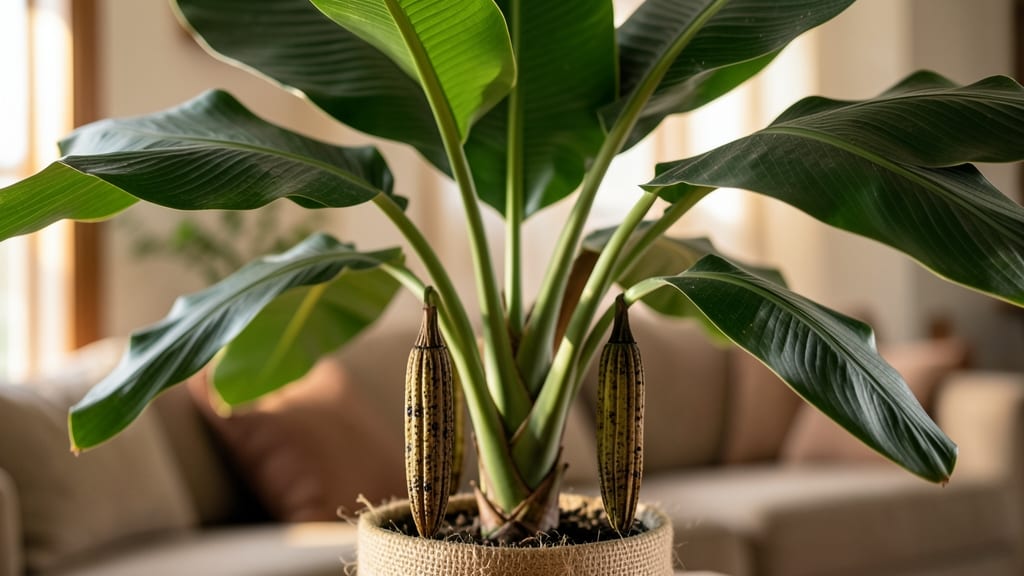
Harvesting Mexican bird of paradise seed pods turns your garden’s summer cleanup into a zero-waste goldmine. 🌿 Those papery pods crack open to reveal tiny black seeds that, with the right care, will sprout into bold, tropical-looking plants—without spending a dime on nursery stock.
The key is timing: pods ripen in late summer, turning from green to brown and splitting on their own when ready.
You’ll need just a few simple tools—a pair of pruners, a bowl, and a warm, dry spot to process them. After collecting the pods, break them open to release the seeds, then spread them on a tray to dry for a week.
Store the dried seeds in an envelope until planting season, when they’ll be ready to start their journey from seed to lush foliage.
Germination isn’t instant—these seeds often need a cold treatment to break dormancy, but with patience, you’ll see sprouts in 4-6 weeks. Plant them in well-draining soil under bright, indirect light, and keep the soil lightly moist.
The payoff? A striking, low-maintenance plant that thrives in heat and humidity, just like its namesake.
Even if some seeds don’t sprout, the process is worth it for the satisfaction of growing something from scratch. Plus, you’ll have extra plants to share or swap with fellow gardeners—because who doesn’t love a good zero-waste win? Let’s get those seeds ready for next season!
📚 In This Guide
- What you need
- Instructions
- Tips and common mistakes
- Wrapping up and next steps
What you need
- ● Mature Mexican Bird of Paradise seed pods – Harvest when they’re dry and brown (typically late fall/winter). Aim for 10–20 pods for a good seed yield.
- ● Pruning shears or sharp scissors – For cleanly snipping pods from the plant (avoid tugging to protect the stem).
- ● Brown paper bags or breathable fabric sacks – 2–3 medium-sized bags (12” x 15”) to collect pods and allow airflow.
- ● Newspaper or cardboard – For drying pods indoors (cover a flat surface).
- ● Small wooden sticks or toothpicks – To prop open stubbornly closed pods (if needed).
- ● Glove – Protects hands from thorns (these plants are spiky!).
- ● Seed-saving envelope or airtight container – For long-term storage (label with the date!).
- ● Fine-mesh sieve – To separate seeds from chaff after drying.
- ● Hydrometer or water – For float test (discard hollow/empty seeds).
- ● Notebook & pen – To log harvest details (plant location, date, etc.).
- ● Access to a mature Mexican Bird of Paradise plant (or a trusted source for pods).
- ● Dry, well-ventilated space for 1–2 weeks of drying time (outdoors or indoors).
- ● Patience! Seed pods take time to fully mature and dry.
How to harvest Mexican Bird of Paradise seed pods without the mess
Here's my foolproof method for collecting seed pods cleanly—no sticky fingers or scattered seeds.
🌿 Step 1: Identify Ripe Seed Pods
Wait until the seed pods turn deep brown and begin to split open naturally. These pods will feel papery and dry to the touch, unlike the green, firm pods that are still developing. I run my fingers along the pod—if it crumbles slightly when pressed, it's ready. Harvesting too early means immature seeds that won't germinate.
Use clean, sharp pruning shears to snip the entire pod from the stem. Cut at a 45-degree angle about ½ inch below the pod to prevent water from pooling on the cut. This simple technique keeps your plant healthy and makes future harvests easier. Avoid pulling pods—this can damage the plant's delicate stems.
🪴 Step 2: Prepare for Seed Extraction
Spread a large sheet of newspaper or cardboard on a flat surface. Lay the harvested pods on the paper—this keeps seeds contained and makes cleanup a breeze. I like to work outside or over a trash bag to catch any stray seeds that might escape. The paper also protects your work surface from the sticky resin that sometimes coats the pods.
Gently squeeze each pod between your palms to release the seeds. Don't crush them—just apply firm, even pressure until the pod splits open. You'll see black, shiny seeds surrounded by a fine, powdery material. This powder is normal and helps with natural seed dispersal, but it can be messy, so keep a small brush handy to sweep up any spills.
💧 Step 3: Clean and Dry the Seeds
Transfer the seeds and powder to a fine-mesh strainer or sieve. Rinse them under lukewarm water to remove the powdery residue. Shake the strainer gently to ensure all the powder is washed away—this prevents mold during storage. Let the seeds air-dry completely on a paper towel or clean kitchen towel for 24-48 hours in a warm, dry place with good airflow.
Stir the seeds occasionally to speed up drying. You'll know they're ready when they feel light and brittle to the touch. Store them in a small, airtight container like a glass jar or paper envelope in a cool, dark place. Properly dried seeds stay viable for 2-3 years, so label the container with the harvest date to keep track.
⏰ Step 4: Plant or Store Your Seeds
For immediate planting, sow the seeds in well-draining potting mix at a depth of ¼ inch. Keep the soil consistently moist but not soggy, and place the container in a bright, indirect light area. Germination can take 4-8 weeks, so be patient. If you're not ready to plant, store the seeds as described above until you are.
Here's the thing—Mexican bird of paradise seeds are slow to germinate and often need a warmth boost. I place stored seeds in the fridge for 4-6 weeks before planting to simulate winter conditions. This trick mimics natural dormancy and can double your germination rate. Just make sure to label the container clearly so you don't forget they're there!
Tips & tricks for harvesting Mexican Bird of Paradise seed pods
These little tricks will turn your seed harvesting from a messy chore into a clean, rewarding process.
Timing is Everything: Harvest pods only when they're fully mature—deep brown and papery. I test by gently pressing the pod between my fingers; if it crumbles slightly, it's ready. Harvesting too early means immature seeds that won't germinate, while waiting too long risks the pods splitting open naturally and scattering seeds everywhere. This is the single most important step for a successful harvest.
Cutting Technique: That 45-degree angle cut below the pod isn't just for looks—it prevents water from pooling on the stem, which could cause rot. Use clean, sharp pruning shears to make precise cuts without crushing the delicate stems. I always sterilize my shears with rubbing alcohol between cuts to prevent spreading any potential plant diseases.
Seed Extraction Strategy: When squeezing pods to release seeds, think "gentle pressure" not "brute force." You're not trying to crush the seeds—just coax them out. I find using a small rolling pin to gently tap the pods first helps loosen the seeds before hand-squeezing. This reduces the mess and protects the seed quality. Keep a small brush handy for any stray seeds that escape—they're easy to miss on surfaces!
Drying Wisdom: The 24-48 hour drying time is crucial for seed viability. I place my seeds on a screen or mesh tray to allow airflow from all sides, rather than just on a towel. Stir them every few hours to ensure even drying, and watch for that "light and brittle" texture. Properly dried seeds will store well for years, while under-dried seeds risk mold and over-dried ones lose viability.
Pro Tips for Mexican Bird Of Paradise Seed Pods
- These little tricks will turn your seed harvesting from a messy chore into a clean, rewarding process.
- Timing is Everything: Harvest pods only when they're fully mature—deep brown and papery.
- Cutting Technique: That 45-degree angle cut below the pod isn't just for looks—it prevents water from pooling on the stem, which could cause rot.
Frequently asked questions
When is the best time to harvest Mexican Bird of Paradise seed pods?
Harvest seed pods when they turn tan to light brown and start splitting open naturally (usually late summer to early fall). Avoid harvesting if pods are still green—the seeds won’t be mature enough. Wait until at least 80% of pods on the plant show these signs for the best yield!
How do I know if the seeds inside are viable?
Viable seeds should be plump, firm, and dark brown to black. Run a quick test: Drop a few in a glass of water—viable seeds sink, while hollow or shriveled ones float. Store them in a cool, dry place (like a paper envelope) for up to 2 years.
Can I plant the seeds directly from the pod, or do they need prep?
No prep needed! Simply remove seeds from the pod, plant them ½ inch deep in well-draining soil, and keep them moist. For faster germination, soak seeds in lukewarm water for 24 hours before planting. Pro tip: These seeds love warmth—cover seedlings with plastic wrap until sprouts appear (usually in 2–4 weeks).
What should I do if my seed pods are attracting pests (like rodents or insects)?
Pests love the high-fat seeds inside! To deter them, harvest pods promptly and store seeds in airtight containers (like glass jars). For outdoor plants, prune lower pods to reduce ground-level access. If pests persist, try neem oil spray on the plant itself.
Are there alternatives if my Mexican Bird of Paradise isn’t producing seed pods?
If your plant isn’t flowering or setting pods, check these fixes:
- Light: Ensure it gets 6+ hours of full sun daily.
- Soil: Amend with sandy, well-draining mix (they hate soggy roots!).
- Fertilizer: Use a low-nitrogen, high-phosphorus feed (like 5-10-10) in spring to encourage blooms.
- Patience: Mature plants (3+ years old) produce more pods.
Still no luck? Try propagating from stem cuttings instead!
Wrapping up and next steps
Harvesting Mexican Bird of Paradise seed pods is a simple yet rewarding way to embrace zero-waste gardening! With just a few tools and a little patience, you can collect seeds effortlessly while adding a touch of tropical beauty to your landscape.
Whether you're a seasoned gardener or a beginner, this process is perfect for anyone looking to grow their own and reduce waste.
Ready to dive in? Start by identifying mature pods—then grab your gloves and scissors, and get ready to transform your garden into a seed-saving haven! 🌱✨