
Size
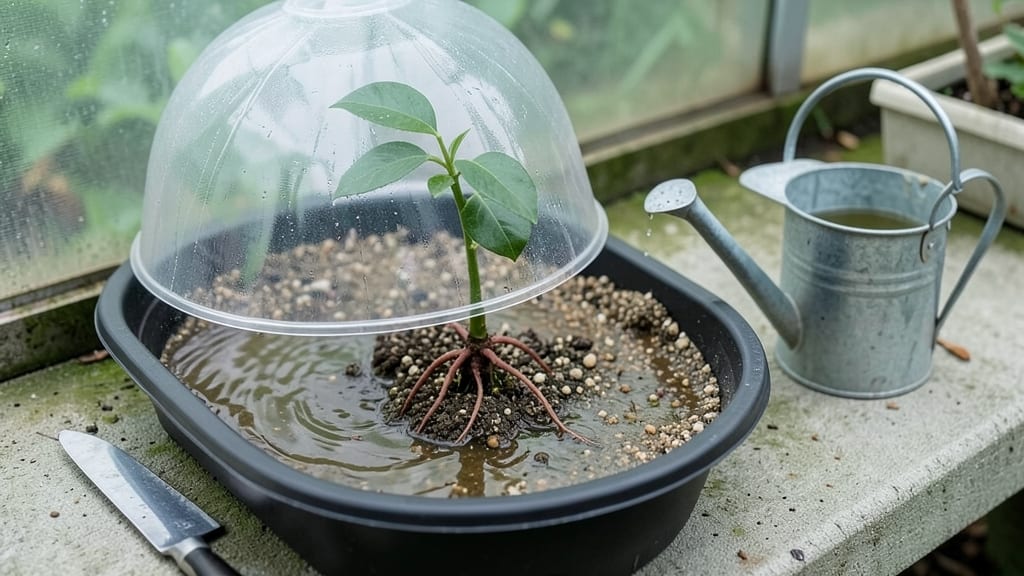
Growing mangrove seeds in your garden brings coastal resilience to your yard—even if you're not near the ocean. 🌱 I’ve learned that these tough plants thrive with the right balance of moisture, soil, and patience, and they’re surprisingly adaptable beyond their natural habitat.
The key is mimicking their wetland roots: use a mix of 50% peat moss and 50% perlite to keep moisture consistent while allowing drainage. Plant seeds just below the surface in shallow trays, keeping them in bright, indirect light.
Most varieties need warmth (75-85°F) and high humidity to germinate—think of a greenhouse or a covered propagator.
Within 4-8 weeks, you’ll see those first true leaves, a sign your seedlings are ready for transplanting. They’ll handle some salinity but prefer fresh water, making them perfect for rain gardens or areas with poor drainage.
The real magic? These plants stabilize soil, filter water, and attract wildlife—all while looking stunning.
Even in non-coastal areas, mangroves adapt to USDA zones 9-11 with proper care. Start small with Red Mangrove (Rhizophora mangle) or Black Mangrove (Avicennia germinans)—they’re the most forgiving for beginners. Just avoid freezing temps, and you’ll have a resilient, low-maintenance addition to your landscape.
📚 In This Guide
- What you need
- Instructions
- Tips and common mistakes
- Wrapping up and next steps
What you need
- ● Mangrove seeds: 10–20 viable propagules (collect locally or purchase from a reputable supplier; Rhizophora mangle, Avicennia germinans, or Laguncularia racemosa are great choices).
- ○ Germination trays or seedling pots: 2–4 shallow trays (4–6 inches deep) or small pots (3–4 inches in diameter) with drainage holes. (Optional: Biodegradable peat pots for easy transplantation.)
- ● Potting mix: 50% coconut coir or peat moss (for moisture retention).
- ● 30% perlite or coarse sand (for drainage).
- ● 20% compost or worm castings (for nutrients).
- ● Watering can or spray bottle: With a fine mist nozzle for gentle hydration.
- ● Humidity dome or plastic wrap: To maintain moisture during germination.
- ● pH testing kit: Ideal pH range for mangroves: 5.0–7.5 (adjust with lime or sulfur if needed).
- ● Shade cloth (30–50% coverage): To protect seedlings from direct sunlight until they’re established.
- ● Location: Coastal area with brackish or saltwater access (mangroves thrive in saline conditions!).
- ● Temperature: Warmth is key! Aim for 75–85°F (24–29°C) during germination.
- ● Light: Bright, indirect light (avoid harsh midday sun until seedlings are sturdy).
- ● Salinity tolerance: Gradually acclimate seedlings to saltwater over 4–6 weeks.
- ● Seedling heat mat: For faster germination in cooler climates.
- ● Fertilizer: Balanced liquid fertilizer (e.g., 10-10-10) diluted to ½ strength once seedlings sprout.
- ● Labeling tags: To track seed types and planting dates.
- ● Water quality test kit: To monitor salinity levels in transplanting water.
Step-by-step instructions for germinating mangrove seeds indoors
Here's how to coax mangrove seeds into vigorous seedlings—ready for coastal restoration or resilient landscaping.
🌱 Step 1: Select and Prepare Viable Seeds
Collect only full, plump mangrove seeds (typically red mangrove Rhizophora mangle or black mangrove Avicennia germinans). Avoid seeds with cracks or mold. Rinse them gently under lukewarm water to remove debris, then soak in fresh water for 24 hours—this softens the fibrous outer coating and kickstarts germination.
After soaking, place seeds in a shallow tray and cover with moistened sphagnum moss (or a damp paper towel if moss isn’t available). The goal is to keep them consistently damp, not soggy. You’ll see radicles (tiny white roots) emerge within 3–7 days—this is your cue to move to the next step.
💧 Step 2: Create a Controlled Germination Environment
Transfer the sprouted seeds to small pots (3–4 inches deep) filled with a 50/50 mix of peat moss and perlite—this mimics the airy, water-retentive coastal soils they thrive in. Plant each seed 1 inch deep, leaving the prop root (the long aerial root) exposed above soil level. This root will anchor the seedling as it grows.
Place the pots in a warm, humid spot (ideally 75–85°F) with bright, indirect light. A seedling heat mat speeds up growth, but avoid direct sunlight—it can scorch tender seedlings. Mist the soil daily to maintain even moisture, but never let water pool. You’ll notice first true leaves (small, glossy, and oval-shaped) in 2–4 weeks.
☀️ Step 3: Gradually Acclimate to Coastal Conditions
Once seedlings reach 4–6 inches tall with 3–4 sets of leaves, introduce them to direct sunlight for 2–3 hours daily, increasing exposure by 1 hour each week. Mangroves need full sun but can’t handle sudden shifts—this slow acclimation prevents leaf scorch. If growing outdoors, place them in a sheltered spot near water (they thrive in saline or brackish conditions).
Begin weekly fertilizing with a diluted seaweed-based fertilizer (½-strength) to mimic nutrient-rich coastal soils. Avoid freshwater fertilizers—they can harm salt-tolerant seedlings. Watch for new root growth along the prop root; this signals the plant is adapting well. After 8–12 weeks, seedlings are ready for outplanting in coastal restoration sites or salt-tolerant gardens.
✂️ Step 4: Prepare for Transplanting (When Ready)
Hardening off begins 2 weeks before transplanting. Move seedlings outdoors for full sun exposure and introduce light coastal winds (tying them to stakes helps). Water with brackish water (mix 1 part saltwater + 3 parts freshwater) to simulate natural conditions. The prop root will thicken and branch—this is a strong sign of resilience.
Transplant on an overcast day or late afternoon to reduce stress. Dig holes twice as wide as the root ball and 1 inch deeper to encourage root spread. Bury the prop root horizontally in the soil—it will grow downward and anchor the plant. Water deeply after planting, and mulch with crushed oyster shell to maintain soil salinity and deter pests.
Tips & tricks for mangrove seed germination success
These insider strategies will help you navigate the delicate balance of moisture, warmth, and patience required to grow resilient mangrove seedlings.
Soaking Strategy: The 24-hour soak is non-negotiable—this critical step softens the tough seed coat and jumpstarts germination. Use lukewarm water (not hot) to prevent seed shock, and change the water halfway through if it becomes cloudy. I've found that adding a pinch of sea salt (about 1 teaspoon per gallon) mimics coastal conditions and can slightly improve germination rates for salt-tolerant varieties.
Radicle Recognition: When you spot those first radicles (tiny white roots) between days 3-7, resist the urge to transplant immediately. Let them grow another 24 hours in the damp moss environment—the longer roots they develop before potting, the stronger your seedlings will be. I've seen seedlings with radicles just 1/4-inch long struggle more during transplanting than those with 1/2-inch roots.
Light Management: The bright, indirect light requirement in Step 2 is crucial—direct sunlight at this stage causes leaf scorch. Place your seedlings near an east-facing window where they'll receive gentle morning light, or use a grow light on a timer for 12 hours daily. I've had success with a simple LED bulb positioned 12 inches above the pots, adjusted as seedlings grow taller.
Transplant Timing: The 8-12 week readiness window is flexible, but don't wait until the upper limit if your seedlings show signs of outgrowing their pots. Look for roots circling the bottom or leaves touching neighboring seedlings—these are clear signals it's time to move them to larger containers. I've transplanted at 7 weeks with excellent results when I noticed these growth patterns.
Pro Tips for Mangrove Seed Grow A Garden
- These insider strategies will help you navigate the delicate balance of moisture, warmth, and patience required to gr...
- Soaking Strategy: The 24-hour soak is non-negotiable—this critical step softens the tough seed coat and jumpstarts ge...
- Radicle Recognition: When you spot those first radicles (tiny white roots) between days 3-7, resist the urge to trans...
Frequently asked questions
Got questions about growing mangrove seeds? You’re not alone—this unique coastal plant has its quirks! Below, we’ve rounded up the most common queries to help you navigate the process like a pro.
How long does it take for mangrove seeds to germinate?
Germination can take anywhere from 2 to 6 weeks, depending on species, water temperature, and salinity. Rhizophora (red mangroves) often sprout faster in warm water (75–85°F), while Avicennia (black mangroves) may take longer. Patience is key—keep seeds moist and in indirect light during this time!
Do I need a special soil mix for mangrove seeds?
Mangroves thrive in sandy, well-draining soil with low organic matter—think coastal sediment or a mix of potting soil and perlite (70:30 ratio). Avoid heavy clay or compost-heavy blends, as they can suffocate roots. For propagation, a shallow tray with 1–2 inches of moist sand works well until seedlings develop.
Can I grow mangrove seeds indoors? What about in colder climates?
Yes! Start seeds indoors in a humid, warm environment (70°F+). Use a heat mat or place the tray near a sunny window. Once seedlings are 4–6 inches tall, transplant them to outdoor coastal ponds, brackish wetlands, or large containers (never freeze-prone areas). Mangroves cannot survive frost—hardiness zones 9–11 only!
What should I do if my mangrove seeds rot or mold?
Rotting or mold (fuzzy white/green growth) usually means too much moisture or poor drainage. Act fast:
- Remove affected seeds/soil and discard.
- Rinse remaining seeds with hydrogen peroxide (3%) for 5 mins to sterilize.
- Repot in fresh, dry sand and reduce watering until roots firm up.
- Ensure containers have drainage holes!
Are there easier alternatives to mangrove seeds for coastal gardens?
If mangroves seem too finicky, try these low-maintenance coastal plants:
- Salt-tolerant grasses: Spartina or Panicum (drought-resistant).
- Sea oats (Uniola paniculata) – stabilizes shorelines.
- Black mangrove cuttings (faster than seeds, but still salt-loving).
- Native shrubs: Iva frutescens (marsh elder) or Baccharis halimifolia (groundsel tree).
These thrive in similar conditions but with less fuss!
Wrapping up and next steps
Growing a mangrove garden isn’t just about nurturing plants—it’s about fostering coastal resilience and connecting with nature’s power. With the right seeds, patience, and a few simple steps, you’ve got everything you need to turn your space into a thriving ecosystem. 🌱
Ready to take the next step? Start small—plant a few seeds in your backyard, a community garden, or even a container. Watch them grow, and soon, you’ll be part of a movement that protects our shores one seed at a time.
Your mangrove garden awaits—let’s grow it together! 🌊💚