
Lawn
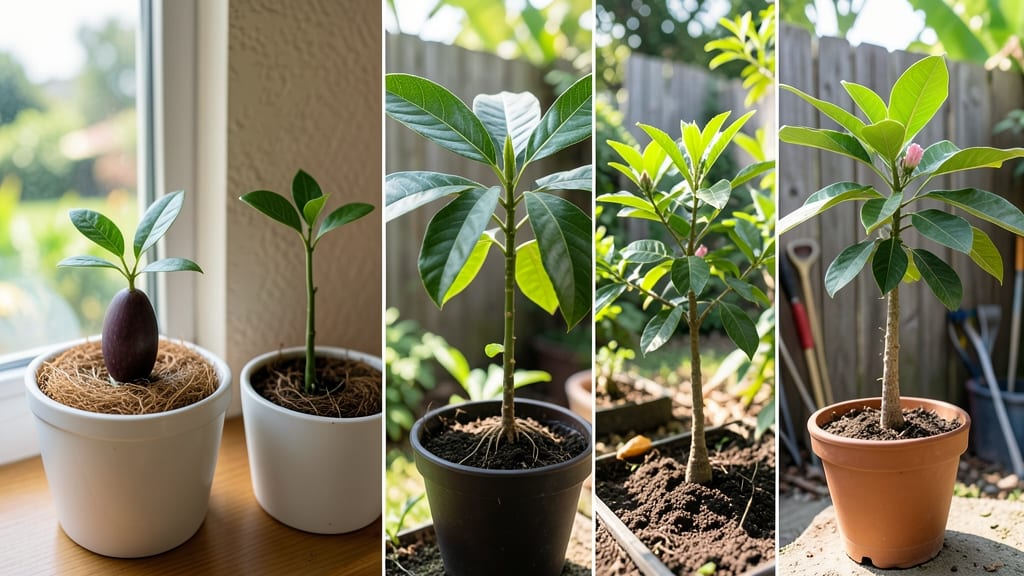
Watching the mango seed growth stages unfold is like nurturing a tiny miracle—if you nail the first 90 days. 🌱 The journey begins with that plump, brown seed, which holds the potential for a towering tropical tree, but only if you understand each critical growth stage.
I’ve turned dozens of seeds into thriving saplings, and the secret isn’t luck—it’s knowing exactly what your seedling needs at every turn, from the first crack in its shell to the day it stands tall enough to transplant.
Those first few weeks are the most delicate: the seed needs warmth (75–85°F) and moisture to break dormancy, but too much water drowns it before it even sprouts.
You’ll see the first signs of life in 7–21 days—a tiny white root pushing through the seed coat, followed by a shoot that fights its way upward. This is where most beginners lose their seedlings: rushing the process or mistaking wilting for failure when it’s just adjusting to light.
By month three, your sapling will be 6–12 inches tall with real leaves, not just the first few seed leaves. This is when you can start hardening it off for outdoor life—if you’re in a warm climate—by gradually introducing it to sunlight.
The roots will be shallow but eager to explore, so keep the soil light and airy (a mix of potting soil and perlite works wonders).
Here’s the kicker: 90% of mango seeds never make it past the first month, but if you follow these stages, yours will. The payoff? A tree that could one day bear fruit—if you’re patient enough to wait 3–5 years. Let’s get those seeds sprouting right.
📚 In This Guide
- What you need
- Instructions
- Tips and common mistakes
- Wrapping up and next steps
What you need
- ● Mango seeds: 3–5 fresh, plump seeds (harvested from organic, ripe mangoes for best results).
- ● Well-draining potting mix: 1 bag (5–10 gallons) of a blend like cactus/succulent mix or peat-based soil with perlite (50/50 ratio).
- ○ Small pots or containers: 3–5 (4–6 inches in diameter) with drainage holes. Optional: Seedling trays for organized growth.
- ● Watering can or spray bottle: For gentle hydration (avoid oversaturating!).
- ● Clear plastic wrap or humidity dome: To retain moisture during germination.
- ● Sunlight access: A sunny windowsill (south-facing) or grow light (12–16 hours/day).
- ● Scissors or knife: For carefully slicing seeds (if needed).
- ● Fertilizer: Balanced liquid fertilizer (e.g., 10-10-10) or organic compost tea (diluted to ½ strength).
- ○ Thermometer (optional): To monitor soil temperature (ideal: 75–85°F for germination).
- ● Labeling tags: To track seed varieties and planting dates.
- ● Pest control: Neem oil or insecticidal soap (preventative measure for aphids/fungus).
- ○ Larger nursery pot (optional): 1–2 gallon pot for transplanting after 3–4 weeks.
Step-by-step guide to mango seed growth stages
Watch your mango seed transform from a tiny sprout into a sturdy sapling in just three months.
🌱 Step 1: Prepare the Seed for Germination
Start with a fresh, plump mango seed—older seeds lose viability. Scrub off any remaining fruit flesh with a damp paper towel, then let it dry completely for 24 hours. This prevents mold while maintaining moisture for germination. Place the seed between two damp paper towels, fold them over, and store in a sealed plastic bag. Keep it in a warm spot (75-85°F) until you see a tiny root emerge—usually within 7-14 days.
Here's the thing—don't rush the process. Check the seed daily by unfastening the bag and misting the towels if they feel dry. You'll know it's ready when the root reaches about ½ inch long. This is your signal to move to soil.
💧 Step 2: Plant the Germinated Seed in Soil
Fill a 4-inch diameter pot with well-draining potting mix (never garden soil—it compacts too much). Make a small hole (½ inch deep) in the center and gently place the seed with the root pointing downward. Cover it lightly with soil, leaving the top half exposed. Press down very lightly to secure it without crushing the delicate root.
Water the soil until it's moist but not soggy—think of a wrung-out sponge. Place the pot in a warm, bright spot (65-75°F) with indirect light for the first week. Direct sun now will scorch the tiny seedling. You'll see the first true leaves appear in 2-3 weeks, signaling healthy growth.
☀️ Step 3: Transition to Stronger Light and Larger Pot
Once the seedling shows 3-4 true leaves (not the initial seed leaves), it's time to upgrade. Move it to a 6-inch pot with fresh potting mix and place it under bright, indirect light for another week. Gradually introduce direct morning sun (2-3 hours daily) over 7-10 days to harden it off. Avoid harsh afternoon sun—it can burn tender leaves.
This is the moment that matters: When the sapling reaches 6-8 inches tall, it's ready for its final pot (10-inch diameter) and full sun exposure. You'll notice new leaves growing faster and the stem thickening—clear signs it's adapting to its permanent environment.
✂️ Step 4: Prune and Maintain Through the 90-Day Window
At the 60-day mark, trim any leggy growth back by ⅓ to encourage bushier development. Use clean, sharp scissors to snip just above a leaf node. This redirects energy to root and stem growth. Water deeply 2-3 times weekly, letting the top 1 inch of soil dry between waterings—overwatering now causes root rot.
By 90 days, your sapling should stand 2-3 feet tall with a sturdy trunk. If it's still leggy, it needs more light. If leaves yellow, it's getting too much water. Adjust accordingly—this is where most growers see mistakes. A healthy sapling has glossy green leaves, a thick stem, and no signs of pests.
Tips & tricks for perfect mango seed growth
Real talk: Growing a mango tree from seed takes patience, but these tricks will help you avoid the most common pitfalls along the way.
Germination Environment: The 75-85°F range is critical during germination—this mimics tropical conditions where mangoes thrive. If your home runs cooler, place the bag near a warm spot like above the fridge or near a heat vent. Too cold slows growth, while too hot can cause mold. I've seen seeds take 21 days instead of 7-14 when kept too cool.
Soil Selection Tip: Never use garden soil! The compacted texture prevents proper drainage, which leads to root rot. Look for potting mixes labeled "well-draining" or designed for seed starting. I add a handful of perlite to my mix for extra aeration—this helps prevent the soggy soil that chokes young roots.
Light Transition Strategy: When moving from indirect to direct morning sun (as specified in Step 3), start with just 1 hour of direct exposure the first day, then gradually increase by 30 minutes daily. This hardening-off process prevents sunburn on tender leaves. I've seen seedlings develop white patches from too much sun too soon—it's a common mistake.
Pruning Precision: At the 60-day mark, when you trim leggy growth back by ⅓, always cut just above a leaf node (the bump where leaves attach). This ensures new growth will sprout from the exact spot. Use clean scissors to avoid introducing bacteria, and never trim more than ⅓ at once—this can shock the plant.
Pro Tips for Mango Seed Growth Stages
- Real talk: Growing a mango tree from seed takes patience, but these tricks will help you avoid the most common pitfalls along the way.
- Germination Environment: The 75-85°F range is critical during germination—this mimics tropical conditions where mangoes thrive.
- Soil Selection Tip: Never use garden soil!
Frequently asked questions
How long does it take for a mango seed to sprout?
A mango seed typically sprouts within 10 to 30 days under ideal conditions (warmth, moisture, and indirect light). Patience is key—some seeds may take up to 60 days if the environment isn’t perfect. Keep the soil consistently moist but not soggy to speed up germination.
Can I speed up the growth of my mango seedling?
Yes! Place your seedling in a warm, sunny spot (like a greenhouse or near a south-facing window) and use well-draining potting mix. Once true leaves appear, transplant it into a larger pot or garden bed. Pro tip: Fertilize lightly with a balanced organic fertilizer every 4-6 weeks to boost growth.
What should I do if my mango seed rots instead of sprouting?
Seed rot usually happens from overwatering or poor drainage. If you notice mold or a foul smell, remove the seed and start fresh with a new one. Use a light, airy potting mix (like coconut coir or perlite-heavy soil) and water only when the top inch feels dry.
How tall can a mango seedling grow in its first year?
With proper care, a healthy mango seedling can reach 3 to 6 feet tall in its first year, though growth varies by variety and climate. In tropical regions, expect faster growth, while cooler climates may slow it down. Prune leggy stems to encourage bushier, stronger growth.
Will my seed-grown mango tree produce fruit?
Yes, but it may take 3 to 5 years (or longer) for a seedling to bear fruit. Seed-grown trees often produce smaller, less predictable fruit than grafted varieties. If you want reliable, high-quality mangoes, consider grafting a known variety onto your seedling later.
Wrapping up and next steps
Watching a mango seed transform into a thriving sapling in just 90 days is a rewarding journey! From sprouting to developing true leaves, each stage offers a glimpse into nature’s incredible growth cycle.
Whether you’re a gardening enthusiast or a curious beginner, your patience and care have set the foundation for a future mango tree—keep nurturing it, and you’ll soon enjoy the fruits of your labor! 🌱
Ready to take the next step? Expand your garden by planting more mango seeds or explore companion plants to create a lush, tropical oasis. Happy growing! 🌿