
Size
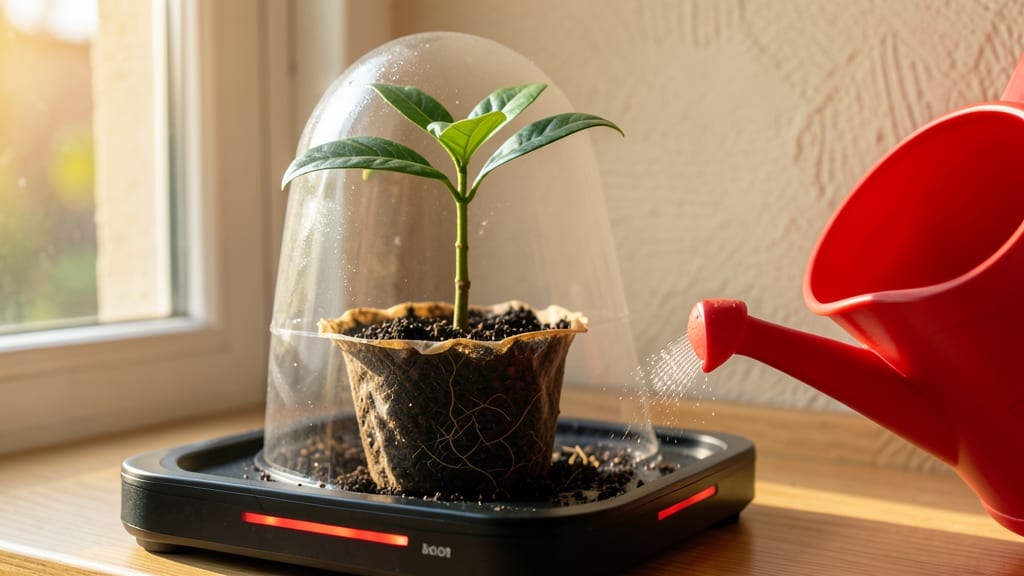
Growing a mango seed in a garden is the ultimate tropical adventure—even if you live in zone 5. 🌱 I’ve turned store-bought mango pits into thriving saplings that now tower over my patio, and the process is simpler than you’d think.
The key is patience: those first sprouts might take 6-12 weeks to crack through the shell, but once they do, you’re hooked on watching a fruit tree grow from scratch.
You’ll need just three things: a mango pit (the bigger, the better), a small pot with drainage, and a warm spot with bright, indirect light. Skip the fancy soil—regular potting mix works, but keep it moist (not soggy) while waiting for germination.
Tropical climates? Plant it outside after the last frost. Cold winters? Keep it in a sunny window or under grow lights until it’s tall enough to overwinter indoors.
By month 6, you’ll have a 3-6 foot sapling with glossy leaves, ready to transplant into a larger container or the ground.
The real magic happens when you start seeing those first flower buds—though fruiting takes 3-5 years (and even then, seed-grown trees may not produce the same quality as grafted ones). Still, the journey is worth it for the sheer joy of growing something edible from a grocery store pit.
Here’s the secret weapon for non-tropical zones: treat your mango tree like a houseplant in winter. Move it near a south-facing window, reduce watering, and watch it bounce back come spring. With the right care, your seedling could outlive you—and that’s a legacy worth growing.
📚 In This Guide
- What you need
- Instructions
- Tips and common mistakes
- Wrapping up and next steps
What you need
- ● Mango seeds: 1–3 fresh, viable seeds (harvested from ripe, organic mangoes for best results).
- ○ Small pots or containers: 2–3 (4–6 inches in diameter) with drainage holes. Optional: Seed-starting trays for organized growth.
- ● Well-draining potting mix: 2–3 cups of a lightweight blend (e.g., 50% coconut coir, 30% perlite, 20% compost).
- ● Plastic wrap or humidity dome: To create a mini greenhouse effect.
- ● Spray bottle: For gentle watering (avoid over-saturating the soil).
- ● Grow lights or sunny windowsill: A warm, bright spot (60–80°F) with indirect light.
- ● Scissors or knife: For carefully removing the seed from the pit.
- ● Trowel or spoon: To plant seeds without damaging them.
- ○ Fertilizer (optional): A balanced, water-soluble fertilizer (e.g., 10-10-10) for seedlings after 4–6 weeks.
- ○ Mulch or pebbles (optional): To retain moisture and regulate temperature.
- ● Larger pot or garden bed (future step): 15+ gallons for transplanting once the seedling is 1–2 feet tall.
Step-by-step instructions for germinating and growing a mango tree from seed
Here's how to turn that grocery store mango into a thriving young tree.
🌱 Step 1: Extract and Prepare the Seed
Save the largest, plumpest mango seed you can find—the bigger the seed, the better your chances. Rinse it thoroughly under running water to remove all fruit residue, then let it dry completely for 24 hours. This prevents mold and rot during germination.
I like to soak the seed in lukewarm water for 2-3 days to soften the hard outer shell. Change the water daily to keep it fresh. You'll know it's ready when the seed feels slightly soft when pressed gently between your fingers. This soaking mimics natural rainfall and helps break dormancy.
💧 Step 2: Create a Germination Chamber
Fill a small container with well-draining potting mix—I use a 50/50 blend of potting soil and perlite. Moisten it until damp but not soggy, then make a small hole about 1 inch deep in the center. Place the seed horizontally in the hole with the pointed end facing downward.
Cover the container with clear plastic wrap or a humidity dome to create a greenhouse effect. This keeps the soil consistently moist and warm, which mango seeds crave. Place the container in a warm spot—75-85°F is ideal—like on top of your refrigerator or near a sunny window. Check daily for condensation on the plastic; if it's dry, mist the soil lightly.
⏰ Step 3: Wait for Sprouting and Transplant
Germination can take anywhere from 2-6 weeks, so patience is key. You'll see the first sign when a small white root appears from the bottom of the seed. Once the seedling reaches about 4-6 inches tall and has a few true leaves (not the initial seed leaves), it's ready to move.
Gently remove the seedling from its germination container, being careful not to damage the delicate roots. Transfer it to a 6-inch pot filled with fresh potting mix. Bury the seedling up to its first set of true leaves to encourage stability. Place it in bright, indirect light for the first week to help it adjust.
☀️ Step 4: Establish Growth Conditions
Mango trees love warmth and sunlight, so move your young tree to a spot with 6+ hours of direct sunlight daily. If you're growing indoors, a south-facing window is best. Outdoor growers should wait until all danger of frost has passed—mango trees are tropical and won't survive cold temperatures.
Water the soil when the top 1-2 inches feel dry to the touch. Avoid letting the soil stay soggy, as mango trees are susceptible to root rot. Fertilize lightly with a balanced, water-soluble fertilizer every 2 months during the growing season to encourage strong, healthy growth.
🌿 Step 5: Prune and Train for Strength
As your mango tree grows, focus on shaping it into a strong, sturdy trunk. When it reaches about 12-18 inches tall, pinch off the top set of leaves to encourage branching. This helps create a bushier, more stable tree that can support fruit later on.
Prune any leggy or weak growth regularly to keep the tree compact and encourage new, healthy shoots. You'll know you're doing it right when you see multiple branches forming along the main stem. This is the foundation for a fruit-bearing tree in the future—though remember, seed-grown mangoes may not produce fruit for 5-10 years or ever, depending on the variety.
Tips & tricks for germinating and growing a mango tree from seed
Here's what nobody tells you about turning that grocery store mango into a thriving tree.
Seed Selection: Don't just grab any seed—pick the largest, plumpest one you can find. I've tried smaller seeds, and they often fail to germinate. The bigger the seed, the better the energy reserves it has to support early growth. Confession: I skipped this step for years and wondered why so many seeds never sprouted.
Soaking Strategy: The 2-3 days of soaking in lukewarm water is crucial—this breaks the seed's natural dormancy. Change the water daily to prevent bacteria buildup. Here's the thing: I learned this the hard way after ruining three batches with stagnant water. You'll know it's ready when the seed feels slightly soft between your fingers, like a ripe avocado.
Germination Chamber: That 75-85°F range is non-negotiable for successful germination. If your home is cooler, place the container on top of your refrigerator or near a sunny window. I use a clear plastic wrap to trap moisture, but watch for condensation—mist lightly if it dries out. The greenhouse effect is what makes the difference between success and failure.
Transplant Timing: Wait until your seedling reaches 4-6 inches tall with true leaves before transplanting. Those initial seed leaves aren't strong enough to support growth. I've made the mistake of moving seedlings too soon, and they never recovered. Be patient—this is where most beginners go wrong.
Pro Tips for Mango Seed Grow A Garden
- Here's what nobody tells you about turning that grocery store mango into a thriving tree.
- Seed Selection: Don't just grab any seed—pick the largest, plumpest one you can find. I've tried smaller seeds, and t...
- Soaking Strategy: The 2-3 days of soaking in lukewarm water is crucial—this breaks the seed's natural dormancy. Chang...
Frequently asked questions
Got questions about growing a mango tree from seed?
Here are answers to the most common ones—so you can skip the guesswork and focus on nurturing your future fruit tree!
How long does it take for a mango seed to sprout?
A mango seed typically sprouts in 1 to 3 weeks if kept consistently moist and warm (around 70–90°F). Patience is key—some seeds take longer, especially if stored improperly. Keep the soil damp (not soggy) and avoid moving the pot until you see tiny green shoots!
When will my mango seedling produce fruit?
Don’t expect mangoes for 3 to 5 years—or even longer! Seed-grown trees take time to mature, and fruit production depends on climate, care, and variety. Grafted trees (from nurseries) often fruit faster, but the wait is worth it for that first homegrown harvest!
What’s the best temperature for growing a mango tree from seed?
Mango seeds thrive in warmth—ideal germination temps are 70–90°F (21–32°C). If your climate is chilly, start seeds indoors near a sunny window or use a seedling heat mat. Once sprouted, young trees need full sun (6+ hours daily) and protection from frost.
Can I grow a mango tree indoors?
Yes, but with limits! Seedlings can start indoors, but mango trees need plenty of sunlight and space to thrive. Once 1–2 feet tall, transplant outdoors to a large pot (at least 15+ gallons) or garden bed. If indoors long-term, use a grow light and ensure high humidity.
Why did my mango seed rot instead of sprouting?
Overwatering or poor drainage is the #1 culprit! Mango seeds need moisture but not soggy conditions. If the seed feels mushy or smells foul, it’s rotting. Try these fixes:
- Use a well-draining mix (peat + perlite).
- Water only when the top inch is dry.
- Ensure the seed is not buried too deep (1–2 inches max).
Wrapping up and next steps
Growing a mango tree from seed is a rewarding journey that connects you to nature’s sweetest gifts! 🌱 With patience, the right techniques, and a little care, you’ll soon enjoy vibrant leaves, fragrant blossoms, and—if you’re lucky—juicy mangoes of your own.
Start small, stay consistent, and remember: every expert gardener began with a single seed.
Ready to take the next step? Expand your garden by planting more seeds, experimenting with different varieties, or even sharing your newfound knowledge with fellow plant enthusiasts. The world of homegrown fruit is waiting—go nurture that seedling! 🌟