
Lawn
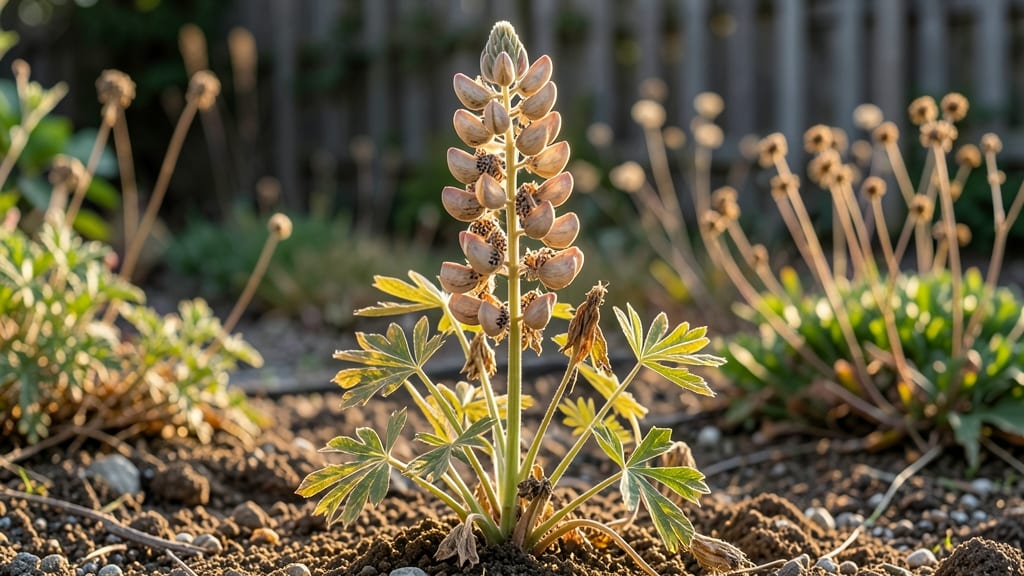
Lupine seed pods hold the secret to growing more of these striking blue-purple blooms without buying seeds. 🌿 I learned the hard way that twisting pods off the plant—while satisfying—often ruins the seeds inside. Instead, there's a simple, zero-waste method that preserves every seed for next year's garden.
The key is patience and timing. Wait until the pods turn from green to tan and start splitting open naturally. Harvest them in dry weather by gently snipping the stems and laying pods on a tray to dry completely.
This method protects seeds from pests and ensures high germination rates for your future lupines.
Once dried, simply shake the pods over a bowl to collect the seeds—no twisting required. Store them in a cool, dry place until spring planting. You'll end up with enough seeds to share with fellow gardeners or even start a small seed swap program in your neighborhood.
This approach works for all lupine varieties, whether you're growing them as lawn alternatives, wildflower meadow plants, or in cottage garden borders. The same method applies to other legumes like peas or beans, making it a versatile skill for any gardener.
📚 In This Guide
- What you need
- Instructions
- Tips and common mistakes
- Wrapping up and next steps
What you need
- ● Lupine plants (mature, with fully dried seed pods—look for brown, crispy pods!).
- ● Pruning shears or sharp scissors (clean, sterilized to avoid spreading disease).
- ● Brown paper bags or breathable fabric sacks (4–6 bags, 12"x18" size, for collecting pods).
- ● Glove (1 pair, preferably gardening gloves to protect from prickly stems).
- ● Labeling tags & permanent marker (for tracking varieties and harvest dates).
- ● Drying tray or screen (a wire mesh or cardboard tray to spread pods for drying).
- ○ Small fan or dehumidifier (optional) (to speed up drying in humid climates).
- ● Seed pod opener (a small tool or even a butter knife for stubborn pods).
- ● Fine-mesh sieve (to separate seeds from chaff easily).
- ● Vacuum sealer & bags (for long-term seed storage).
- ● Camera or phone (to document pod shapes/colors for future reference!).
Step-by-step guide for harvesting lupine seed pods
Here's how I collect seed pods from mature lupines without wasting a single seed or damaging the plant.
🌿 Step 1: Identify Mature Seed Pods
Wait until the lupine seed pods turn a dry, papery brown color—this means they're fully mature and ready for harvesting. The pods will feel crisp to the touch, almost like parchment paper, and open slightly at the seams when gently squeezed. Avoid harvesting green or partially brown pods, as the seeds inside won't be viable.
I like to harvest on a dry, sunny morning when the pods are fully open. This makes it easier to see the seeds inside and prevents any accidental damage from damp conditions. If you're unsure, split one open—you'll see fully formed seeds inside a mature pod.
✂️ Step 2: Cut Pods Directly from the Stem
Use clean, sharp scissors or pruning shears to snip the seed pods directly from the stem. Cut about 1 inch below the pod to avoid damaging the plant's growth. This method keeps the lupine looking tidy and encourages healthy regrowth for future blooms.
Don't pull or twist the pods—they're delicate and can break open prematurely, spilling seeds everywhere. A clean cut ensures you capture every seed without waste. Place the pods in a paper bag or open container to keep them contained while you work.
🪴 Step 3: Dry and Open the Pods
Spread the harvested pods on a clean, dry surface in a well-ventilated area, away from direct sunlight. This prevents mold and ensures even drying. I usually leave them for 3-5 days, turning them occasionally to speed up the process. The pods are ready when they're completely dry and brittle.
Once dry, gently tap the pods against the surface or rub them between your hands to release the seeds. The pods should open easily, revealing the small, hard seeds inside. If some seeds stick, place the pods in a paper bag and shake gently—this helps dislodge any remaining seeds without damaging them.
💧 Step 4: Clean and Store the Seeds
Use a fine-mesh sieve or sifter to separate the seeds from any chaff or debris. This ensures you have clean, viable seeds for planting. I like to do this outdoors on a breezy day—just pour the seeds into the sieve and let the wind carry away the lighter bits.
Store the cleaned seeds in a cool, dry place, like a sealed envelope or small jar. Lupine seeds can remain viable for years if stored properly. Label the container with the date and variety to keep track of your seed collection.
🌱 Step 5: Return to the Garden (Optional)
If you want to encourage more lupine growth, leave a few seed pods on the plant. This allows the lupine to self-seed naturally, creating a beautiful, low-maintenance display for years to come. Just be mindful not to overcrowd the area—lupines can spread quickly!
I often scatter a few seeds in new areas of the garden to expand my lupine population. The more you save and share, the more these striking perennials will thrive in your landscape. Happy harvesting!
Tips & tricks for perfect lupine seed pod harvesting
Here's what I've learned to make lupine seed saving foolproof—no wasted seeds or damaged plants.
Mature Pod Identification: Look for pods that are completely brown and papery, not just partially colored. I test by gently squeezing—mature pods will open slightly at the seams. Green or partially brown pods won't yield viable seeds, so don't be tempted to harvest early. This step is crucial because immature seeds won't germinate properly.
Cutting Technique: Always use clean, sharp scissors and cut about 1 inch below the pod. This prevents tearing the stem and keeps the plant healthy for future growth. I've ruined several harvests by pulling pods—it's tempting to yank them off, but this causes the pods to split open and seeds to scatter. A clean cut ensures you capture every seed without waste.
Drying Strategy: Spread pods on a clean surface in a well-ventilated area, away from direct sunlight. I usually leave them for 3-5 days, turning them occasionally. The key here is patience—rushing the drying process can lead to mold or incomplete seed release. Once completely dry and brittle, they'll open easily when tapped or shaken.
Seed Cleaning Hack: For the cleanest seeds, I take my sieve outdoors on a breezy day. Simply pour the seeds into the sieve and let the wind carry away the chaff. This natural method works better than shaking indoors, where debris tends to stick to the seeds. Store your cleaned seeds in a cool, dry place with a label—this ensures you'll have viable seeds ready whenever you're ready to plant.
Pro Tips for Lupine Seed Pods
- Here's what I've learned to make lupine seed saving foolproof—no wasted seeds or damaged plants.
- Mature Pod Identification: Look for pods that are completely brown and papery, not just partially colored.
- Cutting Technique: Always use clean, sharp scissors and cut about 1 inch below the pod.
Frequently asked questions
Got questions about harvesting lupine seed pods? You’re not alone! Here are some of the most common inquiries—and their simple, zero-waste solutions.
When are lupine seed pods ready for harvest?
Lupine pods are ready when they’re dry, brown, and slightly papery—usually 4–6 weeks after flowering. If they’re still green, wait a few more days. Overripe pods may split open, so act fast! Pro tip: Harvest on a dry morning to avoid mold.
How do I harvest lupine seed pods without twisting them off?
Gently snip pods with clean scissors or pruners just above the stem to avoid damaging the plant. For larger batches, wear gloves—lupine pods can be prickly! Pro tip: Place pods in a paper bag to dry naturally (no heat needed).
Can I save seeds from store-bought lupine plants?
Nope! Store-bought lupines are often hybridized for ornamental traits, so seeds may not grow true. For reliable seed saving, grow open-pollinated varieties from seed or a trusted nursery. Pro tip: Tag plants with their variety names to track genetics.
Why are my lupine pods getting eaten or damaged?
Pests like slugs, beetles, or even deer may target pods. Use row covers early in the season or handpick pests. Pro tip: Plant lupines near dill or fennel to deter pests naturally.
How do I store lupine seeds long-term?
Once pods are fully dry, crack them open to release seeds. Store seeds in a cool, dark, airtight container (like a glass jar with silica packets) for up to 3 years. Pro tip: Label with the harvest date—fresh seeds sprout faster!
Wrapping up and next steps
Lupine seed pods offer a simple, rewarding way to embrace zero-waste gardening while enjoying their unique charm. By mastering twist-free harvesting techniques, you’ll protect your plants, save seeds effortlessly, and even reduce food waste in your lawn ecosystem. 🌱
Ready to give it a try? Start by observing a few lupine plants in your garden—their pods are nature’s gift—and experiment with the methods shared here. Soon, you’ll be sharing your own seed-saving tips with fellow gardeners!