
Lawn
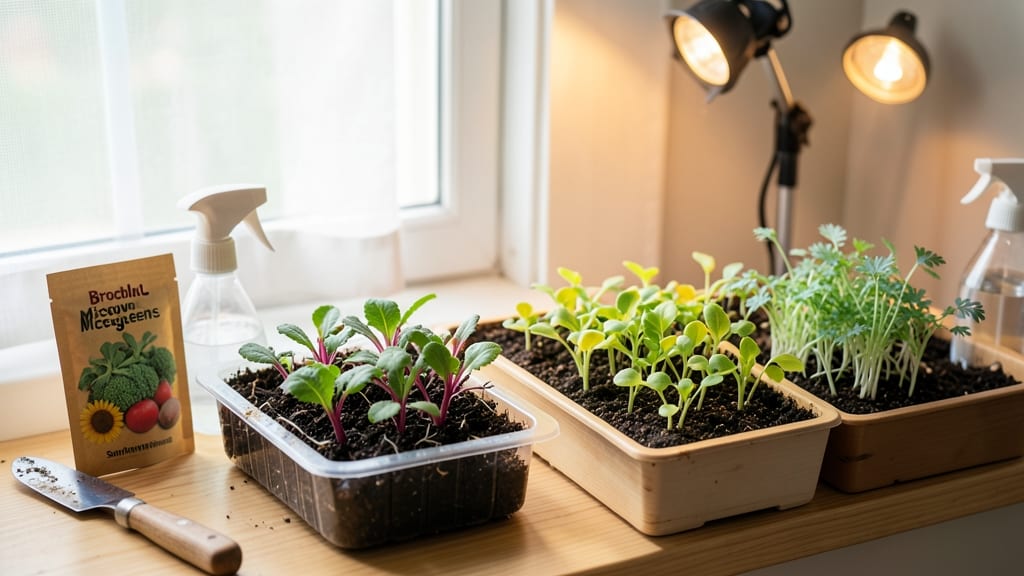
Tiny spaces can grow big harvests—my balcony now produces more herbs than my old backyard garden ever did. 🌿 These little seed gardens prove that you don’t need square footage to grow food, just smart planning and the right plants.
Start with fast-growing, compact varieties like basil, thyme, or cherry tomatoes. A single 12-inch pot can yield pounds of fresh greens or herbs all season long. The key is vertical space—hanging planters, wall pockets, and tiered stands turn walls into growing areas.
You’ll end up with a lush, productive garden that smells like summer and tastes even better. Every morning, I snip fresh cilantro for tacos or basil for pesto, all from containers that fit on my railing. Perfect for renters, small yards, or anyone who wants fresh food without the space.
Let’s turn that balcony into a harvest hub!
📚 In This Guide
- What you need
- Instructions
- Tips and common mistakes
- Wrapping up and next steps
What you need
- ● Containers: 3–5 small pots (6–12 inches deep) or a long, shallow planter (at least 12 inches wide)
- ○ Optional: Self-watering planters or vertical garden pockets for extra space!
- ● Growing Medium: 2–3 bags of high-quality potting mix (avoid garden soil—it compacts too much!)
- ○ Optional: Perlite or vermiculite (1 part per 5 parts soil) for better drainage.
- ● Seeds: Herbs: Basil, parsley, chives, or mint (fast-growing and compact!)
- ● Veggies: Cherry tomatoes, lettuce, or radishes (ideal for small spaces).
- ● Pro Tip: Start with 5–10 seeds per pot (thin to 2–3 strongest seedlings later).
- ● Tools: Small hand trowel or spoon
- ● Spray bottle (for gentle watering)
- ○ Optional: Seed-starting kit (if pre-sprouting indoors).
- ● A sunny spot! Most herbs and veggies need 4–6 hours of sunlight daily.
- ● Access to water (a small watering can or hose with a gentle nozzle works best).
- ● Bonus: A balcony railing or trellis (if growing vining plants like cucumbers or beans).
Step-by-step instructions for creating little seed gardens
Here's how to turn any sunny balcony into a thriving mini garden—no yard needed.
🪴 Step 1: Choose the Right Containers and Layout
Start with containers that have drainage holes—plastic nursery pots, fabric grow bags, or even repurposed buckets work perfectly. I like to use 4-6 inch pots for herbs like basil and parsley, while 8-10 inch pots give veggies like lettuce or radishes enough room to spread. Arrange them on a balcony shelf or railing where they'll get at least 6 hours of sunlight daily.
If space is tight, try a stackable tiered planter—it maximizes vertical growing and keeps everything within arm's reach. Just make sure each level gets equal light exposure. I always check the weight of full containers first; a sudden gust of wind can tip over a heavy pot and spill soil everywhere.
🌱 Step 2: Prepare Soil and Plant Seeds
Fill your containers with a lightweight potting mix (never garden soil—it compacts too much in small pots). Moisten it until it feels like a damp sponge, not soggy. For each pot, sprinkle 2-3 seeds on the surface, then cover them with ¼ inch of soil. Press gently so they make contact with the damp mix—this ensures they won’t dry out before sprouting.
I tap the container sides lightly to settle the soil around the seeds, then water gently with a spray bottle. Overwatering now can wash seeds away, so aim for just enough moisture to keep the soil surface damp. Place the pots in a warm spot (around 70°F) until you see tiny green sprouts—usually within 5-10 days.
☀️ Step 3: Provide Consistent Light and Water
Once seedlings emerge, move them to their sunny balcony spot. If your balcony gets partial shade, focus on shade-tolerant herbs like mint or chives instead of sun-lovers like tomatoes. Rotate the pots a quarter turn every few days so plants grow straight toward the light, not lopsided.
Water when the top inch of soil feels dry—stick your finger in to check. I water in the morning so excess moisture has time to evaporate before evening. Avoid getting leaves wet; water at the base instead. You’ll know you’re doing it right when the soil stays moist but never soggy.
✂️ Step 4: Thin and Maintain for Bountiful Harvests
When seedlings have 2-3 true leaves (not just the initial seed leaves), thin them so only the strongest plant remains in each pot. Snip the extras at the base with scissors—this prevents overcrowding and gives your chosen plant more nutrients. After thinning, give the soil a light drink of water to help roots recover.
Watch for pests like aphids or spider mites, especially on tender herbs. I spray affected leaves with neem oil (mixed as directed) if I spot any tiny bugs. Harvest leaves as needed—pinching back the tips of herbs like basil encourages bushier growth, while lettuce leaves can be plucked from the outer edges.
Tips & tricks for perfect balcony seed gardens
Here's what nobody tells you about turning your balcony into a thriving green space—no green thumb required.
Container Weight Matters: I learned this the hard way after watching a heavy pot of basil topple over in a breeze. Fill your containers only halfway with soil before planting, then add more as roots develop. This keeps your setup stable while giving plants room to grow. For windy balconies, anchor pots with decorative weights or secure them to the railing with plant ties—just don't let them strangle the stems.
The Light Factor: That "at least 6 hours of sunlight" rule is non-negotiable for sun-loving plants like basil and lettuce. If your balcony only gets 4-5 hours, stick to shade-tolerant varieties like mint or chives. Pro tip: Use a small mirror or reflective surface to bounce extra light onto your plants during peak sun hours—it can make a surprising difference for struggling seedlings.
Seedling Survival Tactics: The 5-10 day wait for sprouts can feel like forever, but you can speed things up by keeping your pots in a warm spot (around 70°F) with a clear plastic bag loosely draped over them. This creates a mini greenhouse effect that encourages faster germination. Just remember to remove the bag once sprouts appear to prevent mold. And if you're impatient, try pre-sprouting seeds on a damp paper towel before planting—they'll pop faster and give you a head start.
Watering Wisdom: The "top inch dry" rule is perfect, but here's what nobody mentions: watering in the morning isn't just about evaporation—it's about giving plants a full day to absorb moisture before nighttime cooling. I've found that using a self-watering planter with a moisture meter takes the guesswork out of it completely. For herbs, I also add a handful of perlite to the soil mix to improve drainage and prevent those dreaded soggy roots.
Pro Tips for Little Seed Gardens
- Here's what nobody tells you about turning your balcony into a thriving green space—no green thumb required.
- Container Weight Matters: I learned this the hard way after watching a heavy pot of basil topple over in a breeze.
- The Light Factor: That "at least 6 hours of sunlight" rule is non-negotiable for sun-loving plants like basil and lettuce.
Frequently asked questions
Can I grow anything in a small seed garden?
Focus on compact varieties like cherry tomatoes, bush beans, lettuce, radishes, or herbs (basil, thyme, parsley). These thrive in shallow containers (6+ inches deep) and don’t need sprawling roots. Check the materials section for size recommendations!
How long does it take to see results?
Fast growers like radishes or green onions sprout in 2–3 weeks, while herbs (e.g., cilantro) take 4–6 weeks. Tomatoes and peppers need 8–12 weeks to bear fruit. Start with quick wins to stay motivated—microgreens can be ready in 10 days!
What if my balcony gets too hot/cold?
Use lightweight containers (fabric grow bags breathe better) and move pots to shade if temps hit 90°F+. For cold snaps (below 50°F), wrap pots in bubble wrap or use a mini greenhouse cloche. Drought-tolerant herbs like rosemary or oregano handle heat better than leafy greens.
Do I need soil or can I use hydroponics?
Both work! Soil is easiest for beginners (use a lightweight potting mix with perlite). Hydroponics (like Kratky systems) saves space but requires nutrient solutions and monitoring. Start with soil—it’s forgiving for mistakes. See our soil recommendations here.
How do I keep pests away without chemicals?
Prevent pests with row covers, neem oil, or companion planting (e.g., marigolds repel aphids). For aphids, blast them off with water. Slugs? Use copper tape around pots. Rotate plants weekly to confuse pests—they hate surprises!
What do I do if my seeds don’t sprout?
First, check moisture (keep soil damp, not soggy) and light (most seeds need sunlight to germinate). If using old seeds (1+ years), try fresh ones. Test viability: Soak seeds in water—sinkers are likely good! If all else fails, start over with a new packet.
Wrapping up and next steps
Starting a little seed garden on your balcony is more than just a hobby—it’s a rewarding step toward fresh, homegrown goodness! Whether you’re growing basil for pesto or cherry tomatoes for salads, these tiny spaces pack big flavor and sustainability. 🌱
Ready to take the next step? Start small—pick one or two easy plants, gather your supplies, and let your green thumb grow! Soon, you’ll be harvesting like a pro and maybe even inspiring neighbors to join the movement. Happy gardening!