
Lawn
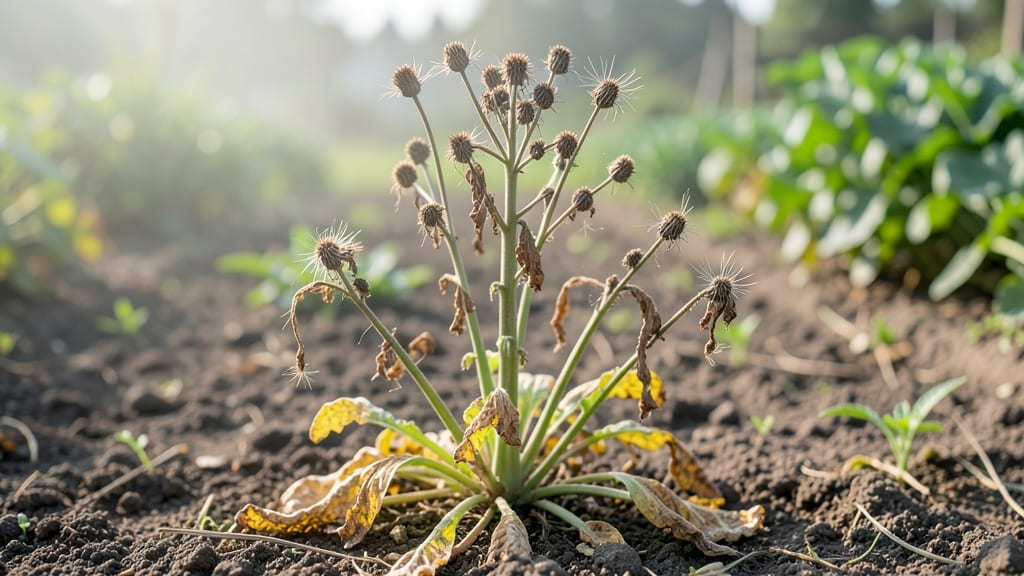
Saving lettuce seed pods means never buying seed again. 🌱 The secret to viable storage lies in letting plants bolt naturally, then harvesting pods before they crack open—here's how to do it without the frustrating twists and wasted seeds.
First, let your healthiest lettuce plants bolt by withholding water when they reach maturity. The flower stalks will rise, then form those familiar seed pods. Harvest them when they turn brown but haven't yet split open—this is your 3-5 day window for perfect seeds.
Once collected, dry pods completely in a cool, dark place for 2 weeks, then gently rub them to release seeds. Store in a sealed container with a moisture absorber—these seeds stay viable for 3-5 years if kept dry and cool.
Watch for early bolting (heat or stress triggers it) and protect plants with shade cloth. The payoff? Fresh, homegrown lettuce every season without the grocery store markup. Now let's get those seeds saved!
📚 In This Guide
- What you need
- Instructions
- Tips and common mistakes
- Wrapping up and next steps
What you need
- ● Lettuce plants: Choose bolt-resistant varieties like Romaine, Butterhead, or Leaf lettuce (avoid loose-leaf types). You’ll need 3–5 mature plants for a good seed yield.
- ● Garden space: Full sun (6+ hours/day) or partial shade (especially in hot climates).
- ● Well-draining soil with a pH of 6.0–7.0 (test kits available at garden centers).
- ● Watering can or hose: Drip irrigation is ideal to avoid wetting foliage (reduces disease risk).
- ● Pruning shears or scissors: Sharp, clean tools for harvesting seed stalks.
- ● Paper bags or breathable mesh bags: 5–10 bags (labeled with plant names) for seed drying.
- ● Twine or rubber bands: To secure bags and prevent seed loss.
- ● Row covers: Protect plants from pests like cabbage moths or aphids.
- ● Seed-saving journal: Track varieties, harvest dates, and germination notes.
- ● Dehydrator or food dryer: Speeds up seed drying if humidity is high.
- ● Fine mesh sieve: For cleaning seeds post-harvest (removes debris).
- ● Air-tight containers: Glass jars with silica gel packets for long-term seed storage.
Step-by-step instructions for harvesting lettuce seed pods
Here's how to collect viable lettuce seeds without the frustrating twist-and-pull method.
🌱 Step 1: Identify and Select Mature Seed Pods
Wait until the lettuce plants bolt—when tall flower stalks emerge—and watch for seed pods to form along the stems. Mature pods turn from green to tan or light brown, and you'll see tiny black seeds inside when you gently squeeze them. Avoid harvesting pods that are still green or feel soft, as the seeds inside won't be fully developed.
Use clean, sharp scissors to snip the entire seed pod cluster from the stem, leaving about ½ inch of stem attached. This prevents seed loss during handling. I like to harvest on a dry morning when dew has evaporated—this keeps the pods from sticking to my hands or tools.
🪴 Step 2: Dry and Process the Seed Pods
Spread the harvested pods on a clean, dry paper towel or mesh screen in a warm, dry location** (around 70-75°F) away from direct sunlight. The goal is to let the pods dry completely—this usually takes 3-5 days. You'll know they're ready when the pods rattle slightly when shaken, indicating the seeds have fully matured and detached.
Once dry, gently rub the pods between your palms or use a clean paper bag to shake out the seeds. Store the seeds in a labeled envelope or small glass jar. I always write the variety and harvest date on the container—lettuce seeds lose viability over time, and knowing when you collected them helps track freshness.
✂️ Step 3: Clean and Store for Next-Year Use
After shaking out the seeds, you'll likely find some empty pods or debris. Sift the mixture through a fine-mesh strainer or sieve to separate the seeds from chaff. Discard any discolored or moldy seeds—these won't germinate well. Store the clean seeds in a cool, dark place (like a sealed container in the fridge) for up to 3-4 years.
For best results, test a few seeds before storing the entire batch. Place a small number in a damp paper towel and fold it into a sealed bag. Keep it in a warm spot and check for sprouts in 5-7 days. If germination is strong, your seeds are ready for long-term storage. If not, dry and process another batch.
Tips & tricks for perfect lettuce seed collection
Saving your own lettuce seeds is easier than you think—once you know these game-changing techniques.
Pod Maturity Test: The squeeze test is your secret weapon. When pods turn tan and feel firm (not soft), they're ready. I've learned the hard way—green pods yield no seeds, and overripe ones crumble. Press gently: if tiny black seeds appear, you're golden. This simple check saves hours of frustration later.
Drying Strategy: Those 3-5 days of drying at 70-75°F might seem slow, but rushing leads to damp seeds that mold in storage. I use a mesh screen over a cardboard box to create airflow while keeping pests out. Place it in a spot with indirect sunlight—direct heat can scorch the delicate pods. A small fan on low helps speed things up slightly without overdoing it.
Storage Wisdom: Labeling containers with the variety and harvest date isn't just neat—it's essential. Lettuce seed viability drops dramatically after 2 years, so knowing when you collected them helps you prioritize using the freshest seeds first. I store mine in glass jars with silica gel packets to absorb any lingering moisture that could cause spoilage.
Pro Tips for Lettuce Seed Pods
- Saving your own lettuce seeds is easier than you think—once you know these game-changing techniques.
- Pod Maturity Test: The squeeze test is your secret weapon.
- Drying Strategy: Those 3-5 days of drying at 70-75°F might seem slow, but rushing leads to damp seeds that mold in storage.
Frequently asked questions
Got questions about harvesting and storing lettuce seed pods? You’re not alone! Here are some of the most common queries—and their straightforward answers—to help you master the process without the fuss.
What’s the best time to harvest lettuce seed pods?
Harvest seed pods when they’re fully mature but before they split open or turn brown. For leaf lettuce, this usually happens 60–90 days after planting, while romaine or head lettuce may take slightly longer. Watch for dry, papery pods—these are prime for collecting!
How long can I store lettuce seeds from pods?
Properly dried and stored lettuce seeds stay viable for 2–4 years in a cool, dark place (like a sealed jar in the fridge). For longer storage, use silica gel packets or a vacuum-sealed bag. Pro tip: Label your pods with the variety and harvest date!
Can I use store-bought lettuce to grow seeds?
Not ideal! Store-bought lettuce is often hybridized for flavor/texture and may not produce true-to-type seeds. For reliable results, grow your lettuce from heirloom or open-pollinated seeds. If you’re experimenting, try it—but expect mixed results!
Why are my lettuce seed pods empty or shriveled?
Empty pods usually mean poor pollination (common in rainy or windy weather) or pests like aphids. To fix it, hand-pollinate with a soft brush or attract bees with nearby flowers. Shriveled pods? Over-ripening or heat stress—harvest earlier next time!
What’s an alternative if my lettuce doesn’t produce seed pods?
If your lettuce bolts (sends up flowers) too quickly, try shade cloth or cooler growing conditions. For seedless varieties, opt for loose-leaf lettuce (like Black Seeded Simpson) or butterhead, which are more likely to flower reliably. Save seeds from neighbors’ gardens if all else fails!
Still stumped? Drop your question in the comments—we’re happy to help you grow that seed stash!
Wrapping up and next steps
Growing lettuce from seed pods is a rewarding way to ensure a fresh, homegrown harvest year after year—without the hassle of tangled vines or wasted seeds! By mastering twist-free harvesting and proper storage, you’ll unlock a low-cost, sustainable gardening solution that even beginners can enjoy.
Ready to put your new skills to the test? Start small this season—pick a few lettuce plants, experiment with drying techniques, and watch your seed pods become next year’s thriving garden foundation!
🌱 Pro tip: Share your success with fellow gardeners or document your process—you might inspire others to grow their own seed stash!