
Propagation
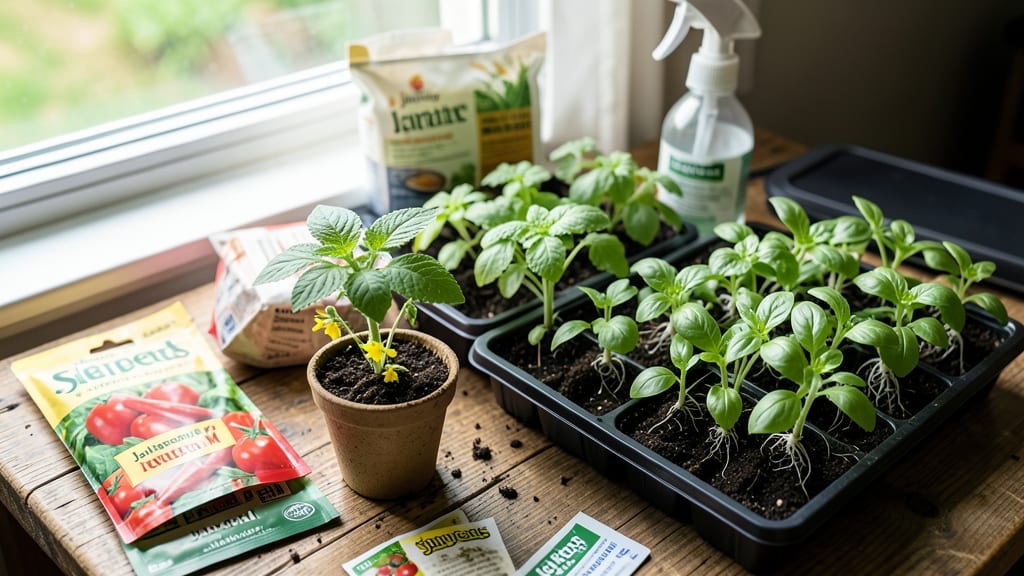
Johnny Seeds seed starting calculator takes the guesswork out of timing—no more counting backward from frost dates or hoping seedlings are ready when you need them. 🌱 I’ve used it for three seasons now, and it’s saved me from bolting lettuce and leggy tomatoes every time.
The system factors in your exact zone, seed type, and transplant needs to give you a foolproof schedule that works for your climate.
You’ll input just three key pieces: your last frost date, the seed variety’s germination time, and how many weeks it needs to grow indoors before transplanting. The calculator then spits out the exact dates to start seeds, with reminders for light adjustments and hardening off.
No more second-guessing—just plant on the dates it gives you, and you’ll have sturdy seedlings ready when the soil warms up.
What you end up with is a garden that starts strong, not one where you’re scrambling to find transplants because your timing was off. My peppers now hit the ground at the perfect size, and my herbs are ready for containers by Memorial Day.
The calculator even accounts for slow starters like parsley or fast growers like radishes, so every seed gets the right amount of time.
Best part? It’s free to use online or downloadable as a printable chart for your planning notebook. Whether you’re a first-timer or a seasoned grower tweaking your schedule, this tool cuts the trial-and-error out of seed starting. Let’s get those dates locked in!
📚 In This Guide
- What you need
- Instructions
- Tips and common mistakes
- Wrapping up and next steps
What you need
- ● Johnny Seeds Seed Starting Calculator (digital or printed—check their blank">website for free tools!)
- ● Seed packets (Johnny Seeds or trusted brands—pick varieties suited to your blank">USDA Hardiness Zone!)
- ● Seed-starting trays or pots (biodegradable or plastic, 2–4" deep; 10–20 trays depending on batch size).
- ● Seed-starting mix (sterile, lightweight blend—1 bag (1–2 cubic feet) covers ~50–100 cells).
- ● Grow lights or sunny windowsill (LED grow lights with 15–20W per sq. ft. or a south-facing window with 6+ hours of sunlight).
- ● Misting bottle or spray nozzle (for gentle watering—avoid oversaturating!).
- ○ Heat mat (optional but helpful) (for cool zones—70–80°F range).
- ● Labels & markers (waterproof tags or masking tape + pen to track varieties/dates!).
- ● Thermometer/hygrometer (to monitor soil temp—ideal: 65–75°F for germination).
- ● Seedling heaters (for finicky seeds like peppers/tomatoes—80–90°F boosts germination!).
- ● Bottom watering trays (keeps roots moist without overwatering—DIY with shallow dishes).
- ● Fertilizer (low-dose) (balanced 5-5-5 or 10-10-10 mix—wait until true leaves appear!).
- ● Humidity dome (clear plastic wrap or store-bought—removes after sprouts emerge).
- ● Garden journal (to log planting dates, soil temps, and growth milestones!).
How to use the johnny seeds seed starting calculator for perfect timing
This tool takes the guesswork out of planting—just plug in your zone and preferences.
☀️ Step 1: Select Your Planting Zone and Last Frost Date
The calculator starts by asking for your USDA hardiness zone and your local last frost date. This ensures the tool accounts for your climate’s unique growing window. If you’re unsure of your zone, the USDA map is easy to find online—just type in your ZIP code for instant results.
I always double-check my local extension service’s frost date records because urban areas can sometimes run slightly warmer than rural zones. The calculator uses this data to recommend planting dates that avoid late frosts while ensuring plants mature before fall temperatures drop.
🌱 Step 2: Choose Your Seed Varieties and Days to Maturity
Next, select the plants you want to grow and enter their days to maturity from the seed packet. This tells the calculator how long each variety needs from seed to harvest. For example, cherry tomatoes might take 60 days, while basil needs only 30 days. The tool then works backward from your first frost date to determine when to start seeds indoors.
Here’s the thing—don’t eyeball this. If you start seeds too early, they’ll get leggy and weak from waiting. Too late, and you’ll miss the growing season entirely. The calculator’s precision prevents both mistakes by factoring in your specific varieties.
⏰ Step 3: Adjust for Indoor vs. Outdoor Starting Conditions
Now, tell the calculator whether you’re starting seeds indoors under grow lights or directly outdoors. Indoor starts need an earlier kickoff because seedlings take time to harden off before transplanting. The tool accounts for this by adding 4-6 weeks to the recommended start date for indoor seeds.
For outdoor starts, the calculator suggests dates that align with soil temperatures and moisture levels. If you’re in a cooler zone, it might recommend waiting until after your average last frost—but if you’re in a mild climate, it could suggest starting earlier for a longer harvest window.
📅 Step 4: Review and Save Your Customized Planting Schedule
The calculator generates a clear, printable schedule with start dates, transplant dates, and harvest windows. This is your roadmap—no more scrambling to remember when to move seedlings outside or when to replant for fall crops.
I like to save this schedule in my gardening notebook alongside my seed inventory. That way, I can cross-reference varieties, track progress, and even plan succession plantings. The tool even includes reminders for thinning seedlings and fertilizing, so nothing slips through the cracks.
🔄 Step 5: Refine Based on Your Experience (Optional)
After your first season, you might notice the calculator’s recommendations don’t perfectly match your results. That’s okay—most gardeners tweak the dates slightly based on their microclimate. For example, if your tomatoes always bolt early, you might start them 7-10 days later next time.
The beauty of this tool is that it’s not rigid. Use it as a starting point, then adjust as you learn what works best in your garden. Over time, you’ll build a custom system that’s even more precise than the original recommendations.
Tips & tricks for perfect seed starting timing
Here's how to get the most out of the Johnny Seeds calculator—these tricks help you avoid common planting pitfalls.
Zone Verification: Always cross-check your USDA zone with your local extension service records. Urban areas can sometimes run 1-2 zones warmer than rural zones, and this affects frost dates. I've seen gardeners in Zone 6 with frost dates closer to Zone 5—don't assume the calculator knows your microclimate better than you do!
Days to Maturity Accuracy: When entering the 60 days for cherry tomatoes or 30 days for basil, double-check your seed packet. Some heirloom varieties need 10-15 days longer than hybrid counterparts. The calculator's precision depends on accurate inputs—this is where most beginners go wrong.
Indoor vs Outdoor Adjustments: For indoor starts, remember those 4-6 weeks added to the timeline account for seedling hardening time. If you're using a heat mat, you can shave off 1-2 weeks since seedlings grow faster in warm soil. For outdoor starts, monitor soil temperatures—if they're consistently 10°F below the calculator's assumption, you may need to delay by 1-2 weeks.
Schedule Backup Strategy: Save your customized planting schedule as both a digital file AND print it out. I keep a laminated copy in my gardening binder. Technology fails—have a backup! Also, add 1-2 weeks of buffer time before your first frost date to account for unexpected weather delays.
Pro Tips for Johnny Seeds Seed Starting Calculator
- Here's how to get the most out of the Johnny Seeds calculator—these tricks help you avoid common planting pitfalls.
- Zone Verification: Always cross-check your USDA zone with your local extension service records.
- Days to Maturity Accuracy: When entering the 60 days for cherry tomatoes or 30 days for basil, double-check your seed packet.
Frequently asked questions
Got questions about using the Johnny Seeds Seed Starting Calculator? You’re not alone! Here are answers to some of the most common ones to help you get started with confidence.
What’s the best time to start seeds indoors vs. outdoors?
The calculator provides zone-specific recommendations based on your last frost date and plant type. For example, cool-season crops (like lettuce or spinach) can often go straight into the ground 4–6 weeks before the last frost, while warm-season plants (like tomatoes or peppers) need an indoor head start 6–8 weeks before transplanting.
Can I adjust the calculator’s default settings?
The tool lets you customize factors like seedling age, transplant date, and growing conditions (e.g., container size or greenhouse use). Just tweak the sliders or inputs to match your setup—it’s designed to be flexible for beginners and pros alike.
What if my zone isn’t listed?
No worries! The calculator uses the USDA Plant Hardiness Zone Map as a baseline, but you can manually input your average last frost date or nearby zone (e.g., if you’re in Zone 7b but closer to 8a). For extreme microclimates (like urban heat islands), err on the side of caution by adding 1–2 weeks to your start date.
My seedlings look leggy or weak—did I start too early?
Leggy seedlings often mean too much light or heat stress, not just timing. Check your grow lights (they should be 2–4 inches above seedlings) and avoid warm spots. If you started too early, you can still transplant them outdoors later—but harden them off first! For next time, use the calculator’s “Optimal Start Window” to avoid overcrowding.
Does this work for vegetables, flowers, and herbs?
The calculator covers most edible plants, including veggies, herbs, and flowers (like marigolds or basil). However, some perennials or tropical plants (e.g., orchids) may need special care. Always cross-reference with seed packet instructions—think of the calculator as your starting point, not the final rulebook!
Wrapping up and next steps
Ready to transform your gardening game? The Johnny Seeds Seed Starting Calculator takes the guesswork out of planting, ensuring your seeds thrive in your unique climate zone.
Whether you're a seasoned green thumb or a curious beginner, precision planting dates are just a few clicks away—giving you the confidence to grow a bountiful harvest with ease!
🌱 Your next step: Bookmark the calculator, jot down your zone, and start planning your dream garden today. Happy planting! 🌿