
Propagation
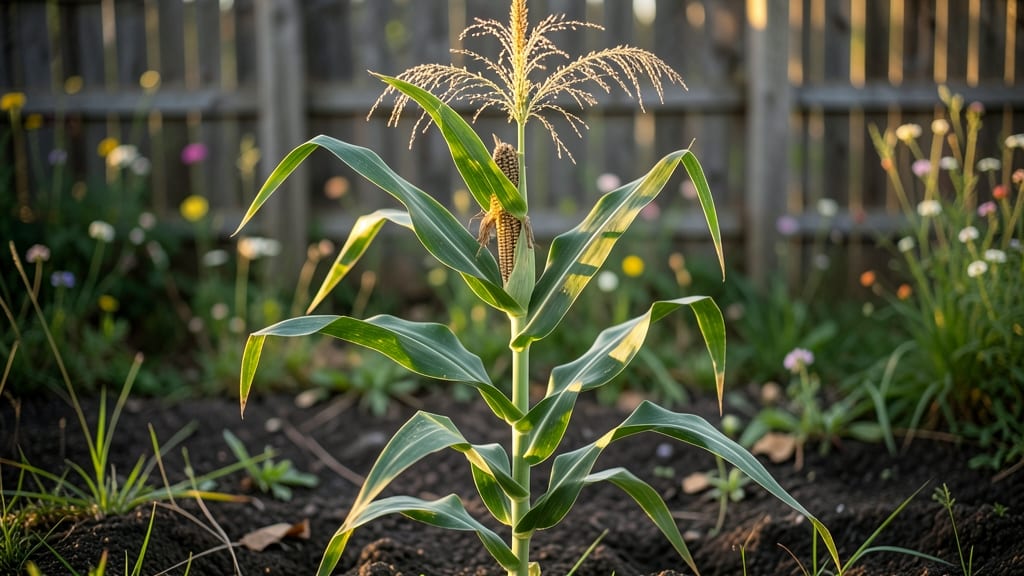
Growing corn from seed to harvest means fresh ears in just 100 days—no store-bought shortcuts needed. 🌽 I’ve watched rows of corn go from tiny seeds to towering stalks, and the secret isn’t complicated: rich soil, consistent water, and patience.
The first sweet kernels appear right when the tassels turn brown, and that moment makes every early-morning weeding worth it.
You’ll need a sunny spot (at least 6 hours of direct light daily), well-draining soil, and seeds planted 1–1.5 inches deep, 4–6 inches apart. Corn thrives in blocks, not rows, so group plants in 4-foot squares for better pollination.
The real magic happens after germination—keeping the soil moist (but not soggy) and fertilizing lightly every 3–4 weeks ensures sturdy stalks and plump ears.
By harvest time, you’ll be snapping off husks to reveal golden silk and plump kernels. The first ears are always the sweetest, and if you time it right, you can stretch the harvest over weeks.
Just watch for pests like corn earworms and diseases like rust—early prevention (like row covers and crop rotation) keeps them at bay.
Perfect for beginners or experienced gardeners looking to grow something dramatic. With the right setup, you’ll go from seeds to dinner table in under three months—no green thumb required, just good timing. Let’s get those stalks growing!
📚 In This Guide
- What you need
- Instructions
- Tips and common mistakes
- Wrapping up and next steps
What you need
- ● Corn seeds: Choose disease-resistant varieties like Silver Queen or Sweet Golden Bantam. Plant 1–2 seeds per hill, spaced 12–18 inches apart in rows 30–36 inches apart.
- ● Garden soil: Well-draining, fertile soil with a pH of 6.0–6.8. Amend with compost if needed.
- ● Fertilizer: 10-10-10 NPK (apply 1–2 lbs per 100 sq ft at planting; side-dress with nitrogen mid-season).
- ● Watering supplies: Hose, drip irrigation, or soaker hoses (corn needs 1–1.5 inches of water per week).
- ● Stakes or trellis: For tall varieties (e.g., Country Gentle), use 6–7 ft stakes spaced every 3–4 plants.
- ● Garden tools: Trowel, hoe, pruners, and gloves.
- ● Mulch: Straw or grass clippings to retain moisture and suppress weeds.
- ● Row covers: Lightweight fabric to protect young seedlings from pests.
- ● Corn planter: A hand-crank planter for precision planting in large gardens.
- ● Pest deterrents: Neem oil or diatomaceous earth for aphids/earworms.
- ● Harvesting tools: Sharp knife or corn knife for clean cuts.
Step-by-step instructions for growing corn from seed
Turn your backyard into a cornfield with these simple steps—no fancy tools needed.
🌱 Step 1: Choose the Right Variety and Plant at the Correct Time
Pick a short-season variety (like 'Early Sunglow' or 'Silver Queen') since corn needs 100 days to mature. Plant after your last frost date when soil reaches at least 60°F—cold soil slows germination. I always check the seed packet for days to maturity and count backward from your first expected frost.
Corn loves warmth, so wait until nighttime temperatures stay above 50°F. If you plant too early, seedlings may rot in cold soil. A soil thermometer helps—stick it in the ground where you'll plant and wait for consistent readings above 60°F. I've learned the hard way that rushing leads to weak starts.
🪴 Step 2: Prepare the Soil and Plant Seeds Deeply
Corn thrives in loose, fertile soil with pH 6.0-7.0. Work in 2-3 inches of compost or aged manure before planting to give roots plenty of nutrients. I use a garden fork to loosen the soil to a depth of 12 inches—corn roots grow deep, and compacted soil will stunt them.
Plant seeds 1 inch deep and 4-6 inches apart in rows spaced 3 feet apart. This spacing gives plants room to grow tall without crowding. Drop 2-3 seeds per hole—corn has a low germination rate, so extra seeds ensure you get strong plants. After planting, cover seeds lightly with soil and water gently to settle everything in place.
☀️ Step 3: Maintain Consistent Moisture and Fertility
Corn needs 1-2 inches of water per week, especially during tasseling and ear development. I water deeply 2-3 times per week rather than daily shallow watering—this encourages deep root growth. Let the top 1-2 inches of soil dry out between waterings to prevent fungal diseases like blight.
Side-dress with nitrogen-rich fertilizer when plants reach 12 inches tall. I use a balanced 10-10-10 fertilizer, spreading it 3 inches away from the base and lightly raking it into the soil. This mid-season boost keeps plants growing strong and prevents ear rot. Watch for silver-gray silk strands emerging from the top—this signals tasseling and the need for extra nitrogen.
⏰ Step 4: Watch for Pollination and Harvest at Peak Ripeness
Pollination happens when silky threads (the female part) appear from the husks, and the tassel (the male part) releases pollen. You'll see the silks turn brown and crispy within 24 hours after successful pollination. This is your cue to check for ear development—gently pull back the husks to peek at the kernels.
Harvest when kernels are plump, milky-white, and firm when pressed. I test by piercing a kernel with my thumbnail—if it leaves a dent but doesn’t squirt juice, it’s ready. Cut ears from the stalk with a sharp knife, leaving 1 inch of the cob attached. For sweet corn, harvest in the morning when sugars are highest, and cook within 2 days for the best flavor.
Tips & tricks for growing corn from seed
Real talk: Growing corn from seed is one of those rewarding projects where the little details make all the difference between a decent harvest and a jaw-dropping cornfield.
Variety Selection Matters: While 'Early Sunglow' and 'Silver Queen' are classic short-season varieties, consider 'Bodacious' if you want extra-sweet kernels or 'Peaches and Cream' for a slightly longer season with stunning bicolor ears. The 100-day maturity window is non-negotiable—check your local frost dates and count backward from the seed packet's days-to-maturity to pinpoint your planting window. I've planted too early twice, and those seedlings just didn't make it through the cold snaps.
Soil Prep is Non-Negotiable: That 12-inch deep loosening isn't just a suggestion—corn roots need room to stretch. Use a broadfork to aerate compacted soil without turning it into a cement block. For the 2-3 inches of compost, I mix in worm castings too—they add beneficial microbes that help roots absorb nutrients more efficiently. And here's what nobody tells you: if your soil pH isn't between 6.0-7.0, add lime or sulfur before planting to avoid nutrient deficiencies that show up as yellow leaves later.
Watering Wisdom: Those 2-3 deep waterings per week are critical, but timing matters. Water in the morning so the foliage dries quickly—this prevents fungal diseases like blight that love damp leaves. When you see the silks emerge (Step 4), that's your cue to increase water to 1-2 inches per week. The kernels are forming then, and they need consistent moisture to plump up properly. I've seen corn ears split open because of uneven watering—it's heartbreaking after all that work.
Pollination Check: That 24-hour silk color change is your golden ticket to knowing pollination happened. If you're not seeing brown, crispy silks after 24 hours, you might need to hand-pollinate. On a dry day, gently shake the tassels to release pollen when the silks are just emerging. I've done this for neighboring plants when my cornfield was small, and it made all the difference in ear development.
Pro Tips for Corn From Seed To Harvest
- Real talk: Growing corn from seed is one of those rewarding projects where the little details make all the difference between a decent harvest and a jaw-dropping cornfield.
- The 100-day maturity window is non-negotiable—check your local frost dates and count backward from the seed packet's days-to-maturity to pinpoint your planting window.
- Soil Prep is Non-Negotiable: That 12-inch deep loosening isn't just a suggestion—corn roots need room to stretch.
Frequently asked questions
Got questions about growing corn from seed to harvest? You’re not alone! Here are answers to the most common queries—whether you’re a first-time gardener or a seasoned pro looking for a refresher.
How long does it really take for corn to go from seed to harvest?
Most corn varieties mature in 60–100 days after planting, depending on the type (early, mid-season, or sweet corn). Sweet corn, like ‘Silver Queen,’ typically reaches harvest in 70–90 days. Check the seed packet for exact days-to-maturity—this ensures you plant at the right time for your climate!
What’s the best temperature for planting corn seeds?
Corn thrives in warm soil (60°F/15°C or higher). Wait until nighttime temperatures stay above 50°F (10°C)—planting too early in cold soil can stunt growth or invite pests. Use a soil thermometer to confirm! If your spring is chilly, opt for early-maturing varieties or start seeds indoors (with transplant care).
Why are my corn seedlings wilting or turning yellow?
Wilty or yellowing seedlings often signal overwatering, poor drainage, or fungal diseases (like damping-off). Ensure soil is moist but not soggy—corn roots need air! Thin seedlings to 4–6 inches apart for better airflow. If mold appears, treat with a copper fungicide or switch to raised beds for next time.
Can I grow corn in containers, or does it need a big garden?
Yes! Corn can thrive in 5-gallon containers or deeper pots (at least 12 inches deep) if you choose bush varieties (like ‘Golden Bantam’). Avoid tall types—they’ll flop over. Use a well-draining potting mix and fertilize regularly. For pollination, plant at least two containers together or hand-pollinate with a paintbrush if needed.
How do I know when corn is ready to harvest?
Harvest sweet corn when the silks turn brown and kernels are plump, milky-white, and firm (press a kernel—it should ooze a little liquid). For dent corn (field corn), wait until kernels are hard and glassy (about 20% moisture). Morning harvests preserve sweetness—get it from field to pot within 30 minutes!
Still stumped? Drop your question in the comments—we’re happy to help your corn grow like a pro!
Wrapping up and next steps
From seed to harvest in just 100 days—corn truly is nature’s fast-track crop! 🌱 Whether you’re a first-time gardener or a seasoned grower, understanding each step—from soil prep to silking—ensures a bountiful yield.
With the right tools, patience, and a little know-how, you’ll be savoring sweet, homegrown ears of corn before you know it.
Ready to plant your seeds of success? Start by marking your calendar for the ideal planting window in your zone, then gather your supplies and dive in! Happy growing—and may your corn be plentiful! 🌽✨