
Lawn
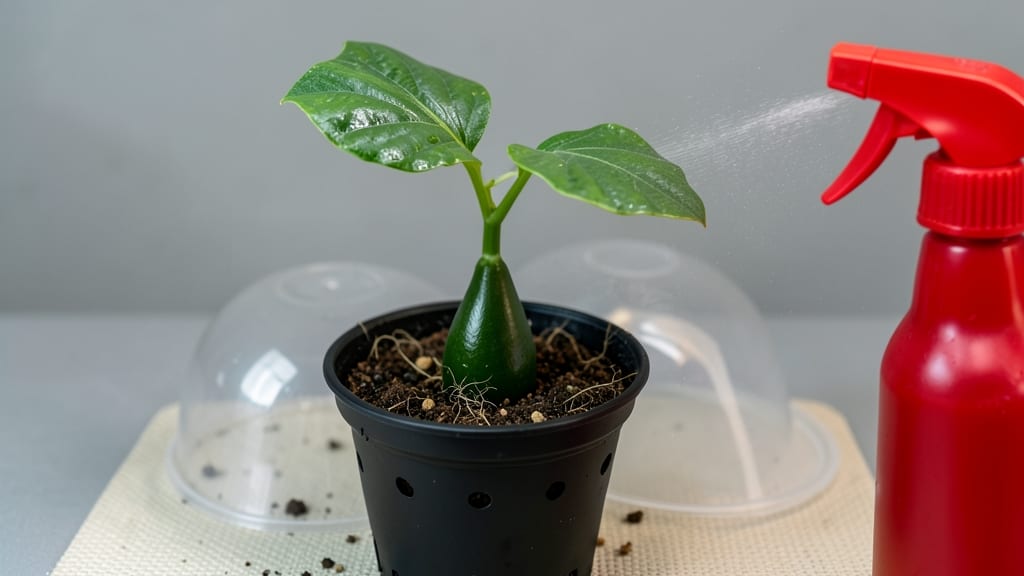
Your jackfruit seed sprout could be the start of a tropical treasure—if you know how to test it first. 🌱 I’ve learned the hard way that not every seed is ready to grow, and a simple viability check saves weeks of waiting for nothing. The key?
A damp paper towel and a warm spot for just a few days. You’ll need a few basic supplies: a glass jar with a lid, a few paper towels, and your jackfruit seeds. Place them between damp towels, seal the jar loosely, and wait.
Within 3-7 days, you’ll see either a tiny sprout or a seed that’s still sleeping—no guesswork involved. Once you spot that first curl of green, it’s time to move to soil. Use a well-draining mix with perlite or sand, and keep the pot in bright, indirect light.
Jackfruit seedlings love warmth—75-85°F is ideal—and they’ll push through the soil in about 2-4 weeks if everything’s right. Outdoor growers in zones 10-12 can transplant young plants, but indoor growers will need a large container and patience. The real reward?
A tree that can live for decades—and maybe even produce fruit someday. Let’s get those seeds sprouting!
📚 In This Guide
- What you need
- Instructions
- Tips and common mistakes
- Wrapping up and next steps
What you need
- ● Jackfruit seeds: 5–10 fresh, plump seeds (harvested from a ripe jackfruit within the last 2–3 days). Pro tip: 💡 Avoid seeds with cracks or mold—they’re less likely to sprout!
- ○ Paper towels or coffee filters: 2–3 sheets (unbleached, seed-safe). Optional: Use a thin layer of damp paper towels for better moisture retention.
- ● Spray bottle (fine mist): 1 (for gentle hydration—avoid soaking!).
- ○ Small plastic bag or airtight container: 1 (clear or opaque, like a ziplock or Tupperware). Optional: A humidity dome (like those for seed-starting kits) works too!
- ● Ruler or measuring tape: 1 (to track sprout growth in 1/4-inch increments).
- ● Pencil or marker: For labeling your container (e.g., “Jackfruit Seeds – Tested [Date]”).
- ○ Notebook or app: To log observations (e.g., sprouting day, root length). Optional: Use a free seed-tracking app like GrowVeg.
- ○ Grow light or sunny windowsill: For post-sprout care (if you decide to plant!). Optional: A heat mat (70–80°F) speeds up germination.
- ● Well-draining soil mix: 1 small pot or tray (if you plan to transplant sprouts). Recommendation: Cactus/succulent mix + perlite for aeration.
- ● Time commitment: 7–14 days for viability testing (check daily!).
- ● Patience: Jackfruit seeds can be slow starters—don’t give up after 3 days!
- ● Space: A clean, flat surface (like a countertop or desk).
- ● Basic knowledge: How to identify a viable sprout (look for a 1/4-inch root or tiny green shoot).
How to test jackfruit seed viability before planting
Here's my foolproof method to check if those jackfruit seeds are worth growing.
🌱 Step 1: Collect and Prepare the Seeds
Start by carefully removing seeds from a fresh, ripe jackfruit. You'll need about 4 seeds for this viability test. Rinse them gently under lukewarm water to remove any remaining fruit pulp—this prevents mold from forming during the test. I like to soak them for 5-10 minutes to ensure they're completely clean.
After rinsing, pat the seeds dry with a paper towel. You'll notice they have a hard, woody outer shell—this is normal. The goal is to keep them dry on the outside while maintaining moisture inside. Place them on a clean towel to air-dry for another 10 minutes until they're just slightly damp to the touch.
💧 Step 2: Perform the Water Float Test
Fill a clear glass or bowl with room-temperature water. Gently place each seed into the water one at a time. This is where you'll see the magic happen—the viable seeds will sink to the bottom within 30 seconds, while non-viable ones will float. I always test them individually to avoid confusion.
Leave the seeds in the water for 24 hours. After this time, remove any seeds that haven't sunk. These are likely non-viable and won't sprout. The seeds that remain at the bottom are your winners—these are ready for the next step. You'll typically see 2-3 viable seeds out of 4 from a fresh jackfruit.
☀️ Step 3: Germinate the Viable Seeds
Take your viable seeds and place them between two damp paper towels in a sealed plastic bag. This creates a humid environment that mimics tropical conditions. I like to fold the paper towels to create a small pocket for each seed, then place them in the bag. The bag should be slightly open to allow for minimal airflow—this prevents mold while maintaining humidity.
Store the bag in a warm location, ideally 75-85°F, like near a sunny window or under a grow light. Check the seeds daily. You should see the first signs of sprouting within 7-14 days. Look for a small white root emerging from the seed—this is your cue that germination has begun.
🌿 Step 4: Prepare for Planting Sprouted Seeds
Once you see the root, it's time to prepare for planting. Fill a small pot with well-draining soil mix—jackfruit seedlings need good aeration to prevent root rot. I use a blend of 50% potting soil and 50% perlite for this purpose. Plant the seed about 1 inch deep, with the root pointing downward.
Water the soil gently until it's moist but not soggy. Place the pot in a warm, bright location, but avoid direct sunlight for the first few days. Jackfruit seedlings are sensitive to temperature fluctuations, so keep them in a stable environment. You'll see the first true leaves emerge within 2-3 weeks, signaling that your seedling is thriving.
⏰ Step 5: Monitor Growth and Transplant
Keep the soil consistently moist but not waterlogged. You'll know it's time to water when the top inch of soil feels dry to the touch. As the seedling grows, gradually introduce it to more sunlight. Jackfruit trees love bright, indirect light but can handle some direct sun once they're established.
After about 4-6 weeks, when the seedling has developed a few true leaves and is about 6 inches tall, it's ready to be transplanted into a larger pot or outdoor garden. Choose a location with well-draining soil and plenty of space—jackfruit trees can grow quite large. This is where the real fun begins!
Tips & tricks for stress-free jackfruit seed sprouting
These simple strategies will help you maximize your chances of successful germination and avoid common pitfalls along the way.
Seed Selection Matters: When choosing your 4 seeds, pick the largest ones you can find. Larger seeds tend to have higher viability rates, and you'll notice they're often heavier in your hand. I've found that seeds from very ripe jackfruits (with slightly soft spots) often produce the best results. Avoid seeds with cracks or holes—they're more prone to mold during the water soak.
Temperature Control: Maintaining that 75-85°F range during germination is crucial, but don't worry if you can't hit it perfectly. A simple way to check is to place your hand near the seeds—if it feels warm but not hot, you're in the right zone. For cooler climates, try placing the germination bag near a sunny window during the day and moving it to a warmer spot at night. The key is consistency rather than exact temperatures.
Visual Cues for Germination: In Step 3, when checking for sprouts within 7-14 days, look for more than just the root. Healthy seeds will often develop a small bump on the opposite side of the root before it breaks through. This bump indicates the seedling is actively pushing upward. If you see mold (fuzzy white or black spots) instead of roots, discard those seeds immediately—they won't grow properly.
Soil Mix Alternative: While the 50% potting soil and 50% perlite mix works perfectly, you can substitute perlite with coarse sand or even small pebbles if needed. The important factor is good drainage—jackfruit seedlings hate soggy roots. I've successfully used a mix of 60% potting soil and 40% orchid bark for tropical plants, which works just as well for these sensitive seedlings.
Pro Tips for Jackfruit Seed Sprout
- These simple strategies will help you maximize your chances of successful germination and avoid common pitfalls along the way.
- Seed Selection Matters: When choosing your 4 seeds, pick the largest ones you can find.
- Temperature Control: Maintaining that 75-85°F range during germination is crucial, but don't worry if you can't hit it perfectly.
Frequently asked questions
Got questions about sprouting jackfruit seeds?
You’re not alone! Here are some of the most common queries—and their easy answers—to help you get started with confidence.
How long does it take for jackfruit seeds to sprout?
Jackfruit seeds typically sprout within 7 to 21 days under ideal conditions (warmth, moisture, and indirect light). Some may take longer, especially if stored or planted in cooler environments. Patience is key—keep the soil consistently damp and check daily for tiny green shoots!
Can I sprout jackfruit seeds indoors without sunlight?
Yes! While jackfruit seeds need light to grow long-term, you can start them indoors using a grow light or a sunny windowsill. If natural light is limited, a simple LED bulb (12+ hours/day) will work. Just avoid direct heat sources—like radiators—to prevent drying out.
What if my jackfruit seeds won’t sprout? Troubleshooting tips?
If your seeds aren’t sprouting after 3+ weeks, try these fixes:
- Check viability: Soak seeds in warm water for 24 hours—if they float, they’re likely bad.
- Adjust moisture: Overwatering can rot seeds; underwatering stalls growth. Aim for damp (not soggy) soil.
- Warmth boost: Place seeds near a heat source (like a seedling mat) if your home is chilly.
- Fresh seeds: Older seeds (over 6 months) may lose viability. Try sourcing new ones!
Can I plant jackfruit seeds directly in the ground without sprouting first?
Jackfruit seeds are hardy enough for direct planting in warm climates (USDA zones 10–12). Dig a hole 2–3 inches deep, place the seed flat-side down, and cover with soil. Water lightly and mulch to retain moisture. Sprouting may take longer outdoors, but it’s a great low-effort method!
What’s the best soil mix for sprouting jackfruit seeds?
Use a light, well-draining mix like:
- 50% coco coir or peat moss
- 30% perlite or vermiculite
- 20% compost or worm castings
Are jackfruit seed sprouts edible, or just for planting?
While the sprouts themselves aren’t typically eaten, the young jackfruit tree leaves and flowers are edible (and delicious in curries or salads!). The seed’s main purpose is propagation, but you can compost unsprouted seeds or use them as a biodegradable plant marker in your garden.
Wrapping up and next steps
Discovering whether your jackfruit seed sprout is ready for planting doesn’t have to be a guessing game! With just a few simple steps—like the float test or a quick soil check—you can confidently assess viability and give your future tree the best start.
Whether you’re a seasoned gardener or a curious beginner, this process is your ticket to green thumbs and thriving growth.
Ready to take the next step? Grab your seeds, follow the guide, and watch your jackfruit seed sprout transform into a lush, tropical addition to your lawn. Happy planting! 🌱✨