
Lawn
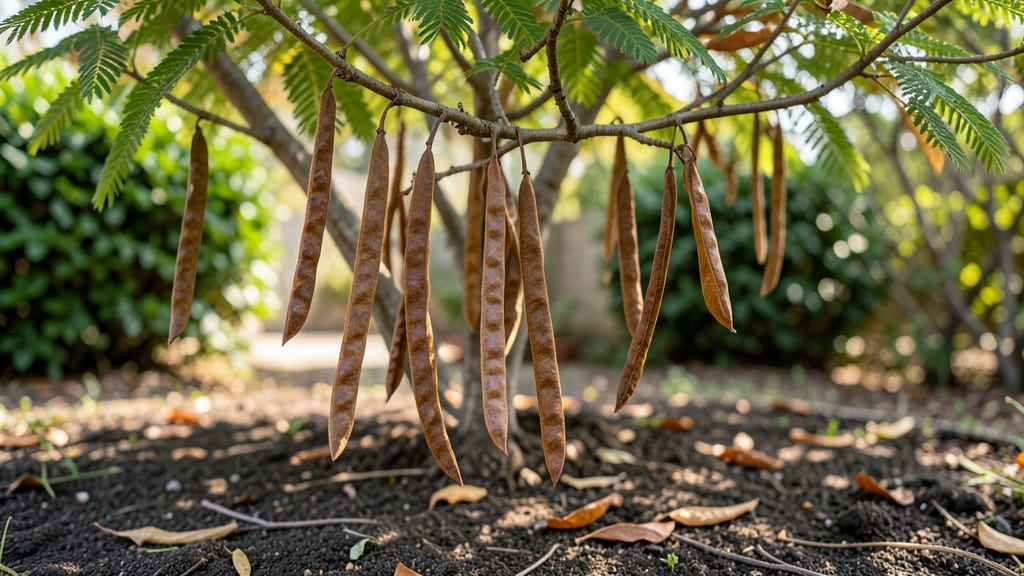
Harvesting jacaranda tree seed pods turns a spring cleanup into a future forest of purple blooms. 🌿 The key is patience—wait until pods turn brown and split open naturally, then collect them before they release seeds into the grass.
I’ve learned that rushing this step means lower germination rates, but timing it right gives you a head start on next year’s jacaranda seedlings.
Once you’ve gathered the pods, crack them open to reveal the dark, papery seeds inside. Soak them overnight to break dormancy, then plant them in a mix of sand and potting soil for the best results.
The trick is keeping them moist but not soggy—jacaranda seeds need consistent humidity to sprout, and too much water can rot them before they even begin.
Within 2-4 weeks, you’ll see tiny green shoots pushing through the soil, signaling success. These seedlings grow fast but need bright, indirect light to stay strong.
Transplant them into individual pots once they’ve got a few sets of leaves, and you’ll have sturdy young trees ready for their permanent home in 6-8 months.
Common challenges like slow germination or leggy seedlings happen when conditions aren’t just right. Too much shade stunts growth, while direct sun can scorch young leaves. Keep them in a warm spot—70-75°F is ideal—and watch them thrive.
With the right care, your jacaranda seedlings could be flowering in as little as 5 years!
📚 In This Guide
- What you need
- Instructions
- Tips and common mistakes
- Wrapping up and next steps
What you need
- ● Mature jacaranda seed pods: Collect 10–20 fully dried, brown pods (they’ll rattle when shaken—this means they’re ripe!). Aim for healthy-looking pods with no mold or pests.
- ● Pruning shears or sharp scissors: 1 pair (for safely cutting pods from branches without damaging the tree).
- ● Large cardboard box or breathable paper bags: 1–2 (to transport pods without crushing them).
- ● Plastic or glass container with a lid: 1 (for long-term seed storage; 8x12 inches is ideal).
- ● Fine-mesh sieve or colander: 1 (to separate seeds from chaff).
- ● Paper towels or newspaper: 2–3 sheets (for drying seeds).
- ● Small paintbrush or soft cloth: 1 (for gently cleaning seeds).
- ● Labeling tape and marker: 1 roll + 1 marker (to tag your container with the harvest date).
- ● Glove: 1 pair (jacaranda pods can be dusty—protect your hands!).
- ● Desiccant packets (silica gel): 1–2 (to keep stored seeds extra dry).
- ● Spray bottle with water: 1 (for misting seeds if they seem too dry).
- ● Notebook: 1 (to jot down notes on pod conditions or germination tips).
Step-by-Step instructions for harvesting jacaranda seed pods
Here's how I collect and store pods for healthy seedlings next spring—without the mess.
🪴 Step 1: Time Your Harvest for Maximum Viability
Wait until pods turn deep brown and begin splitting open—usually late summer or early fall. I check weekly after the tree's purple blooms fade completely. The pods should feel dry to the touch but still intact, not cracked or leaking seeds.
Harvest on a dry day when rain isn't forecasted for 24 hours. Wet pods mold quickly in storage, and you'll lose viability. Use pruning shears to cut entire branches with pods still attached—this gives you more pods per trip and avoids dropping seeds on the ground.
✂️ Step 2: Extract Seeds From the Pods
Spread a clean tarp or large sheet of newspaper under your work area. Jacaranda pods contain 10-20 seeds each, and they scatter easily. Gently twist open each pod with your fingers—no need to force them, as they'll split naturally when dry.
Remove any blackened or shriveled seeds immediately. Healthy seeds are light brown, plump, and firm. I place good seeds in a paper envelope while discarding empty pods in the yard waste. Label each envelope with the harvest date—older seeds germinate more slowly.
🌱 Step 3: Dry and Store Seeds Properly
Spread seeds in a single layer on a mesh screen or paper towel in a cool, dry place for 1-2 weeks. I keep them in an open cardboard box on my garage shelf where airflow circulates. Check daily for signs of moisture or mold—if you see condensation, move to a drier location immediately.
Once completely dry, transfer seeds to a sealed container with a desiccant packet. I use small glass jars with tight lids and store them in the refrigerator's crisper drawer. This mimics natural dormancy conditions and keeps seeds viable for 2-3 years.
💧 Step 4: Prepare Seeds for Planting Next Spring
In early spring, soak seeds in lukewarm water for 24 hours before planting. This softens the tough outer shell and speeds germination. I use a shallow dish with just enough water to cover the seeds—no need to submerge them completely.
After soaking, plant seeds ½ inch deep in well-draining potting mix. Jacaranda seedlings grow slowly at first, so keep soil consistently moist but never soggy. Place containers in bright, indirect light until sprouts appear in 4-6 weeks.
☀️ Step 5: Transplant Seedlings to Their Permanent Home
Wait until seedlings develop 3-4 true leaves and reach 4-6 inches tall before transplanting. Jacarandas hate root disturbance, so I use biodegradable pots and transplant entire root balls. Choose a location with full sun exposure and well-draining soil.
Dig a hole twice as wide as the root ball but only as deep. This encourages roots to spread horizontally rather than settling too deep. Water thoroughly after planting and mulch around the base to retain moisture during establishment.
Tips & tricks for perfect jacaranda seed pod harvesting
Between us, harvesting jacaranda seed pods can feel like chasing a moving target—but these little tricks will help you collect viable seeds without the stress.
Harvest Timing Secret: The 24-hour dry weather window in Step 1 is non-negotiable. I've learned this the hard way after watching harvested pods mold overnight. Check your local weather app for "dry forecast" rather than just "sunny"—humidity matters more than temperature. If you're unsure, harvest a few pods as a test: if they feel damp inside, wait another day.
Seed Extraction Technique: When you're twisting open those pods in Step 2, work over a large tray or even a laundry basket lined with newspaper. Jacaranda seeds are like tiny cannonballs—they'll ricochet everywhere if you're not careful. I keep a small handheld vacuum nearby to quickly recover any seeds that bounce away, which saves hours of searching later.
Drying Strategy: For the 1-2 week drying period in Step 3, I've found that placing seeds on a mesh screen over a fan (set to low) speeds up the process without overheating. Just make sure the airflow isn't too strong—you want gentle circulation, not a hurricane. Watch for condensation on the container underneath; if you see any, move to a drier spot immediately.
Storage Wisdom: The refrigerator's crisper drawer isn't just a suggestion—it's the gold standard for seed storage. The combination of cool temperatures and slightly higher humidity mimics the tree's natural dormancy period. I label each jar with both the harvest date and the seed count so I can track viability over time. Pro tip: If you're storing for more than 2 years, add an extra desiccant packet to combat any potential moisture buildup.
Pro Tips for Jacaranda Tree Seed Pods
- Between us, harvesting jacaranda seed pods can feel like chasing a moving target—but these little tricks will help yo...
- Harvest Timing Secret: The 24-hour dry weather window in Step 1 is non-negotiable. I've learned this the hard way aft...
- Seed Extraction Technique: When you're twisting open those pods in Step 2, work over a large tray or even a laundry b...
Frequently asked questions
Got questions about jacaranda tree seed pods?
You’re not alone! Here are answers to the most common queries—from timing to troubleshooting—so you can harvest seeds like a pro.
When do jacaranda seed pods ripen and fall?
Jacaranda seed pods typically ripen in late fall to winter (October–December in most U.S. zones). They’ll turn from green to brown and split open when fully dry—usually after a light frost. Wait until pods crack naturally to avoid collecting immature seeds that won’t sprout.
How long does it take for harvested seeds to germinate?
Fresh jacaranda seeds germinate in 2–4 weeks if stored properly. For best results, soak seeds in warm water for 24 hours before planting. Keep them in a moist, warm environment (70–75°F) with indirect light until sprouts appear. Patience is key—some seeds may take up to 6 weeks!
What if my seed pods are empty or moldy?
Empty or moldy pods usually mean the seeds were harvested too early or exposed to moisture. Check for:
- Dry, papery pods = seeds inside (collect immediately).
- Slimy or discolored seeds = discard (moldy seeds won’t sprout).
- Weevils or holes = store seeds in a sealed container with dried rice to deter pests.
Can I grow jacaranda trees from seed pods in cold climates?
Yes, but start seeds indoors 8–10 weeks before your last frost to give seedlings a head start. Jacarandas thrive in USDA Zones 9–11, but young trees can be winter-protected with mulch or a frost cloth. For colder areas, consider container growing and moving pots indoors during winter.
Are there alternatives if my jacaranda tree isn’t producing pods?
If your tree isn’t flowering or podding, it may need:
- Full sun (6+ hours daily)—jacarandas love warmth.
- Well-draining soil (amend clay soil with compost).
- Regular watering (deep but infrequent—overwatering stresses roots).
- Fertilizer in spring (use a balanced 10-10-10 formula).
Wrapping up and next steps
Harvesting jacaranda tree seed pods doesn’t have to be a daunting task—with the right timing, tools, and care, you can easily collect viable seeds for next year’s growth! 🌱 Whether you’re a gardening novice or a seasoned green thumb, these pods offer a rewarding way to propagate new trees while keeping your lawn vibrant.
Now that you’re equipped with the how-tos and FAQs, why not take the next step?
💡 Ready to grow? Start by planting your harvested seeds in well-draining soil and watch your jacaranda forest bloom! Share your progress with fellow gardeners or tag us—we’d love to see your success. Happy planting! 🌿