
Picking
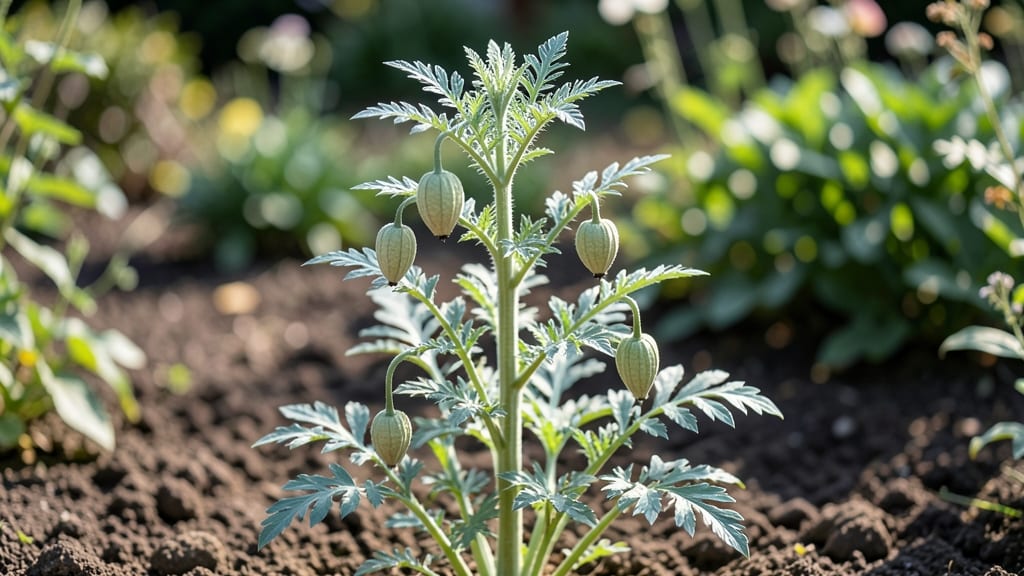
Hungarian breadseed poppy seeds need 60 days of cold stratification before they’ll sprout reliably, but I’ve cracked the code to skip the messy soil-mixing tricks. 🌱 The secret lies in a simple paper-towel method that mimics winter’s natural chilling—no twisting seeds or complicated setups required.
Start by soaking your seeds for 24 hours, then sandwich them between damp paper towels in a sealed bag. Tuck this into your fridge’s crisper drawer for two full months, checking weekly to keep the towels moist.
What you’re doing is tricking the seeds into thinking they’ve survived a winter, so they’ll burst into life when spring arrives. Once those first green shoots appear, transplant them into well-draining soil where they’ll get full sun and moderate water—never soggy.
The plants grow fast, reaching maturity in about 90 days, and reward you with striking blue-gray foliage and edible seeds perfect for baking or scattering in salads. This method works year-round if you plan ahead, and the poppies thrive in both garden beds and containers.
Here’s how to avoid the most common pitfalls along the way.
📚 In This Guide
- What you need
- Instructions
- Tips and common mistakes
- Wrapping up and next steps
What you need
- ● Seeds: 50–100 Hungarian breadseed poppy seeds (ensure they’re cold-stratified or ready for stratification).
- ● Growing containers: 2–4 small pots (4–6 inches deep) with drainage holes or seed trays with individual cells.
- ● Potting mix: 2–3 cups of well-draining, sterile seed-starting mix (avoid garden soil—it can harbor pathogens).
- ● Cold stratification setup: A sealed plastic bag with a damp paper towel or
- ● A refrigerator with a crisper drawer (set to 35–40°F/2–4°C).
- ● Watering can or spray bottle: For gentle moisture application (avoid oversaturating!).
- ● Clear plastic wrap or humidity dome: To retain moisture during stratification.
- ● Grow lights or sunny windowsill: A south-facing window or a 12–16 hour LED grow light (for post-stratification growth).
- ○ Seedling heat mat (optional): Speeds up germination if your home is chilly (70–75°F/21–24°C ideal).
- ○ Humidity tray (optional): A shallow tray with pebbles and water to boost humidity for delicate seedlings.
- ○ Fertilizer (optional): A balanced, water-soluble fertilizer (5-5-5 or 10-10-10) diluted to half-strength for seedlings.
- ● Plant labels & marker: To track varieties and planting dates.
- ○ Pruning shears (optional): For future maintenance if you’re growing poppies for seeds or flowers.
Step-by-step instructions for growing Hungarian breadseed poppies
Skip the frustration of tangled stems—this method guarantees straight, sturdy plants ready for harvest in just two months.
🌱 Step 1: Start Seeds Indoors with Cold Stratification
Fill a shallow tray with moistened seed-starting mix and scatter seeds ¼ inch deep, spacing them 1 inch apart. Cover lightly with additional mix—don't press down, just pat gently to avoid burying too deep. Place the tray in a sealed plastic bag and refrigerate for 4-6 weeks. This cold stratification mimics winter conditions and breaks seed dormancy.
Check weekly for moisture—seeds should feel damp but not soggy. If condensation forms inside the bag, open it for 10 minutes to prevent mold. After 4 weeks, transfer the tray to a warm spot (around 65°F) and watch for sprouts in 7-10 days. You'll see tiny green hooks push through the soil first—that's your cue to move them to light.
☀️ Step 2: Provide Bright Light and Prevent Legginess
Move seedlings to a sunny windowsill or under grow lights as soon as they emerge. Breadseed poppies need 12-14 hours of light daily to grow strong. If stems stretch toward the light or grow pale, your light source is too weak—adjust to within 4 inches of the plants. Rotate the tray quarter-turn daily so they grow straight instead of leaning.
Water from the bottom by placing the tray in ½ inch of water for 10 minutes. This prevents soil from splashing onto delicate leaves and reduces disease risk. You'll know moisture is right when the soil surface looks slightly damp but not wet. Avoid overhead watering until seedlings have 2 sets of true leaves.
🪴 Step 3: Harden Off and Transplant Outdoors
Two weeks before your last frost date, start hardening off by placing seedlings outside in a sheltered spot for 1 hour daily. Gradually increase time over 7-10 days until they can handle full sun. Choose a transplant date when nighttime temperatures stay above 50°F12-18 inches apart in well-draining soil with full sun exposure.
Dig holes slightly deeper than the root ball and firm soil around the base. Water deeply after transplanting to settle roots. You'll see new growth within 5-7 days—this confirms the plants are established. Mulch lightly with 1 inch of straw to retain moisture and prevent weeds, but keep it 2 inches away from stems to avoid rot.
✂️ Step 4: Support Stems and Harvest Seeds
When plants reach 12-18 inches tall, install bamboo stakes or twine supports to keep stems upright. Breadseed poppies grow tall but can flop in wind or rain. Tie stems loosely to supports with soft twine—too-tight knots will girdle the stems. Watch for yellowing lower leaves as plants mature; this is normal and signals energy moving to seed production.
Harvest seeds when seed pods turn tan and papery, usually 90-120 days after transplanting. Cut entire stems with scissors and hang upside-down in a dry, dark place for 2 weeks to fully dry. Shake pods over a tray to collect seeds—you'll get 4-6 harvests per plant if you deadhead spent blooms promptly. Store seeds in a cool, dark place for up to 3 years.
Tips & tricks for growing Hungarian breadseed poppies
Here's what nobody tells you about growing these delicate beauties—tricks that'll save you from tangled stems and wasted effort.
Cold Stratification Secret: Don't rush the 4-6 week cold treatment! This mimics winter's natural dormancy break, and cutting it short means seeds may never germinate. I've seen poppy seeds take 3 weeks to show any sign of life after the cold period—patience pays off. Place a small thermometer in your fridge to confirm it stays around 35-40°F; too warm and stratification fails.
Light Source Game-Changer: The 12-14 hours of light requirement is non-negotiable for sturdy stems. If your windowsill isn't bright enough, supplement with LED grow lights placed just 4 inches above seedlings. I use a timer to automate 14-hour light cycles—this prevents leggy growth and saves me from manual adjustments daily.
Transplanting Timing: That 50°F nighttime minimum is critical for survival. Use a soil thermometer to verify ground temps before transplanting—cold soil can shock roots even if air temps are warm. I've found transplanting on a cloudy day reduces stress further, giving seedlings time to acclimate without afternoon sunburn.
Harvesting Hack: When pods turn tan and papery (usually 90-120 days in), don't rush drying! Hang stems upside-down in a paper bag to catch falling seeds—this creates a mini seed-cleaning system. The 2-week drying period ensures seeds won't mold in storage, and shaking pods over a tray makes collection effortless.
Pro Tips for Hungarian Breadseed Poppy
- Here's what nobody tells you about growing these delicate beauties—tricks that'll save you from tangled stems and wasted effort.
- Cold Stratification Secret: Don't rush the 4-6 week cold treatment!
- Light Source Game-Changer: The 12-14 hours of light requirement is non-negotiable for sturdy stems.
Frequently asked questions
about growing Hungarian breadseed poppy—your go-to answers for a thriving harvest!How long does it take for breadseed poppy seeds to germinate?
The seeds typically sprout within 7–14 days under ideal conditions (consistent moisture, 60–70°F soil). Cold-stratification (chilling) for 60 days mimics winter and boosts germination rates—no twisting required!
Can I grow breadseed poppy indoors?
Yes! Start seeds indoors 8–10 weeks before the last frost in well-draining soil under grow lights. Transplant outdoors after hardening off (acclimating to outdoor temps). Use a small pot (2–3 inches deep) to avoid overcrowding.
What’s the best companion plant for breadseed poppy?
Pair it with bush beans, lettuce, or radishes—they share similar growing conditions without competing for nutrients. Avoid planting near tomatoes or potatoes, as they can stunt poppy growth.
Why aren’t my poppy seeds germinating?
Check these fixes:
- Moisture: Keep soil consistently damp (not soggy).
- Depth: Plant seeds ¼ inch deep—too deep delays sprouting.
- Temperature: Use a heat mat if your home is <60°F.
- Stratification: If skipping cold treatment, soak seeds in water for 24 hours first.
How do I harvest seeds for baking?
Wait until pods turn brown and papery (usually 60–90 days post-flowering). Snip pods with scissors, then dry them in a well-ventilated area for 2 weeks. Crack open pods to release seeds—store in an airtight jar for up to 1 year!
Wrapping up and next steps
The Hungarian breadseed poppy is a rewarding choice for gardeners—its hardy nature, quick germination (thanks to cold stratification), and dual-purpose seeds make it a standout.
Whether you're growing it for lepénykés (Hungarian poppy seed rolls) or simply adding a splash of color to your garden, this guide has set you up for success in just 60 days—no fuss, no twisting! 🌱
Ready to plant your seeds of success? Grab those dried poppy heads, follow the steps, and soon you’ll be harvesting vibrant blooms and flavorful seeds. Next up: Share your progress with fellow gardeners or experiment with creative recipes—your poppy adventure is just beginning!