
Lawn
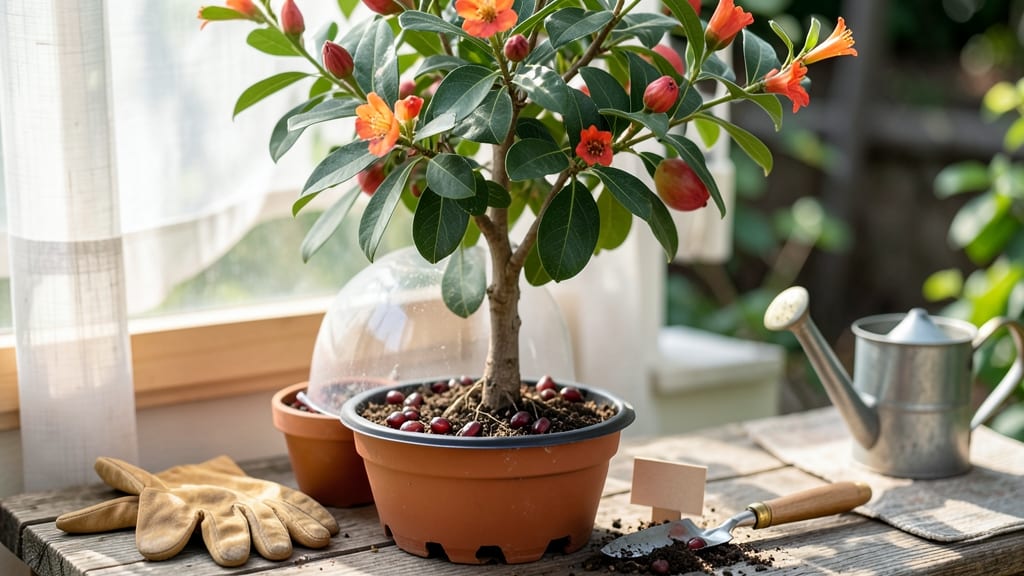
Extracting those ruby-red arils from a pomegranate is the easy part—how to seed a pomegranate easily is where most gardeners hit a wall. 🌱 I’ve struggled with this too, but after three failed attempts, I cracked the code for a no-mess technique that actually works.
The secret? Skipping the stratification drama and focusing on what pomegranate seeds really need to germinate.
You’ll need just three things: fresh seeds (not dried), a shallow container, and a warm spot. No fancy equipment, no confusing steps—just patience and a little moisture. Most seeds sprout within 2-4 weeks, though some stubborn ones take up to 8.
The key is keeping them consistently damp (not soggy) and in bright, indirect light.
What you end up with are juicy arils—but this time, they’re yours to grow into a full-sized tree. The seedlings start small, but with proper care, they’ll produce their own fruit in 3-5 years. The best part? You’ll never buy pomegranates again once you taste homegrown ones.
Works in pots or directly in the ground, and the process is foolproof—even for black thumbs. Here’s how to avoid the common pitfalls and get those seeds sprouting reliably.
📚 In This Guide
- What you need
- Instructions
- Tips and common mistakes
- Wrapping up and next steps
What you need
- ● 1 ripe pomegranate – Choose one that’s heavy for its size and has a deep red color (avoid green or soft spots!).
- ● 1 sharp chef’s knife or serrated knife – A 8-inch to 10-inch blade works best for clean cuts.
- ● 1 cutting board – A sturdy, non-slip board (preferably plastic or wood) to protect your countertop.
- ● 1 bowl of cold water – A large, deep bowl (at least 10-inch diameter) to submerge the pomegranate.
- ● 1 spoon or tongs – A slotted spoon or kitchen tongs for easy retrieval of seeds.
- ● Paper towels or a clean kitchen towel – For drying hands and cleaning up stray arils.
- ● Food processor or blender – For quick juicing if you want pomegranate pulp instead of seeds.
- ● Citric acid or lemon juice – A squeeze of lemon can help preserve fresh seeds if storing.
- ● Air-tight container – For storing seeds in the fridge (up to 5 days) or freezer (up to 3 months).
- ○ Gloves (optional) – If you’re sensitive to pomegranate stains or sticky residue.
Step-by-step instructions for extracting pomegranate seeds effortlessly
Here's the simple method I use to get perfectly clean, juicy arils every time—no mess, no stains.
💧 Step 1: Choose and Prepare Your Pomegranate
Pick a ripe pomegranate that feels heavy for its size with a deep red, slightly leathery skin. The riper the fruit, the easier the arils will separate. Cut it in half crosswise using a sharp chef's knife—place the fruit on a cutting board and press firmly to split it open along its natural seam.
Tap the cut sides together once or twice to release any remaining seeds inside. This ensures you capture every last aril without missing any hidden pockets. Real talk: the first time I skipped this, I lost a third of the seeds in the fruit's crevices.
☀️ Step 2: Soak and Separate the Arils
Place one pomegranate half in a bowl and cover it completely with room-temperature water. Let it soak for 10-15 minutes—this softens the membranes holding the arils together. You'll know it's ready when the water takes on a faint pink tint and the arils begin floating free.
Gently swirl the bowl in circular motions, then use your fingers to massage the fruit half underwater. The arils will naturally detach and rise to the surface. Don't use utensils—this step is all about gentle separation to preserve their juicy integrity.
✂️ Step 3: Strain and Rinse the Juicy Arils
Line a fine-mesh strainer with a clean kitchen towel or paper towel. Pour the soaking water and arils through the strainer, letting the water drain while catching the arils. The towel layer helps absorb any excess liquid without crushing the delicate seeds.
Rinse the arils under cool running water to remove any remaining membrane bits or pink residue. You want them clean but still plump with juice. Spread them on a clean towel to air-dry for 5-10 minutes—just until the surface looks slightly tacky but not wet.
🌱 Step 4: Store for Maximum Freshness
Transfer the dried arils to an airtight container, like a small glass jar or resealable plastic bag. Store them in the refrigerator where they'll keep their vibrant color and juicy texture for up to 2 weeks. For longer storage, freeze them on a parchment-lined tray first, then transfer to a freezer bag for up to 6 months.
Here's the thing—if you store them properly, you'll preserve that fresh-picked flavor. I like to keep a small jar in the fridge for quick snacking or garnishes, and the frozen batch for smoothies when I need a burst of tart-sweet flavor.
🪴 Step 5: Use Your Fresh Arils Creatively
Now that you've got perfectly clean arils, use them in dishes where their juicy burst shines. Sprinkle them over salads, blend them into yogurt parfaits, or use them as a vibrant garnish for cocktails. The key is to add them just before serving to maintain their crisp texture and bright color.
Don't discard the leftover pomegranate membranes—they make excellent compost! Just toss them into your compost bin where they'll break down quickly. And if you've got extra seeds, you can plant them for a future pomegranate tree (though they may take years to fruit).
Tips & tricks for perfect pomegranate aril extraction
A few simple tricks that'll save you time and frustration while keeping those arils juicy and intact.
Fruit Selection Matters: Look for pomegranates that feel unusually heavy for their size—this indicates they're packed with arils. Avoid fruits with soft spots or cracks, as these can lead to moldy arils. The deeper the red color on the skin, the more vibrant your arils will be. I've found that Persian varieties like 'Wonderful' yield the juiciest results.
Soaking Time Secret: The 10-15 minute soak in Step 2 is crucial—don't rush it! If your water doesn't develop that faint pink tint, massage the fruit more vigorously. For extra stubborn pomegranates, you can gently tap the fruit half against the bowl's edge to help loosen the arils. This technique preserves their juicy texture while making separation effortless.
Straining Technique: When straining in Step 3, use two layers of paper towel in your fine-mesh strainer for maximum absorption. This prevents soggy arils while catching every last one. I've learned the hard way that skipping this step leads to a watery mess when storing. The towel layer also helps filter out any remaining pink residue that can dull the vibrant color.
Storage Wisdom: For refrigerator storage, divide arils into small portions before sealing in airtight containers. This prevents condensation buildup that can make them soggy. When freezing, spread them in a single layer on parchment first—they'll freeze individually rather than clumping together. This makes it easy to use just what you need without thawing the whole batch.
Pro Tips for Seed A Pomegranate Easily
- A few simple tricks that'll save you time and frustration while keeping those arils juicy and intact.
- Fruit Selection Matters: Look for pomegranates that feel unusually heavy for their size—this indicates they're packed with arils.
- Soaking Time Secret: The 10-15 minute soak in Step 2 is crucial—don't rush it!
Frequently asked questions
Got questions about seeding pomegranates? We’ve got answers! Here are the most common queries to help you master the no-mess technique and enjoy those juicy arils with ease.
How long does it take for a pomegranate seed to sprout?
A pomegranate seed typically sprouts within 10–21 days if kept in warm, moist conditions. Place seeds in a sunny spot (or under grow lights) and keep the soil consistently damp. Patience is key—some seeds may take longer, especially if temperatures dip below 60°F (15°C).
Can I seed a pomegranate from store-bought fruit?
Yes! Store-bought pomegranates can be seeded, but choose organic or untreated fruit to avoid pesticides. Rinse the seeds thoroughly before planting. Just avoid seeds from pre-packaged arils (often treated to prevent sprouting) or those with artificial dyes.
What’s the best way to speed up germination?
Boost germination by soaking seeds in warm water for 24 hours before planting. Use a seed-starting mix (not regular soil) and cover seeds lightly with ¼-inch of substrate. A clear plastic dome or bag creates a humid microclimate—just remove it once sprouts appear to prevent mold.
Why aren’t my pomegranate seeds sprouting?
Common culprits: too-cold temps (below 60°F), dry soil, or old seeds. Try stratification (mixing seeds with damp sand and refrigerating for 2 weeks) if germination stalls. Also, ensure seeds aren’t buried too deep—pomegranates need light to sprout!
Can I grow a pomegranate from seed indoors?
Start seeds indoors 8–10 weeks before last frost in a sunny window or under grow lights. Use a 5-inch pot with well-draining soil. Once seedlings have 3–4 leaves, transplant outdoors after the frost risk passes. Pomegranates thrive in USDA zones 7–11.
Wrapping up and next steps
Seeding a pomegranate doesn’t have to be a messy ordeal—with the right technique, you’ll enjoy juicy arils in no time! 🌟 Remember, all you need is a ripe pomegranate, a bowl of water, and a little patience.
Whether you’re prepping for a recipe or just craving a sweet snack, this method makes the process easy and fun.
Now that you’re armed with the know-how, why not take the next step? Try experimenting with different varieties or even growing your own pomegranate tree from seeds—because once you master the art of seeding, the possibilities are endless! 🌱