
Planting
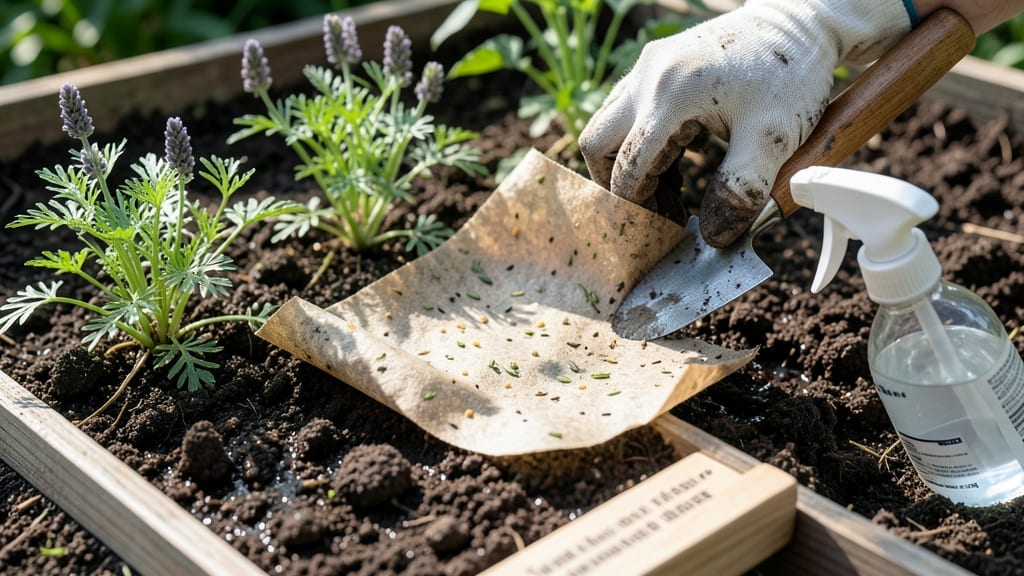
Planting wildflower seed paper turns your garden into a pollinator paradise with zero mess. 🌸 The secret lies in that delicate paper—each sheet holds hundreds of seeds waiting to sprout where you place it, no digging required.
My first attempt last spring produced dozens of blooms in just six weeks, and I'd never planted wildflowers before.
You'll need well-draining soil, a sunny spot (at least 6 hours of sunlight daily), and a gentle watering can. The best time to plant is in early spring or fall when temperatures are mild—this gives seeds time to establish roots before summer heat.
Simply soak the paper, press it into the soil, and let nature do the rest.
After planting, keep the soil consistently moist for the first 2-3 weeks—think light showers, not floods. You'll see the first green shoots within 10-14 days, and by midsummer, your garden will burst with color. The best part? These flowers attract bees, butterflies, and hummingbirds like nothing else.
For creative gardeners, seed paper makes unique gifts—plant it in pots, frame it as wall art, or even mail it to friends. The possibilities are as endless as the blooms themselves. Ready to transform a corner of your yard into a living wildflower meadow?
📚 In This Guide
- What you need
- Instructions
- Tips and common mistakes
- Wrapping up and next steps
What you need
- ● Wildflower seed paper – 1 sheet (or more, depending on your planting area). Choose a variety suited to your climate (e.g., annuals for quick blooms or perennials for long-term beauty).
- ● Water – A spray bottle (for gentle moisture) or a watering can with a fine rose attachment.
- ● Soil – Well-draining, loose soil (native soil, potting mix, or a blend of both). Avoid heavy clay unless amended.
- ● Sunlight access – A spot with 4–6+ hours of direct sunlight daily (check your seed paper’s care instructions for specifics).
- ● Garden trowel or hands – For gently pressing the seed paper into the soil.
- ● Twine or stakes – To secure the seed paper in windy areas (especially for vertical planting).
- ● Mulch or straw – A light layer to retain moisture (skip if your area gets plenty of rain).
- ○ Plant markers (optional) – Small sticks or labels to note planting dates or varieties.
- ● Check the seed paper’s planting instructions for specific timing (some prefer spring, others fall).
- ● Prepare the soil by removing weeds or debris—seed paper blooms best with minimal competition!
- ● Have a watering schedule ready: seeds need consistent moisture for the first 2–3 weeks.
Step-by-Step instructions for planting wildflower seed paper
Here's how to transform your seed paper into a vibrant, low-maintenance wildflower display that thrives with minimal effort.
🌱 Step 1: Choose Your Planting Location
Select a spot with at least 4-6 hours of sunlight daily—wildflowers need full sun to bloom their best. I always scout the area first, looking for natural openings in ground cover or slightly disturbed soil where seeds can establish easier. Avoid dense grass or heavily shaded areas unless you're planting shade-tolerant varieties like violets or woodland phlox.
Test the soil moisture by digging a small hole—if it's bone dry, your location needs supplemental watering until roots establish. The ideal planting time is early spring or early fall when temperatures are mild and rainfall is consistent. This gives seeds time to germinate before summer heat or winter frost arrives.
💧 Step 2: Prepare the Soil Surface
Gently rake the planting area to create a loose, slightly rough surface—this helps the seed paper make contact with soil while preventing it from blowing away. I use a stiff-bristled brush to create tiny furrows about ¼ inch deep where the paper will rest. Avoid tilling deeply; wildflower seeds need minimal soil disturbance to germinate naturally.
If planting in a container, mix 2 parts potting soil with 1 part perlite for drainage, then press the soil surface lightly with your fingers. The goal is firm but not compacted—just enough to hold the seed paper in place until roots develop. Water the prepared area lightly until the surface feels barely damp, like a wrung-out sponge.
✂️ Step 3: Plant the Seed Paper
Tear or cut your seed paper into 2-4 inch squares (smaller pieces bloom faster) and arrange them directly onto the prepared soil. Press each piece gently but firmly—you want contact with the soil but no buried seeds. For containers, I like to fold the edges slightly to secure them until roots take hold.
Water immediately after planting by misting the paper until it looks uniformly damp. Avoid soaking it—excess water can wash seeds away or create a soggy barrier that blocks germination. I use a spray bottle for delicate papers or a gentle watering can for larger sheets. Watch for water droplets pooling; if you see this, tilt the paper slightly to redistribute moisture.
☀️ Step 4: Maintain Until Germination
Keep the planting area consistently moist for the first 2-4 weeks—this is critical for seed germination. I set up a simple drip irrigation system or water early in the morning so moisture has time to absorb before evaporating. You'll know you're doing it right when the soil surface stays dark but not wet to the touch.
Once you see first green shoots (usually within 3-6 weeks), reduce watering to once weekly unless your area experiences drought. The paper will naturally decompose over time, but don't be tempted to remove it—it provides shade for emerging seedlings and prevents soil crusting.
🌿 Step 5: Care for Emerging Wildflowers
When seedlings reach 2-3 inches tall, thin them to 3-4 inches apart to give each plant room to grow. I use small scissors to snip excess seedlings at soil level rather than pulling, which disturbs roots. This step prevents competition and encourages stronger blooms.
Wildflowers are remarkably low-maintenance once established. Mulch lightly with ¼ inch of straw to retain moisture and suppress weeds, but avoid heavy mulch that could smother emerging plants. Watch for pests like aphids—if you spot them, blast off with a strong spray of water rather than chemical treatments, which can harm beneficial insects.
Tips & tricks for perfect wildflower seed paper planting
These simple yet game-changing insights will help you maximize your wildflower seed paper's potential and avoid common pitfalls that can stall germination.
Location Intelligence: Beyond the 4-6 hours of sunlight requirement, pay attention to wind patterns in your area. Plant seed paper in sheltered spots like the lee side of fences or under small trees where wind won't dry out the paper too quickly. I've noticed that north-facing slopes get morning sun without the intense afternoon heat that can stress young seedlings.
Soil Preparation Secret: When creating those ¼-inch furrows in Step 2, use a garden fork to gently loosen the soil just below the surface rather than raking. This creates tiny air pockets that improve moisture retention without disturbing the seed paper's delicate contact with soil. The goal is to mimic natural seedbed conditions where wildflowers thrive.
Planting Technique: For containers, I've found that placing a small piece of landscape fabric under the seed paper prevents weeds from competing with your wildflowers. Just cut holes in the fabric to allow roots to penetrate while blocking invasive grasses. This works particularly well for larger containers where weed pressure might be higher.
Germination Watch: The 2-4 week moisture window is your critical period—think of it as creating a greenhouse effect. I set up a simple DIY moisture gauge by burying a wooden skewer in the soil near your planting. If it comes out dry after 30 minutes, you need more frequent watering. This visual cue helps avoid both overwatering and underwatering during this sensitive phase.
Pro Tips for Plant Wildflower Seed Paper
- These simple yet game-changing insights will help you maximize your wildflower seed paper's potential and avoid common pitfalls that can stall germination.
- Location Intelligence: Beyond the 4-6 hours of sunlight requirement, pay attention to wind patterns in your area.
- Soil Preparation Secret: When creating those ¼-inch furrows in Step 2, use a garden fork to gently loosen the soil just below the surface rather than raking.
Frequently asked questions
Got questions about planting wildflower seed paper?
You’re not alone! Here are some of the most common questions—and straightforward answers—to help you get started with confidence.
How long does it take for wildflower seed paper to bloom?
Most wildflower seed paper blooms within 6 to 12 weeks after planting, depending on the species and weather conditions. Some varieties, like cosmos or zinnias, may flower faster (as early as 4-6 weeks), while others, like poppies, might take a little longer. Patience is key—your garden will reward you with vibrant colors once the timing is right!
Can I plant wildflower seed paper in winter?
It’s best to plant seed paper in spring or early fall when temperatures are mild and rain is more consistent. Winter planting can expose seeds to frost or uneven soil moisture, reducing germination rates. If you’re in a cold climate, wait until the last frost date has passed or plant in late fall for a spring surprise!
How often should I water seed paper after planting?
Keep the soil consistently moist (not soggy) for the first 2-3 weeks. Water lightly daily if there’s no rain, then taper off to every 2-3 days once sprouts appear. Once established, wildflowers are drought-tolerant, but young seedlings need steady hydration to thrive. A gentle misting in the morning works best!
What if my seed paper doesn’t germinate?
Don’t worry—several factors could be at play! Check for proper sunlight (most wildflowers need 6+ hours of sun), soil contact (press the paper firmly into the soil), and consistent moisture. If needed, gently scratch the paper with a rake to expose seeds. If all else fails, try planting a fresh sheet or check the seed mix’s viability date.
Can I use wildflower seed paper indoors or in containers?
Seed paper is perfect for containers, hanging baskets, or even indoor windowsills (with bright light). Use well-draining potting soil and a shallow container—wildflowers don’t need deep roots. Just ensure the pot has drainage holes to prevent rot. Bonus: Container-grown wildflowers attract pollinators to your balcony or patio!
Do I need to remove the paper after planting?
Nope! The paper is biodegradable and designed to dissolve naturally as the seeds sprout. Simply press it into the soil (or water it down if it’s dry), and let nature do the rest. The paper breaks down within a few weeks, leaving no trace—just beautiful blooms!
Wrapping up and next steps
Planting wildflower seed paper is a simple, eco-friendly way to bring beauty and life to your garden—without the fuss! 🌸 Whether you’re transforming a balcony, windowsill, or backyard, these biodegradable sheets make gardening accessible for everyone.
Now that you’re equipped with the right knowledge, go ahead and turn that blank space into a vibrant, pollinator-friendly paradise.
Ready to see your seeds bloom? Start small—plant a few sheets and watch nature work its magic! 🌱