
Planting
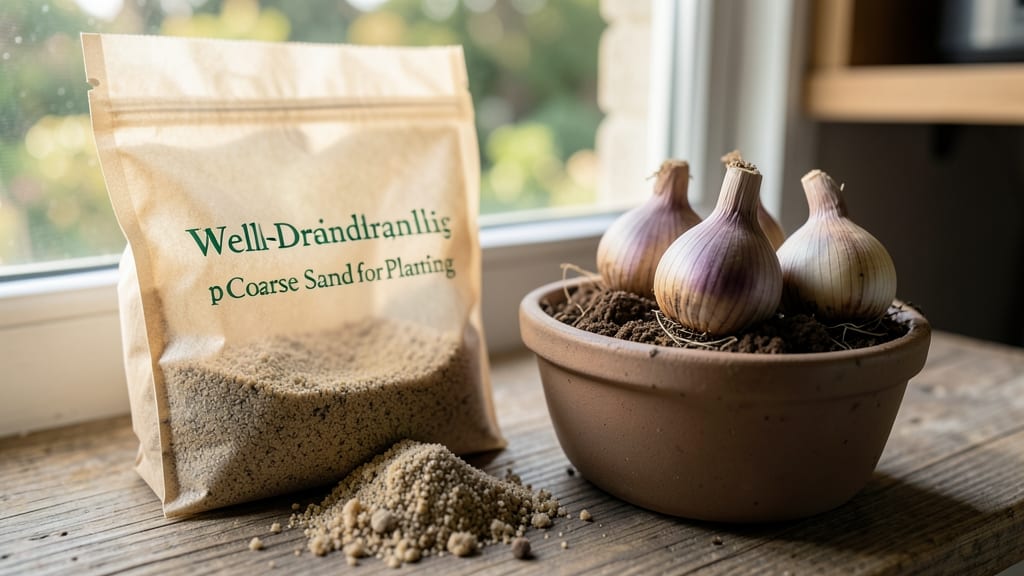
Planting hyacinth seeds isn’t like forcing bulbs—it’s a patience game with fragrant rewards. 🌱 These tiny seeds need a cold shock to break dormancy, and I’ve learned the hard way that rushing them leads to disappointment.
The secret lies in mimicking their natural winter cycle, which transforms them from stubborn little seeds into lush, blooming plants by spring.
Start with well-draining soil mixed with sand or perlite to prevent rot—hyacinths hate soggy roots. Plant seeds ½ inch deep, spaced 1 inch apart, in containers or directly in the ground after your first frost.
A 4-6 week cold treatment in the fridge (or outdoors in winter) mimics their natural dormancy, ensuring stronger sprouts when spring arrives.
Once sprouts appear, move pots to bright, indirect light and keep soil moist but not soggy. You’ll see the first true leaves in 6-8 weeks, followed by those iconic fragrant spikes by next spring.
The key? Consistency—hyacinths reward patience with clusters of blooms that perfume the air for weeks.
Troubleshooting slow starters? Check your cold treatment—some seeds need 8 weeks of chill time. Overwatering causes rot, while dry soil stunts growth. With the right timing, you’ll go from bare soil to a sea of purple, pink, or white blooms—worth every cold, dark month of waiting.
📚 In This Guide
- What you need
- Instructions
- Tips and common mistakes
- Wrapping up and next steps
What you need
- ● Hyacinth seeds – Fresh or stored seeds (ensure they’re viable; check the packet for variety details). Quantity: 10–20 seeds per pot or 1–2 seeds per planting spot if sowing directly.
- ● Seed-starting mix or well-draining potting soil – Spec: Lightweight, sterile, and amended with perlite or sand (1:1 ratio with peat or coco coir) to prevent rot.
- ● Small seed-starting pots or trays – Size: 2–3 inches deep with drainage holes (biodegradable pots work great!). Quantity: 1–2 pots per seed or a tray with individual cells.
- ● Clear plastic domes or plastic wrap – For humidity retention during germination.
- ● Spray bottle with water – To mist seeds gently without disturbing them.
- ○ Fertilizer (optional but recommended) – Type: Balanced, water-soluble fertilizer (5-10-5 or 10-10-10) or a slow-release granular fertilizer. Dosage: Half-strength when first watering seeds.
- ● Small hand trowel or spoon – For planting seeds at the right depth.
- ● Labeling tags and markers – To track seed varieties and planting dates.
- ○ Heat mat (optional) – If germinating indoors in cool climates (Spec: 70–75°F for faster sprouting).
- ● Grow lights or sunny windowsill – Light requirement: 12–16 hours of light daily after germination.
- ● Refrigerator or cold frame (for stratification) – To mimic winter conditions if seeds aren’t pre-chilled.
- ● Patience – Hyacinth seeds take 4–6 weeks to germinate and 1–2 years to bloom!
- ● Cold stratification (if seeds aren’t pre-treated) – Place pots in the fridge for 6–8 weeks at 35–45°F before sowing.
- ● Sunlight access or grow lights – Hyacinths need full sun (6+ hours/day) once transplanted outdoors.
Step-by-step instructions for planting hyacinth seeds
Hyacinths thrive when you mimic their natural cold-stratification cycle—here's how to coax those fragrant blooms from tiny seeds.
🌱 Step 1: Collect and Prepare Fresh Seeds
Harvest seeds from mature hyacinth pods only after they turn brown and split open naturally—never force them. Each pod contains 20-30 tiny black seeds, and you'll need 4-5 seeds per bulb for a full spring display. Remove seeds carefully with tweezers to avoid damaging the delicate outer coating.
Soak seeds in lukewarm water for 12-24 hours to soften the hard outer shell. This step is critical—without it, germination rates plummet. Drain well on a paper towel and let them dry slightly before planting. I like to label each batch with the harvest date, as fresh seeds germinate faster than stored ones.
💧 Step 2: Stratify Seeds for 8-12 Weeks
Hyacinth seeds require a cold stratification period to break dormancy. Mix seeds with damp sand or perlite in a sealed container, then refrigerate at 35-45°F for 8-12 weeks. Check monthly—if the mix dries out, lightly mist with water. You'll see tiny white roots emerge after 4-6 weeks; this is your signal the stratification is working.
Don't skip this step. I've tried planting unstratified seeds, and they either rot or take 2+ years to bloom. The cold period mimics winter conditions, fooling the seed into thinking spring has arrived. Use a clear container so you can monitor root development without disturbing them.
☀️ Step 3: Plant Stratified Seeds in Well-Draining Soil
Fill 4-inch pots with a mix of 50% potting soil and 50% perlite—hyacinths hate soggy roots. Plant seeds ½ inch deep, spacing them 1 inch apart in each pot. Gently press the soil around them but don't compact it. Water lightly until the surface feels damp, then place pots in a cool, bright location (like a windowsill) where temps stay between 55-65°F.
Keep the soil consistently moist but never soggy. You'll see first true leaves in 4-8 weeks, though some seeds may take longer. If leaves appear pale or leggy, your light is too weak—move pots within 2 inches of a south-facing window or under a grow light for 12-14 hours daily.
⏰ Step 4: Overwinter Seedlings for First Year
Hyacinth seedlings need 12 months of cold exposure to develop strong roots before blooming. After the first growing season, move pots outdoors to a shaded, sheltered spot in fall. Let them experience natural winter temperatures, then bring them back indoors in spring. You'll notice roots growing through drainage holes—this is normal and a sign of healthy development.
Don't rush flowering. First-year plants focus on root growth, not blooms. I've seen gardeners impatiently fertilize early, but this just stresses the seedlings. Wait until spring of the second year before applying a balanced 10-10-10 fertilizer at half-strength. Patience here pays off with fragrant clusters in years three and four.
🌿 Step 5: Transplant Mature Seedlings for Spring Blooms
After two growing seasons, transplant seedlings into 6-inch pots or garden beds with well-draining soil. Space them 4-6 inches apart in full sun to partial shade. Water deeply after transplanting, then maintain 1 inch of water weekly during active growth. You'll see flower stalks emerge in late winter or early spring of their third year.
Here's the thing—hyacinths planted from seed take 3-4 years to bloom, but the payoff is worth it. Each bulb will produce 10-20 flowers per stalk, and the fragrance lingers for weeks. Deadhead spent blooms to encourage more flowers, but leave foliage until it yellows naturally—this feeds next year's buds.
Tips & tricks for planting hyacinth seeds
Here's what I learned after years of experimenting with these finicky but rewarding seeds.
Seed Collection: Harvest seeds only when pods are completely brown and split open naturally—never cut them open. The hard outer shell protects the seed, and forcing them too early reduces germination rates. I've found that seeds harvested in late summer (August-September) germinate most reliably. Store any extra seeds in a cool, dry place until ready to use, but know they'll lose viability after about six months.
Stratification Success: The 8-12 week cold stratification at 35-45°F is non-negotiable. I've tried skipping it, and the seeds either rot or take twice as long to bloom. For better monitoring, use a clear plastic container with small drainage holes in the lid. This lets you check root development without disturbing the seeds. If you don't have a refrigerator, a cool basement or unheated garage works too—just keep temps consistent.
Lighting Strategy: During the 4-8 week germination phase in Step 3, position your pots within 2 inches of a south-facing window or under grow lights for 12-14 hours daily. Natural light is best, but if you're using artificial lights, keep them 6-8 inches above the seedlings to prevent leggy growth. I've seen seedlings stretch toward weak light sources, creating weak stems that can't support flower stalks later.
Overwintering: When moving seedlings outdoors for their first winter, choose a location with partial shade and protection from strong winds. I've had pots blow over in winter storms, which can damage delicate roots. Mark each pot with the planting date—this helps track progress as you wait for those first blooms. Remember, the roots need this cold exposure to mature properly before flowering.
Pro Tips for Plant Hyacinth Seeds
- Here's what I learned after years of experimenting with these finicky but rewarding seeds.
- Seed Collection: Harvest seeds only when pods are completely brown and split open naturally—never cut them open.
- Stratification Success: The 8-12 week cold stratification at 35-45°F is non-negotiable.
Frequently asked questions
Got questions about growing hyacinths from seeds? You’re not alone—this process can feel tricky! Below, we’ve rounded up the most common queries to help you navigate the journey from seed to fragrant bloom with confidence.
Can I grow hyacinths from store-bought bulbs instead of seeds?
While growing from seeds is rewarding, most gardeners start with bulbs for faster, more reliable blooms. Store-bought bulbs (like Dutch hyacinths) are pre-stratified and ready to plant in fall—just pop them 6 inches deep in well-draining soil. Seeds, on the other hand, take 2–3 years to mature into flowering bulbs, so they’re better for patient growers or breeding projects.
How long does it take for hyacinth seeds to sprout?
Hyacinth seeds are slow starters—don’t rush them! After cold stratification (4–6 weeks in the fridge), germination can take 4–12 weeks, depending on warmth and moisture. Keep soil consistently moist (not soggy) and place pots in a bright, indirect light spot. Patience is key—tiny green shoots may peek up sporadically before bulking up.
Why aren’t my hyacinth seedlings growing? Troubleshooting tips.
If your seedlings seem stuck, check these fixes:
Cold stratification skipped?
Hyacinth seeds need this step to break dormancy. If you missed it, try chilling moist seeds in a sealed bag for 6 weeks.
Too dark/wet?
Move pots to 6+ hours of light daily and ensure drainage—root rot is a silent killer.
Overcrowded?
Thin seedlings to 2 inches apart once they have 2–3 leaves to reduce competition.
Pests?
Watch for aphids or fungus gnats. Spray with neem oil if needed.
Do hyacinths grow back every year from seeds?
Not right away! Seeds produce leafy foliage in their first year but won’t flower until year 2 or 3. To encourage blooms faster, treat seedlings like bulbs: let foliage die back naturally after flowering, then fertilize lightly in fall. Over time, mature bulbs will multiply and return year after year—like a self-sustaining perfume garden!
Can I plant hyacinth seeds outdoors directly, or must I start indoors?
Outdoor planting is possible but risky—hyacinth seeds need consistent moisture and protection from frost. For best results, start seeds indoors 8–10 weeks before your last frost date, then transplant seedlings outdoors in spring. If you’re in a mild climate (Zone 8+), you might get away with direct sowing in fall, but use row covers to shield young plants.
Wrapping up and next steps
Planting hyacinth seeds is a rewarding journey that unlocks the magic of fragrant spring blooms! 🌸 With patience and the right techniques—like cold-stratification and well-draining soil—you’ve got everything you need to grow these stunning flowers. Remember, consistency in care (watering, light, and temperature) is key to success.
Now that you’re ready to roll up your sleeves, why not share your progress? Snap photos of your seedlings or blooms and tag #HyacinthGardener—or even better, grab a friend and start a small hyacinth patch together!
The sweetest part? Watching your garden transform into a fragrant paradise come spring. Happy planting! 🌱✨