
Planting
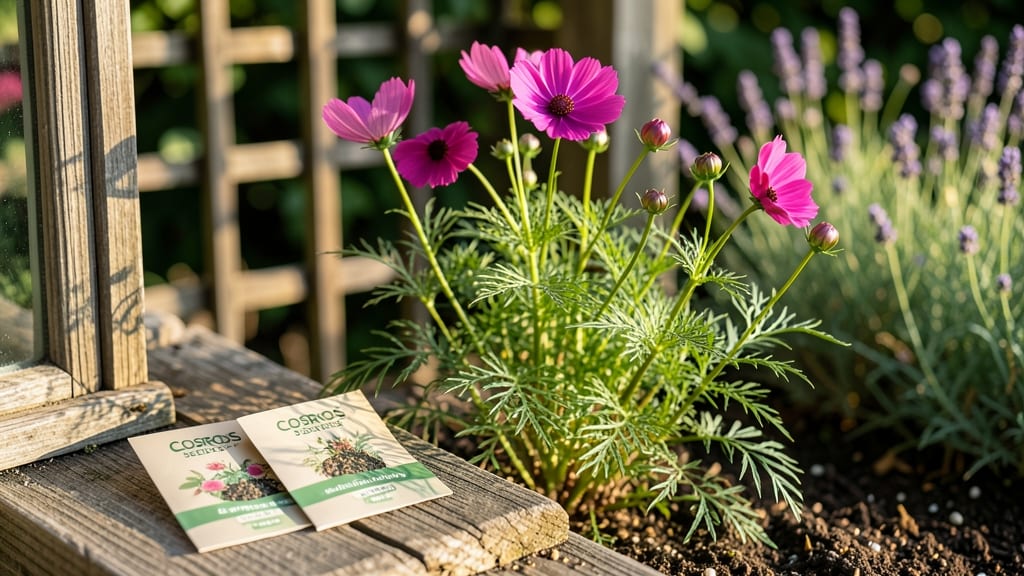
Is it too late to plant cosmos seeds in August or early September?
If your garden still feels bare as summer winds down, cosmos seeds might be the perfect late-season rescue. These cheerful 🌼 flowers can burst into color in as little as 60 days, but frost is the real deadline.
In Zone 6a, for example, waiting too long means missing out on those dreamy fall displays—unless you’re willing to take a few risks.
The key is working with your local frost dates and choosing the fastest-growing varieties. A little extra care—like prepping the soil, watering just right, and protecting seedlings—can push your cosmos to bloom well into October.
Below, I’ll walk you through the exact steps to make it happen, plus how to extend the season even further if you’re feeling ambitious.
You’ll also discover which cosmos types handle cooler temps best, how to start seeds indoors for a head start, and why companion planting with certain herbs can give your late-season blooms a serious boost. Let’s get those seeds in the ground before it’s too late!

Late-season cosmos planting deadlines by US hardiness Zones
Cosmos seeds are one of the most forgiving late-season plants you can grow, with varieties like 'Sensation Mix' and 'Bright Lights' blooming in just 45-60 days. But knowing your USDA hardiness zone is critical—plant too late in Zone 3, and frost will nip your seedlings before they sprout.
Let’s map out your exact planting windows by zone, including the countdown to first frost so you can time your seeds for maximum fall color.
For Zones 3-5, where winters are harsh, your late-season window shrinks dramatically. In Zone 3, you’ve got just 4-6 weeks before average first frost (mid-September), while Zone 5 extends that to 6-8 weeks.
That means if you’re in Chicago or Minneapolis, your last chance to sow seeds outdoors is mid-August—any later, and you’ll need to start indoors or use row covers.
Warmer zones like 6-10 offer more flexibility. In Zone 7, you can plant cosmos seeds until early October and still enjoy blooms before frost.
Meanwhile, Zones 9-10 (think Los Angeles or Miami) have no frost risk, letting you sow cosmos seeds year-round—though they’ll thrive best in fall and winter when temps are mild.
🌼Pro Tip: Use a frost-free date calculator (like the Old Farmer’s Almanac) to pinpoint your local cutoff. Even in warm zones, a light frost can damage tender cosmos seedlings, so plan for at least 60 days to bloom before your first expected frost.
| USDA Zone | Last Outdoor Sowing Date | Days to Frost | Indoor Start Alternative | Expected Bloom Time |
|---|---|---|---|---|
| Zone 3 | Mid-August | 4-6 weeks | Start indoors by July 15 | Late September |
| Zone 4 | Late August | 6-8 weeks | Start indoors by July 30 | Early October |
| Zone 5 | Early September | 8-10 weeks | Start indoors by August 1 | Mid-October |
| Zone 6 | Mid-September | 10-12 weeks | Direct sow until late Sept | Late October |
| Zone 7 | Early October | 12-14 weeks | No indoor start needed | November (light frost risk) |
| Zone 8-10 | Year-round (best in fall) | No frost risk | N/A | Blooms continuously |
If you’re in Zone 6 or warmer, you can push your luck and sow cosmos seeds in late September—just be prepared for slower growth in cooler temps.
For Zones 3-5, indoor starts are your best bet: begin seeds 6-8 weeks before your last frost date under grow lights or on a sunny windowsill. Transplant outdoors once soil temps stay above 50°F (10°C).
🌱Zone-Specific Hack: In Zone 7, try a two-phase planting strategy—sow a batch in mid-August for early fall blooms, then another in September to extend color into November. This staggered approach ensures continuous pollinator-friendly blooms and maximizes your garden’s late-season appeal.
For Zones 9-10, where frost is rare, focus on soil prep rather than timing. Cosmos thrive in poor, dry soil, but adding compost before planting will give you taller, more vibrant stems.
In these zones, you can even sow seeds in December for spring blooms—just keep them watered during dry spells.
💡Critical Reminder: Even if your zone allows late planting, avoid sowing after mid-October in most regions. Seedlings struggle to establish roots in cool, short days, and the risk of damping off (a fungal disease) skyrockets.
If you’re tempted to plant after your zone’s deadline, opt for transplants instead—they’ll establish faster and give you a head start on blooms.
To stretch your cosmos season even further, pair late plantings
How to maximize cosmos blooms when planting late: pro tips for fast growth
When summer stretches into fall and your garden still feels incomplete, cosmos seeds can be your secret weapon. These cheerful annuals thrive even when planted late, but accelerating growth requires strategic tweaks to outpace cooler temperatures.
With the right approach, you can coax 60-day blooms from seeds sown in August or September—just in time for a stunning fall display.
Your first advantage is cosmos' fast germination, which typically takes just 7-14 days. However, late planting demands warmer soil and optimal conditions to prevent sluggish growth.
The key lies in combining soil warmth, sunlight maximization, and companion planting to create an environment where cosmos can flourish despite the season's shift.
- 1. Warm the Soil: Use black plastic mulch or clear plastic tunnels to raise soil temps by 5-10°F. Cosmos seeds need 60°F+ soil for reliable germination.
- 2. Choose Fast Varieties: Opt for 'Sensation Mix' or 'Bright Lights'—these bloom in 45-55 days, giving you a head start.
- 3. Deep Watering: Soak seeds 1 inch deep daily until sprouts appear, then water at soil level to prevent fungal issues.
- 4. Sunlight Hack: Plant near reflective surfaces (like white gravel) to bounce extra light to seedlings.
- 5. Companion Plants: Pair with basil or marigolds—they repel pests and improve air circulation for healthier growth.
- 6. Fertilize Lightly: Use a 5-10-10 NPK fertilizer at half-strength 2 weeks after sprouting to avoid leggy stems.
- 7. Frost Watch: Monitor 10-day forecasts—if frost looms, harvest seeds or use row covers for 2-3 extra weeks.
Start by preparing your soil with a compost top-dressing to boost nutrients and moisture retention. Cosmos aren’t picky about soil type, but well-draining conditions prevent root rot—a common issue when late-season rains arrive.
Mix in perlite or sand if your soil feels heavy, and consider adding a slow-release fertilizer like worm castings to fuel rapid growth without overfeeding.
Once seeds sprout, thin seedlings to 12-18 inches apart to reduce competition. This spacing ensures stronger stems and more abundant blooms, which is critical when your growing window is shorter.
Prune back leggy stems by one-third to encourage bushier growth—a technique that works especially well for late plantings where daylight shortens.
To extend the blooming season, deadhead spent flowers regularly and consider succession planting every 2-3 weeks. This staggered approach guarantees a continuous display from early fall until frost.
In cooler climates (Zones 3-5), start seeds indoors 4-6 weeks before your last frost date, then transplant outdoors after soil warms to 55°F+.
With these strategies, you’ll transform late-season planting from a gamble into a reliable way to extend your garden’s beauty.
Even if frost arrives early, the seeds you sow now could reward you with weeks of vibrant blooms—proof that timing isn’t everything when you know how to work with nature’s clock. 🌼