
Planting
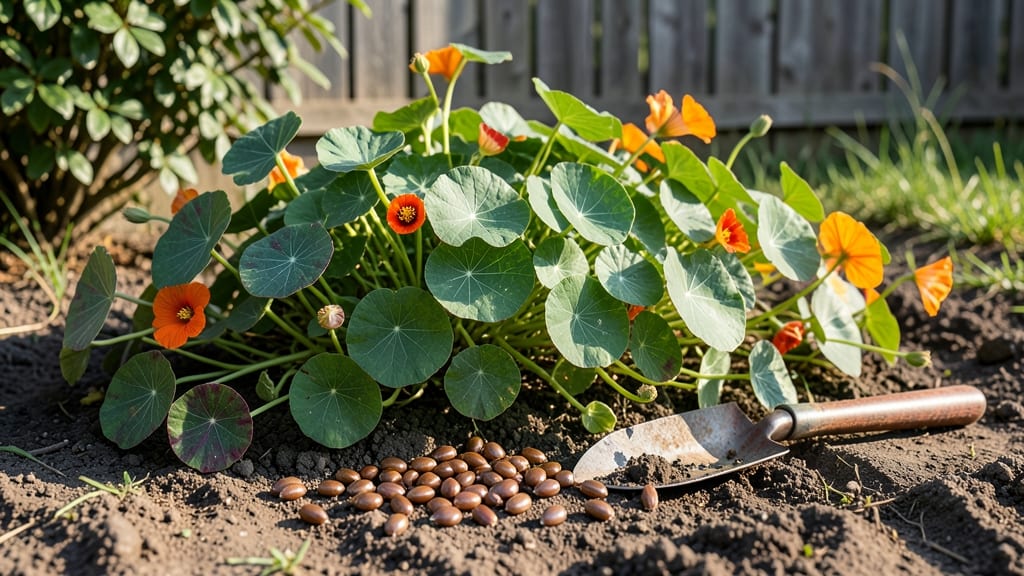
Sow nasturtium seeds after your last frost date to unlock fast blooms and a season of vibrant 🌸 flowers that repel pests naturally.
Picture this: you’ve waited all winter for gardening season, and by early May, your nasturtiums are already bursting with color—no waiting months for slow starters. But timing is everything.
Plant too early, and frost will nip those tender seedlings in the bud. Too late, and you’ll miss out on the earliest blooms of the year.
Your USDA zone dictates the perfect window—whether you’re in chilly Zone 3 or balmy Zone 10. In most areas, like my Zone 6a, March to April is the sweet spot, but Southern gardeners can stretch it into late winter.
The key? Soil that’s warm enough to encourage quick germination without smothering the seeds.
Below, I’ll break down exactly when to start sowing—indoors or outdoors—plus pro tips for successive plantings so your nasturtiums keep delivering color until frost. Ready to turn your garden into a pollinator paradise?
Optimal sowing dates by USDA hardiness zones for nasturtium blooms
Nasturtiums are one of the easiest flowers to grow, but their sowing timing varies dramatically across the USDA hardiness zones. Plant too early in cold climates, and frost will kill tender seedlings.
Sow too late in hot zones, and summer heat may stress young plants. Let’s break down the perfect sowing windows for Zones 3 through 10 to ensure vibrant blooms all season.
Nasturtiums thrive in cool to moderate temperatures, making them ideal for spring and fall planting. However, their tolerance for heat varies by variety.
In Southern zones (8-10), opt for heat-tolerant varieties like 'Empress of India' or 'Alaska', while Northern gardeners (Zones 3-6) should focus on early sowing to beat frost.
Key factors to consider when choosing your sowing date include:
- Your last frost date
- Soil temperature (seeds need at least 50°F to germinate)
- Daylight hours (longer days in spring/summer speed up growth)
- Variety selection (some tolerate heat better than others)
| USDA Zone | Ideal Sowing Window | Soil Temp (°F) | Heat Tolerance Tip | Late Sowing Option |
|---|---|---|---|---|
| 3-4 (Coldest) | Mid-April to early May (after last frost) | 50-60°F | Use row covers for early starts | None (too short season) |
| 5-6 (Cool) | Late April to mid-May | 55-65°F | Start indoors 4-6 weeks before last frost | Late July for fall blooms |
| 7 (Moderate) | Early March to April (spring) or August (fall) | 60-70°F | Choose 'Alaska' variety for heat | September for late-season color |
| 8-9 (Warm) | February-March (spring) or September (fall) | 65-75°F | Plant in partial shade in summer | October for winter interest |
| 10 (Hot) | Year-round (best in cooler months) | 70-80°F | Use 'Empress of India' for heat | November for holiday color |
In Zones 3-4, where frosts linger late into spring, aim to sow nasturtium seeds 2-3 weeks after your last frost date. These regions benefit from early succession planting—sow a second batch in late July for fall blooms before the first frost.
The key is ensuring soil temperatures stay above 50°F for consistent germination.
For Zones 5-7, you have more flexibility. Sow seeds 4-6 weeks before your last frost for spring blooms, then make a second sowing in late summer (August) to enjoy fall color.
In these zones, nasturtiums often self-seed, so you might find unexpected volunteers popping up in spring if you leave seed pods on the plant.
Southern gardeners in Zones 8-10 can sow nasturtiums nearly year-round, but timing matters for peak performance. Plant in early spring (February-March) for summer blooms, then again in late summer (September) for fall interest.
Heat-tolerant varieties like 'Empress of India' thrive in these climates, but provide afternoon shade during the hottest months to prevent bolting.
Pro tip: Use a seedling heat mat if sowing early in cool zones. This raises soil temperature 5-10°F faster than ambient air, giving you a head start on growth. For containers, choose fast-draining mixes—nasturtiums hate soggy roots and will rot if overwatered.
Remember, nasturtiums are fast growers—from seed to bloom takes just 45-60 days in ideal conditions. By aligning your sowing dates with your zone’s frost-free window, you’ll enjoy continuous blooms from early summer through fall. Happy planting!
How to extend your nasturtium season: succession planting tips
Want nonstop nasturtium blooms from spring to frost? The secret lies in succession planting, a simple technique that keeps your garden vibrant all season. Nasturtiums grow fast—just 4-6 weeks to first bloom—but their season can fade quickly if you don’t plan ahead.
By making 2-3 staggered sowings, you’ll enjoy continuous color without gaps.
Timing is everything. Start your first batch 2-3 weeks after your last frost date, then follow up with biweekly sowings every 3-4 weeks. This creates a rolling harvest of edible flowers and leaves while keeping pests at bay.
Even in hot summer months, nasturtiums can bolt, so late-season plantings help extend their lifespan.
For gardeners in cooler climates (Zones 3-6), focus on early spring and late summer sowings. In warmer zones (7-10), you can even plant year-round with minimal frost risk.
Containers are perfect for late starts—they warm up faster and let you move plants to optimal sunlight as the season progresses.
Protecting your late seedlings is key. Use row covers or cloches to shield tender sprouts from unpredictable late frosts. Even a light frost can kill young plants, so monitor your local frost forecast and act fast.
For extra insurance, start a few seeds indoors 2-3 weeks early and transplant after the danger of frost has passed.
Don’t forget to harvest regularly—pinching back spent blooms encourages new growth and longer flowering. Mix trailing and bush varieties in containers for a vertical garden effect that maximizes space. With these strategies, you’ll enjoy nasturtiums from spring to fall, even in small urban gardens or balconies.
Ready to try? Grab your seeds, mark your calendar, and watch your nasturtium season stretch longer than ever before. Your garden—and pollinators—will thank you! 🌸🌿