
Planting
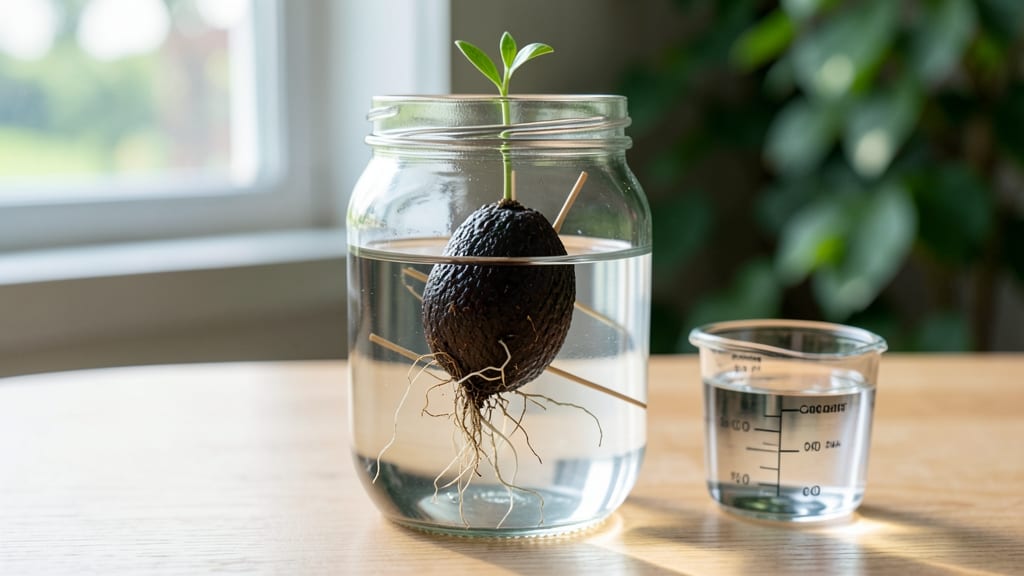
Planting an avocado seed in water is the easiest way to grow a tiny tree from your kitchen scraps. 🌱 I’ve sprouted three this way—two survived transplantation, and now they’re thriving on my windowsill with glossy leaves and a stubborn root system.
The magic happens in just 2-4 weeks, but patience is key.
All you need is a fresh avocado pit, toothpicks, a glass of water, and a sunny spot. The process is simple: remove the seed’s brown skin, suspend it over water so the bottom half stays submerged, and wait.
Most people rush this step, but keeping the water level consistent is what makes the difference between roots and rot.
Once roots reach 2-3 inches, you’ll transplant into soil—where the real growth begins. The first leaves appear within 4-6 weeks, and with proper light, your seedling could grow into a 6-foot tree in a few years. It’s a slow process, but watching those roots thicken is oddly satisfying.
Common mistakes? Overcrowding the glass or using tap water too often. Stick to filtered or distilled water, and give your seedling space to breathe. By the time you’re ready to pot it, you’ll have a foolproof little tree that’s ready to call your home its own.
📚 In This Guide
- What you need
- Instructions
- Tips and common mistakes
- Wrapping up and next steps
What you need
- ● 1 fresh avocado pit: Choose a seed from a ripe, organic avocado (the fresher, the better!). Avoid seeds from store-bought avocados treated with fungicides if possible.
- ● 1 sharp knife or peeler: For carefully removing the seed from the avocado flesh without damaging it.
- ● 1 toothpick or small skewer (3-4 inches long): To create drainage holes in the seed.
- ● 1 glass or clear jar: A tall, narrow container (like a mason jar) with a mouth wide enough to fit the seed. Aim for at least 6-8 inches in height.
- ● Water: Room-temperature or slightly warm water (about 1 cup to submerge the bottom 1-2 inches of the seed).
- ○ 1 rubber band or piece of string: To secure the seed in place (optional but helpful!).
- ● Food coloring (non-toxic): Adds a fun visual touch to track water levels.
- ● Small pebbles or marbles: Place a few at the bottom of the jar to weigh down the seed and prevent it from floating.
- ● Humidity dome or plastic wrap: Helps maintain moisture around the seed during the early stages.
- ● Grow lights or sunny windowsill: Once roots sprout, ensure your seedling gets 6-8 hours of indirect light daily.
- ● Potting soil and small pot: For transplanting once roots reach 2-3 inches long.
Step-by-step instructions for planting an avocado seed in water
Here's the simple method I've used to grow strong avocado seedlings with roots ready for planting in just a few weeks.
🌱 Step 1: Prepare Your Avocado Seed for Planting
Start with a fresh avocado pit—one that's still firm and free of soft spots. I like to use the seed from a ripe but not overripe fruit. Rinse the seed gently under warm water to remove any remaining fruit flesh, then pat it dry with a paper towel. This keeps mold at bay and ensures clean roots later.
Next, insert three toothpicks evenly around the seed, spacing them about 1 inch apart near the top. These will hold the seed steady in your glass without touching the part that will grow roots. The toothpicks should be positioned so the seed sits just above the rim of your glass—this gives roots room to grow downward without crowding.
💧 Step 2: Submerge the Seed and Maintain Water Level
Fill a clean glass jar with enough water to cover about 1 inch of the seed's bottom, leaving the top half exposed. The part that will sprout roots should be submerged, but the top should stay dry. I use a clear glass so I can monitor root growth easily—you'll see tiny white roots emerge within 1-2 weeks if conditions are right.
Change the water every 3-4 days to prevent bacterial growth, which can turn the water murky and smell foul. Fresh water also ensures roots get enough oxygen. Keep the jar in a warm spot—70-75°F works best—like a sunny windowsill or near a kitchen light. Avoid direct sunlight, which can overheat the water and stress the seed.
🌿 Step 3: Wait for Roots to Reach 2-3 Inches Long
Once roots grow to about 2-3 inches, they'll be ready for the next step. You'll know they're strong enough when they look thick and white, not thin or brown. This usually takes 2-4 weeks, depending on temperature and humidity. If roots grow unevenly, gently rotate the jar daily to encourage balanced growth.
Here's the thing—don't rush this step. Roots need time to establish before transplanting. If they're still under 1 inch, wait a few more days. Weak roots won't survive in soil, and you don't want to end up replanting a seedling later. Patience here means a healthier plant down the road.
⏰ Step 4: Transplant the Seedling into Soil
When roots reach 2-3 inches, carefully remove the seed from the water and let it dry slightly for 10-15 minutes. This prevents root rot when you plant it. Fill a small pot—4-6 inches deep—with well-draining potting mix. I like to mix in a little perlite to keep moisture balanced.
Plant the seed so the roots sit just below the soil surface, with about half the seed exposed. This is crucial—avocado seeds need light to germinate, so burying them too deep will stall growth. Water lightly after planting, then place the pot in a warm, bright spot with indirect sunlight. Keep the soil moist but not soggy, and you should see the first true leaves appear in 2-4 weeks.
☀️ Step 5: Provide Care for Healthy Growth
Once your seedling has a few leaves, move it to a location with bright, indirect light for 6-8 hours daily. Direct sunlight can scorch young leaves, so a east-facing window is ideal. Water when the top 1 inch of soil feels dry, but avoid overwatering—avocado seedlings are sensitive to root rot.
Fertilize lightly every 4-6 weeks with a balanced houseplant fertilizer diluted to half strength. You'll know your seedling is thriving when it grows 4-6 inches tall and develops 3-4 true leaves. At this stage, you can transplant it to a larger pot or directly into the ground if you're in a warm climate.
Tips & tricks for planting avocado seeds in water
Here's what nobody tells you about growing avocado roots that actually thrive—not just survive.
Seed Selection Matters: Choose seeds from avocados that are ripe but not mushy. The seed should feel heavy for its size and have no soft spots when pressed gently. I've tried using overripe seeds, and they either mold or take forever to sprout. A firm seed is your best bet for quick, healthy root growth within those 2-4 weeks.
Water Quality Tip: Use filtered or bottled water if possible, especially if your tap water has high chlorine or mineral content. I noticed my roots grew faster and stayed whiter when using filtered water—no murky brown water means less stress on the seed. Change the water every 3-4 days as instructed, but always use fresh, clean water to keep bacteria at bay.
Temperature and Light Balance: While keeping your seed in a warm spot (70-75°F) is key, avoid placing it near heat sources like radiators or direct sunlight. I learned this the hard way—my first attempt got too hot, and the water evaporated too quickly. Instead, place it in a spot with indirect light, like a kitchen counter near a window that gets morning sun. This keeps the water temperature stable and prevents stress on the seed.
Pro Tips for Plant An Avocado Seed In Water
- Here's what nobody tells you about growing avocado roots that actually thrive—not just survive.
- Seed Selection Matters: Choose seeds from avocados that are ripe but not mushy.
- Water Quality Tip: Use filtered or bottled water if possible, especially if your tap water has high chlorine or mineral content.
Frequently asked questions
Got questions?
Here are answers to the most common ones about growing an avocado seed in water—so you can troubleshoot like a pro!
How long does it take for avocado roots to grow?
Roots typically emerge in 2–4 weeks, but patience is key! Keep your seed in warm water (60–75°F) and change it every 2–3 days. If nothing happens after 6 weeks, check for rot or adjust your method.
Can I use tap water or do I need filtered water?
Tap water is fine for most cases, but if it’s heavily chlorinated or hard, use filtered or bottled water to avoid stunting root growth. Pro tip: Let tap water sit out for 24 hours to evaporate chlorine before using!
What if my avocado seed starts to rot?
Rotting is common if the seed sits too long in water. Signs: black/mushy texture, foul smell. Fix it: Remove the seed, trim any soft spots with a clean knife, and replant in fresh water or soil immediately.
When should I transfer the seed to soil?
Wait until roots are 3–6 inches long and a tiny sprout appears (usually 4–8 weeks). Use well-draining potting mix and plant halfway—roots are sensitive to overwatering. Keep soil moist but not soggy!
Can I use any avocado pit, or does it matter?
Most store-bought avocado pits will sprout, but organic, non-GMO seeds (like Hass avocados) have the best success rates. Avoid seeds from treated or overly ripe fruit—they may fail to germinate.
What if my seed doesn’t sprout at all?
Don’t worry! Try these fixes:
- Check for life: Squeeze gently—if it’s hard, it’s still viable.
- Adjust water: Use room-temperature water and ensure the seed stays half-submerged.
- Try a paper towel method: Wrap the seed in a damp towel and place it in a warm spot.
Wrapping up and next steps
Growing an avocado seed in water is a fun, rewarding project that brings a touch of green to your space—even if you’re new to gardening! 🌱 With just a little patience and care, you’ll watch those roots sprout in 2-4 weeks, proving that nature’s magic is always within reach.
Once your seedling thrives, it’s time to plant it in soil and nurture it into a full-grown avocado tree—your very own homemade plant baby!
🌿 Next Steps:
- Transfer your rooted seed to a pot with well-draining soil.
- Keep it bright (but not in direct sun) and water it gently.
- Celebrate your green thumb—you’ve just started a journey that could yield fruit someday!