
Propagation
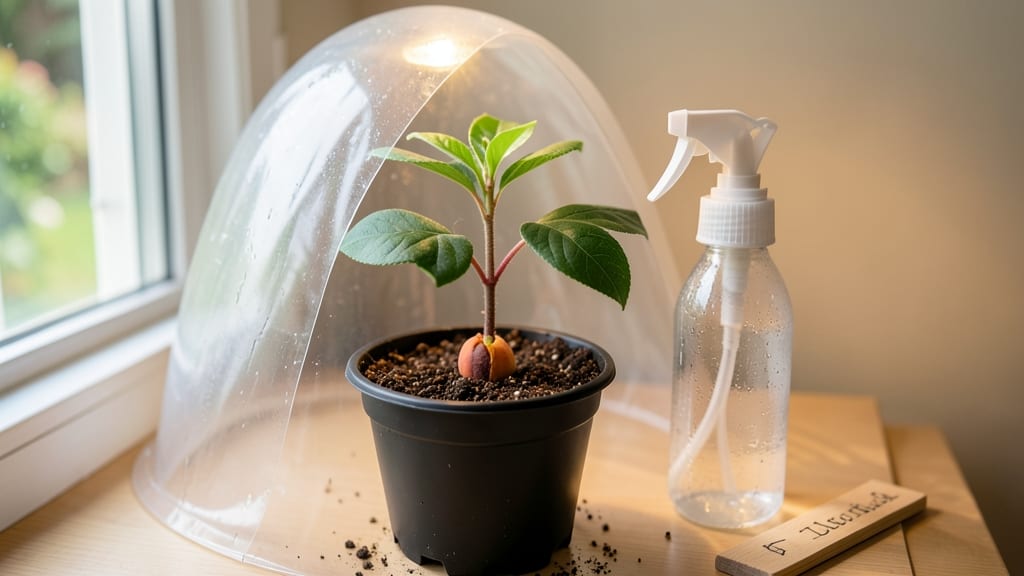
Growing a peach tree from a seed indoors starts with the right pit—one that's plump, firm, and free of cracks. 🌱 The germination process can take 3-6 months, but with the right lightweight soil mix and patience, you'll watch those first leaves unfurl like a tiny miracle.
I've learned that not all pits will sprout, but when they do, the reward is worth the wait.
The secret lies in mimicking nature's conditions: stratification (a cold period to break dormancy) followed by warmth and humidity. You'll need a small pot, a mix of potting soil and perlite, and a spray bottle to keep things moist without drowning the seed.
Most people rush this step, but taking the time ensures stronger roots and better survival rates later.
By month 4, you'll see the first true leaves—dark green and glossy—a sign your seedling is thriving. The real magic happens when you transplant it outdoors after the last frost, where it can grow into a full-sized tree.
Just remember, homegrown peach trees may take 5-7 years to bear fruit, but the journey is part of the fun.
This method works best in zones 5-9, but even if you're outside that range, the indoor phase gives you a head start. The key is consistency: keep the soil lightly moist, provide bright indirect light, and avoid overwatering.
With these basics, you're setting up your seedling for success from day one.
📚 In This Guide
- What you need
- Instructions
- Tips and common mistakes
- Wrapping up and next steps
What you need
- ● Fresh peach pit: A single, organic peach seed (avoid seeds from store-bought peaches treated with chemicals). Choose a plump, undamaged pit.
- ● Lightweight potting soil: A well-draining mix (e.g., cactus or seed-starting soil) or a blend of 50% peat moss and 50% perlite (sterilized). 1 small pot (3–4 inches in diameter) is perfect for germination.
- ● Small seed-starting pot or container: With drainage holes (e.g., a biodegradable peat pot or a plastic nursery pot).
- ● Spray bottle: For gentle watering (avoid over-saturating the soil).
- ● Plastic wrap or clear lid: To create a humidity dome (e.g., a ziplock bag with holes or a plastic clamshell).
- ● Grow light or sunny windowsill: A south-facing window or a LED grow light (12–16 hours/day) for optimal growth.
- ● Patience and warmth: A consistent 70–75°F (21–24°C) environment (e.g., near a heater or in a seedling heat mat if needed).
- ● Seedling heat mat: Speeds up germination (especially useful in cooler climates).
- ● Humidity tray: A shallow tray with pebbles and water to maintain moisture levels.
- ● Fertilizer (diluted): A balanced liquid fertilizer (5-5-5 or 10-10-10) for young seedlings (use half-strength after 4–6 weeks).
- ● Pruning shears: For trimming leggy sprouts or future transplanting.
- ● pH testing kit: To ensure soil pH is 6.0–6.5 (ideal for peach trees).
- ● Label or marker: To track planting dates and seed varieties.
Step-by-Step instructions for growing a peach tree from seed indoors
Here's how to start your peach tree journey with patience and simple tools.
🌱 Step 1: Select and Prepare the Peach Pit
Choose a fresh, plump peach pit from a ripe fruit—avoid bruised or cracked ones. Rinse it thoroughly to remove any fruit residue, then let it dry completely. The key here is to break the pit's hard outer shell without damaging the seed inside. I wrap the pit in a paper towel, place it between two heavy books, and leave it for 3-5 days—just enough pressure to crack the shell but not the seed.
Once cracked, remove the seed carefully. You'll notice a brown, papery skin surrounding it—this is the seed coat. Gently peel it away to expose the actual seed. Soak the seed in lukewarm water for 24 hours to soften it further. This step mimics natural winter stratification, which helps break seed dormancy. Don't skip it—it's what triggers germination.
💧 Step 2: Plant the Seed in a Lightweight Soil Mix
Use a small, clean container—4-6 inches deep—filled with a lightweight, well-draining soil mix. I blend equal parts potting soil and perlite to ensure good aeration. Moisten the mix until it's damp but not soggy, then make a small hole about 1 inch deep in the center. Place the seed inside, covering it with soil but leaving the top half exposed.
Water gently until the soil feels evenly moist. The goal is to keep the soil consistently damp—not wet—throughout germination. I place a plastic bag loosely over the container to retain humidity, but I remove it daily for 10 minutes to prevent mold. This balance is critical; too much moisture leads to rot, while too little stalls germination.
☀️ Step 3: Provide Warmth and Indirect Light
Peach seeds germinate best in warmth, so place the container in a spot with a consistent temperature of 70-75°F. A seedling heat mat works wonders if your home runs cooler. Avoid direct sunlight at first—the young seedling is fragile. Instead, position it near a bright, indirect light source, like a north-facing window or under a grow light set to 12 hours of light daily.
Germination can take 2-6 weeks, depending on the pit's freshness and conditions. You'll know it's working when you see a small sprout pushing through the soil. Once the first true leaves appear—those are the second set after the initial seed leaves—you can increase light exposure gradually. Watch for leggy growth; if the stem stretches too tall, it's a sign the seedling needs more light.
🌿 Step 4: Transplant and Encourage Early Growth
After the seedling develops 2-3 sets of true leaves, it's time to transplant into a slightly larger pot—6-8 inches deep. Use the same lightweight soil mix to avoid shocking the roots. Gently remove the seedling, keeping the soil intact around the roots, and place it in the new pot. Water lightly to settle the soil, then place it back in bright, indirect light.
This is where patience pays off. Peach trees grown from seed take 4-5 years to bear fruit, but the journey starts now. Keep the soil moist but not waterlogged, and fertilize lightly every 4-6 weeks with a balanced, water-soluble fertilizer once the seedling is established. You'll notice new leaves and stems forming within a few weeks—this is your reward for nurturing the young tree.
Tips & tricks for perfect indoor peach tree germination
Those first few weeks can feel like a waiting game, but these small adjustments make all the difference between success and frustration.
Seed Preparation Precision: When you're cracking that pit in Step 1, aim for a clean break—just enough to expose the seed without damaging it. I've learned the hard way that even a tiny nick can prevent germination. After the 3-5 day pressure treatment, tap the pit gently against a hard surface to help it open naturally. The 24-hour water soak is non-negotiable; it's what mimics winter's cold period that breaks dormancy. Use lukewarm water (around 75°F) to avoid shocking the seed.
Soil Moisture Balance: In Step 2, the "damp but not soggy" rule is critical. I recommend using a spray bottle to mist the soil after planting—this gives you more control than pouring water. The daily 10-minute plastic bag removal is your mold prevention strategy, but don't skip it. Too much humidity creates the perfect environment for fungal growth, while too little can dry out the seed before germination. Stick your finger about an inch deep into the soil; it should feel like a wrung-out sponge.
Light Transition Strategy: That 12-hour light requirement in Step 3 is your germination trigger. Start with indirect light, but be ready to adjust as the seedling grows. Once you see true leaves (not the initial seed leaves), gradually increase light exposure over 3-4 days. I use a small LED grow light on a timer to maintain consistency. Watch for leggy growth—this is your signal to either increase light intensity or move the seedling closer to the light source. The goal is compact, sturdy growth, not rapid stretching.
Transplanting Timing: Wait for those 2-3 sets of true leaves before transplanting in Step 4. This ensures the seedling has developed enough energy reserves to handle the stress of moving. When repotting, keep the soil ball intact—this preserves the delicate root structure. The 4-6 week fertilization schedule starts only after the seedling has established itself in its new pot. Too-early feeding can burn tender roots before they're ready to handle nutrients.
Pro Tips for Grow A Peach Tree From A Seed Indoors
- Those first few weeks can feel like a waiting game, but these small adjustments make all the difference between success and frustration.
- Seed Preparation Precision: When you're cracking that pit in Step 1, aim for a clean break—just enough to expose the seed without damaging it.
- Soil Moisture Balance: In Step 2, the "damp but not soggy" rule is critical.
Frequently asked questions
Got questions?
Growing a peach tree from seed indoors is rewarding but comes with its quirks—here are answers to the most common ones to keep your green thumb confident!
How long does it take for a peach pit to sprout indoors?
A peach seed typically germinates in 4–8 weeks indoors, depending on warmth and moisture. Patience is key—some may take up to 3 months! Keep the soil consistently damp (not soggy) and maintain temperatures between 70–80°F (21–27°C) for best results.
Will my indoor peach tree actually produce fruit?
Probably not—most seed-grown peach trees (90%) won’t bear fruit because they’re not grafted like nursery varieties. However, growing one indoors is a fantastic learning experience! If you want fruit, consider grafting later or buying a grafted tree.
What’s the best indoor light setup for a peach seedling?
Peach seedlings need 12–16 hours of bright light daily. Use a grow light (LED or fluorescent) 6–12 inches above the plant if natural light is weak. South-facing windows work, but supplement in winter to prevent leggy growth.
Why is my peach seed rotting instead of sprouting?
Overwatering or poor drainage are the top culprits! Let the top inch of soil dry out between waterings, and ensure your pot has drainage holes. If mold appears, reduce moisture and improve airflow. Pro tip: Use a lightweight, well-draining mix like the one in our article!
Can I grow a peach tree from store-bought peach seeds?
Just rinse and dry the seeds thoroughly before planting—no need for special prep. However, avoid seeds from hybrid or treated peaches (like those from grocery stores) if you want the best germination rates. Organic or homegrown seeds work best!
Wrapping up and next steps
Growing a peach tree from a seed indoors is a rewarding journey that blends patience with the magic of nature! 🌱 With the right lightweight soil mix, consistent care, and a little love, you’ve got everything you need to nurture a tiny seed into a thriving sapling.
Remember, while the process takes time, each step—from germination to transplanting—brings you closer to your own homegrown peach tree.
Ready to take the next step? Once your seedling is strong enough, research transplanting tips or explore local climate guidelines to ensure your young tree thrives outdoors. Happy growing—your future peach harvest starts now! 🍑✨