
Lawn
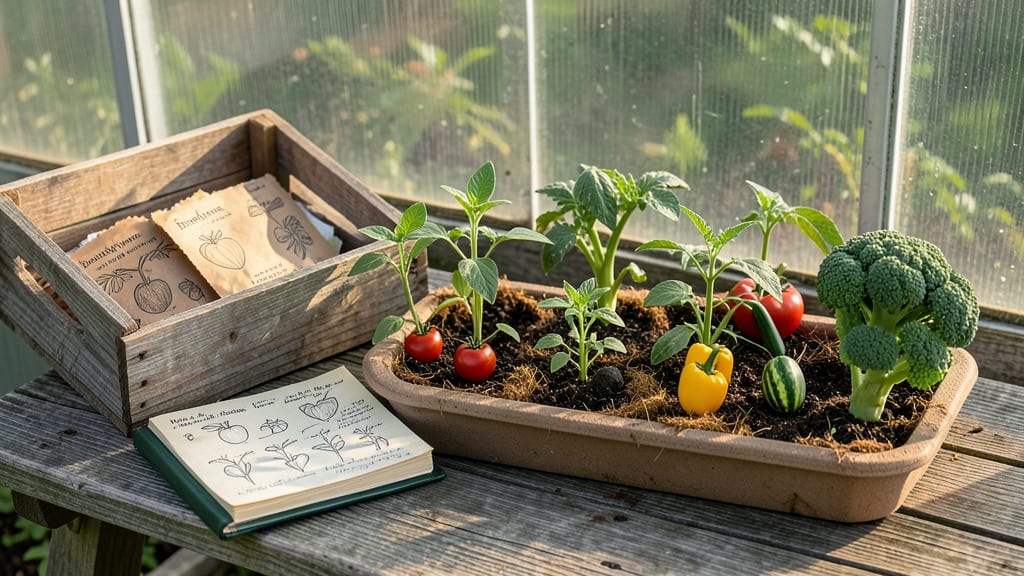
Finding heirloom vegetable seeds that actually grow true to type can feel like searching for a four-leaf clover—until you know where to look. 🌱 The right seed company transforms your garden from a generic grocery store repeat into a treasure trove of flavors and colors you won't find at the store, like 'Black Krim' tomatoes or 'Lavender Haze' peppers that taste nothing like their hybrid cousins.
What sets these companies apart isn't just their rare varieties, but their commitment to open-pollinated, non-GMO seeds that you can save and replant year after year.
I've tested seeds from a dozen sources, and the best ones offer detailed growing guides, organic certification, and even regional recommendations—so you're not guessing whether 'Cherokee Purple' will thrive in your zone.
You'll end up with plants that produce fruits with deeper flavors, better texture, and colors that make your neighbors do a double-take. The best part?
These seeds support biodiversity, cut down on chemical inputs, and let you grow varieties that have been passed down for generations—like the 'Mammoth Melting' beans my great-grandfather grew.
Whether you're a beginner saving seeds for the first time or a veteran gardener expanding your collection, these companies make it easy to find seeds that grow reliably and contribute to a more sustainable food system. Let's dive into the top sources that deliver on both quality and diversity.
📚 In This Guide
- What you need
- Instructions
- Tips and common mistakes
- Wrapping up and next steps
What you need
- ● Heirloom seeds: Purchase from trusted companies like Baker Creek Heirloom Seeds, Seed Savers Exchange, or Johnny’s Selected Seeds. Start with 1–5 seed packets per variety (e.g., 1 packet = ~50–100 seeds, depending on the plant).
- ● Seed-starting trays or pots: 2–4" deep, with drainage holes. Biodegradable peat pots (10–20 units) are great for transplanting.
- ● Potting mix: Lightweight, sterile mix (e.g., Pro-Mix or FoxFarm Seedling Mix). A 5–10 quart bag covers ~50–100 seedlings.
- ● Grow lights or sunny windowsill: 12–16 hours of light daily for seedlings. LED grow lights (e.g., Sprout Pro) work well for 6–12" setups.
- ● Watering can or spray bottle: With a fine rose nozzle for gentle watering. Misting option helps prevent seedling stress.
- ● Labels & markers: Waterproof labels (50–100) and a permanent marker to track heirloom varieties.
- ● Seedling heat mat: For cooler climates (e.g., Vivosun Heat Mat) to speed up germination.
- ● Humidity dome: Clear plastic lid for trays to retain moisture (1–2 units).
- ● Pruners or scissors: For trimming leggy seedlings or harvesting.
- ● Garden journal: To log planting dates, varieties, and growth notes.
- ● Compost or fertilizer: Organic options like fish emulsion or worm castings to boost heirloom growth.
- ● Garden space: Raised beds, in-ground plots, or containers (6"–12" deep for most veggies).
- ● Know your zone: Check the USDA Plant Hardiness Zone Map to align planting with heirloom seed packets’ guidelines.
- ● Patience & care: Heirlooms often have unique growing needs—read seed packet details!
How to choose the best heirloom vegetable seed companies
Here's my go-to approach for finding rare, high-quality seeds that deliver exactly what their catalogs promise.
🌱 Step 1: Identify Your Top 3 Priorities for Seed Quality
First, decide what matters most to you—flavor, disease resistance, or historical rarity. I always prioritize open-pollinated varieties because they save true to seed from year to year, unlike hybrids. Make a shortlist of 4-5 companies known for your priorities: Baker Creek Heirloom Seeds excels for rare varieties, while High Mowing Seeds offers excellent organic options.
Check each company's catalog for seed-saving policies. Some require you to purchase a minimum amount before allowing seed exchange. I've found that companies with active seed-saving communities (like Seed Savers Exchange) often provide the best long-term value. Write down which companies offer free seed catalogs—this saves postage and lets you compare varieties side by side.
📋 Step 2: Compare Variety Availability and Growing Regions
Look for companies that specialize in your climate zone. For example, if you're in Zone 5, avoid companies that only focus on tropical varieties. I always cross-reference seed companies with local gardening forums to see which varieties thrive in your area. Pay attention to companies that offer region-specific seed mixes—these often include heirlooms adapted to your growing conditions.
Check when each company's catalog becomes available. Most release theirs in late fall for the following growing season, but some (like Territorial Seed Company) offer year-round ordering. I recommend ordering early—popular varieties sell out fast, especially rare tomatoes and peppers. Make note of companies that offer seed swaps or discounts for returning customers—these can save you money over time.
☀️ Step 3: Evaluate Customer Reviews and Trial Reports
Spend time reading recent reviews on gardening blogs and forums. I always look for patterns—if multiple reviewers mention poor germination rates or slow growth, that's a red flag. Focus on reviews from gardeners in your climate zone, as growing conditions vary dramatically. Companies like Seed Savers Exchange provide trial reports from their members, which give you real-world performance data.
Check if the company participates in seed trials or offers free seed samples. This lets you test varieties before committing to larger orders. I've used free samples to discover new favorites like 'Black Krim' tomatoes and 'Cherokee Purple' beans. Also, look for companies that offer money-back guarantees—this shows confidence in their products and protects you from poor-quality seeds.
💰 Step 4: Calculate Total Costs Including Shipping and Storage
Compare pricing per seed packet, not just the total order amount. Some companies offer bulk discounts, while others charge extra for shipping. I always factor in long-term storage costs—heirloom seeds often last multiple seasons, so buying in bulk can save money. Calculate whether a company's subscription model (like Baker Creek's) provides better value than one-time purchases.
Pay attention to shipping methods and times. Some companies offer free shipping on orders over $50, while others charge extra for expedited delivery. I recommend ordering seeds early in the season to avoid last-minute shipping delays. Also, check if the company offers seed storage advice—properly stored seeds maintain viability longer, which is especially important for rare varieties.
✂️ Step 5: Verify Company Reputation and Ethical Practices
Research how long each company has been in business. Established companies like Johnny's Selected Seeds have decades of experience and reliable seed quality. Check if the company participates in seed conservation efforts—some donate portions of profits to seed banks or preservation programs. I prefer companies that are transparent about their sourcing and breeding practices.
Look for companies that offer educational resources—growing guides, videos, and forums help you get the most from your seeds. Also, verify if they have a clear return policy—this protects you if seeds arrive damaged or don't germinate. I always read the fine print on seed-saving agreements, as some companies restrict how you can share saved seeds from their varieties.
Tips & tricks for selecting rare heirloom vegetable seeds
Finding the perfect heirloom seed company takes more than just browsing catalogs—it's about strategy and knowing what to look for.
Prioritize Seed-Saving Policies: Always check if a company allows seed exchange or saving from their varieties. Some companies like Seed Savers Exchange have generous policies, while others restrict how you can use saved seeds. I've learned the hard way that some companies require you to purchase a minimum amount before allowing seed exchange—always read the fine print. This ensures you can continue growing your favorite varieties year after year without legal issues.
Climate Zone Specialization: Not all seed companies understand your growing conditions. Look for companies that offer region-specific seed mixes tailored to your hardiness zone. For example, if you're in Zone 7, avoid companies that only focus on tropical varieties. I've had great success with companies like Territorial Seed Company, which specializes in varieties adapted to specific climates. This targeted approach saves you from trial-and-error with unsuitable plants.
Leverage Free Samples and Trial Reports: Many reputable companies offer free seed samples or participate in seed trials. I've discovered some of my favorite varieties—like 'Black Krim' tomatoes and 'Cherokee Purple' beans—through these programs. Always take advantage of free samples before committing to larger orders. Also, check for trial reports from other gardeners in your area—they provide real-world performance data that catalog descriptions often miss.
Compare Long-Term Value: Beyond the initial purchase price, consider long-term costs. Buying in bulk can save money, but only if the seeds maintain viability. Look for companies that offer seed storage advice—they often provide tips on proper storage conditions to extend seed life. I've found that companies with subscription models (like Baker Creek) often provide better value over time through discounts and exclusive varieties.
Pro Tips for Heirloom Vegetable Seed Companies
- Finding the perfect heirloom seed company takes more than just browsing catalogs—it's about strategy and knowing what to look for.
- Prioritize Seed-Saving Policies: Always check if a company allows seed exchange or saving from their varieties.
- Climate Zone Specialization: Not all seed companies understand your growing conditions.
Frequently asked questions
Got questions about heirloom vegetable seeds?
You’re not alone! Here are answers to the most common queries to help you get started with rare, flavorful varieties for your garden.
What makes heirloom seeds different from hybrid or GMO seeds?
Heirloom seeds are open-pollinated, meaning you can save and replant them year after year. Unlike hybrids (which may not produce true-to-type seeds) or GMOs (genetically modified), heirlooms retain their original traits and often boast superior flavor, nutrition, and biodiversity. Plus, they’re non-patented, so you can share or save seeds freely!
When is the best time to order heirloom seeds?
Most companies recommend ordering 6–8 weeks before your last frost date to ensure timely delivery. Early spring is ideal for cool-season crops (like lettuce or peas), while summer orders work for heat-loving varieties (tomatoes, peppers). Check your seed packet’s planting timeline—some heirlooms need longer germination or growth periods than hybrids.
Are heirloom seeds more expensive than conventional seeds?
Yes, heirloom seeds often cost more per packet due to their rarity, labor-intensive growing methods, and smaller-scale production. However, you’ll save money long-term by saving seeds yourself! Many companies offer bulk discounts or seed swaps. Think of it as an investment in unique flavors and garden legacy.
Can I save seeds from heirloom vegetables to replant next year?
One of the biggest perks of heirlooms is seed-saving. After harvesting, let a few vegetables (like tomatoes or beans) fully ripen on the plant, then dry and store the seeds. Follow basic seed-saving guidelines (e.g., isolate plants to avoid cross-pollination) for the best results. Just avoid saving seeds from hybrids—they won’t grow true to type.
What’s the best heirloom seed company for beginners?
Start with user-friendly companies like Baker Creek Heirloom Seeds (huge variety) or Seeds of Change (organic-focused). They offer detailed growing guides, seed-saving tips, and beginner-friendly options. Look for reviews highlighting ease of germination and customer support—critical for first-timers!
Wrapping up and next steps
Choosing heirloom vegetable seed companies is a rewarding way to bring rare, flavorful, and historically rich produce to your garden. These seeds not only preserve biodiversity but also offer a taste of tradition and sustainability.
Whether you're a seasoned gardener or just starting, exploring these companies can inspire creativity and connect you to the roots of your food.
🌱 Ready to grow? Start small—pick a few heirloom varieties, order your seeds, and let your garden become a living piece of history! Happy planting! 🌿