
Lawn
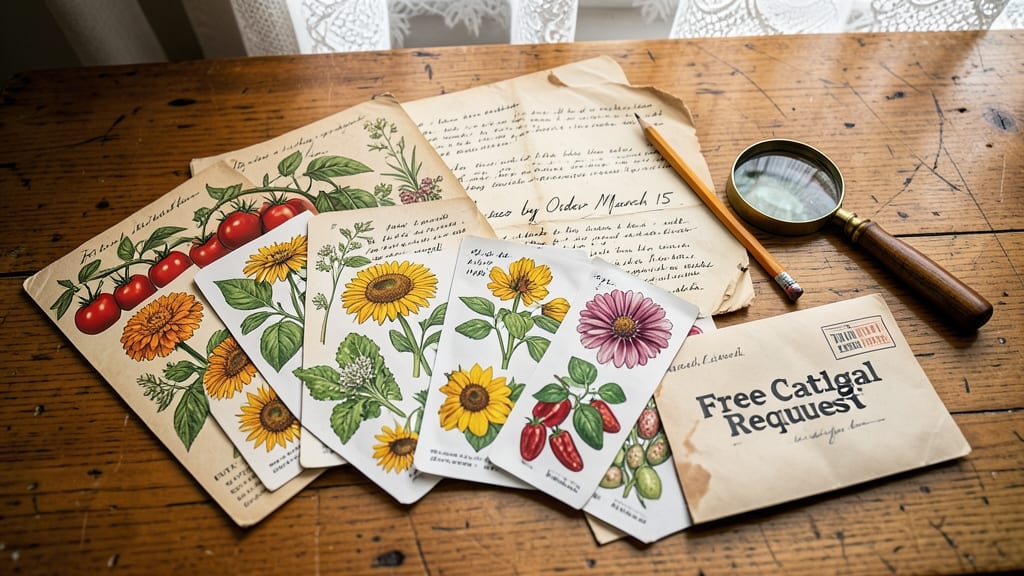
Free garden seed catalogs unlock varieties you’ll never find at the store. 🌱 I’ve used them for years to discover heirloom tomatoes, disease-resistant beans, and flowers that bloom all summer—without spending a dime. These catalogs aren’t just seed lists; they’re planting guides, growing tips, and inspiration all in one.
The best part? You get expert advice on spacing, sunlight needs, and when to start seeds indoors. My favorite catalogs include detailed planting charts for my zone, so I know exactly when to sow each crop.
Some even offer free seeds just for requesting the catalog—it’s like getting a gift for gardeners. You’ll leave with a clear planting schedule, variety comparisons, and confidence to try new crops. The catalogs help avoid common mistakes like overcrowding or choosing varieties that don’t thrive in your climate.
Plus, many include organic and heirloom options you won’t find elsewhere. Start with reputable sources like Baker Creek Heirloom Seeds or Seed Savers Exchange—both offer free catalogs with no obligation. Just follow their planting guides, and you’ll have a garden that’s both productive and uniquely yours.
📚 In This Guide
- What you need
- Instructions
- Tips and common mistakes
- Wrapping up and next steps
What you need
- ● Computer, tablet, or smartphone – For browsing and downloading free seed catalogs (Wi-Fi recommended!).
- ○ Printer (optional but handy) – If you prefer physical copies of catalogs or planting guides (ink-friendly!).
- ● Notebook or digital notes app – To jot down seed varieties, planting dates, and garden layouts.
- ● Highlighters or sticky notes – For marking favorite seeds, heirloom varieties, or must-try plants.
- ● Seed-starting supplies (if applicable) – Seed trays or small pots (50+ for bulk starting)
- ● Seed-starting mix (sterile, peat-based or coconut coir)
- ● Grow lights or a sunny windowsill (south-facing preferred)
- ● Garden planner app or graph paper – For sketching your layout (try free tools like Garden Planner or Planter).
- ● Seed storage containers – Airtight jars or envelopes to keep saved seeds organized.
- ● Garden journal – To track seed sources, germination rates, and harvest notes.
- ● Local seed swap group access – For trading seeds with fellow gardeners (check Facebook or Meetup!).
How to get the most out of free garden seed catalogs
These catalogs are treasure troves of inspiration—here's how to use them like a pro.
📖 Step 1: Identify Your Growing Zone and Season
First, locate your USDA Plant Hardiness Zone on the catalog's zone map—this determines which seeds will thrive where you live. Most catalogs include a color-coded zone finder in the back. Circle seeds labeled for your zone or marked "heirloom" (often zone-adaptable).
Next, check the planting calendar. Some catalogs include a monthly planting guide showing when to start seeds indoors versus direct-sowing outdoors. I always highlight my region's last frost date in red—this tells me when to move seedlings outside. Don't skip this step: planting too early risks frost damage, while waiting too long shortens the growing season.
🌱 Step 2: Compare Varieties and Select Your Top Picks
Catalogs often feature exclusive varieties you won't find in stores. Look for "new introductions" or "signature seeds" that catch your eye. I like to make a shortlist of 4-6 plants—this prevents overwhelm and keeps costs manageable. Pay attention to maturity days: faster-growing varieties work better in shorter seasons.
Check the "days to maturity" label for each variety. If you live in zone 5 and want tomatoes, pick a variety that matures in 70-80 days—that gives you enough time before fall frost. I also note whether seeds are hybrid (F1) or heirloom, as this affects flavor, saving seeds, and disease resistance. Don't assume hybrids are always better—some heirlooms have superior taste.
📝 Step 3: Note Planting Depths, Spacing, and Care Tips
Every seed packet in catalogs includes planting details, but I find the catalog's planting guides more comprehensive. Look for sections on seed depth—planting too deep delays germination, while planting too shallow risks drying out. I underline the spacing requirements for each plant type to visualize my garden layout.
Catalogs often include care calendars showing when to fertilize, water, and harvest. I transfer this info to a simple spreadsheet with columns for variety, planting date, and key milestones. This prevents me from missing critical steps like side-dressing tomatoes at 3 weeks after transplanting or thinning carrots to 2 inches apart. I also note companion plants—like basil with tomatoes—to maximize space and deter pests.
⏰ Step 4: Plan Your Order Timeline
Most seed catalogs have strict ordering deadlines. I mark these dates on my calendar with reminders for 2-3 weeks before the cutoff—this gives time to decide, check inventory, and avoid last-minute shipping delays. Some catalogs offer "early bird" discounts if you order before a certain date, so I prioritize those.
Check shipping times too. If you're ordering in late winter for spring planting, allow 2-3 weeks for delivery. I've learned the hard way that seeds arriving too late mean missed planting windows. For rare or limited-edition seeds, I order even earlier. Once your order arrives, I immediately store seeds in a cool, dark place until planting time to maintain viability.
🌿 Step 5: Organize Your Seeds for Planting Success
When seeds arrive, I sort them by planting month using the catalog's recommended schedule. I store each variety in its original packet with the planting instructions still attached—this saves time later. For large orders, I use a seed organizer with labeled compartments for each month.
I also note any special instructions from the catalog, like soaking beans overnight or chilling carrots before planting. Some catalogs include planting diagrams showing ideal garden layouts. I sketch these in my garden journal to plan raised beds or in-ground sections. This step ensures I won't forget critical details when the planting rush arrives.
Tips & tricks for maximizing your seed catalog experience
These practical strategies will help you turn seed catalogs into a year-round gardening roadmap.
Zone Mapping Pro Tip: Many catalogs include interactive zone finders online—use these to verify your exact zone before ordering. I've found that some catalogs list slightly different zones for specific varieties, so cross-reference with the USDA's official map. This small step prevents wasted money on seeds that won't thrive in your climate.
Variety Selection Strategy: When comparing maturity days, calculate your average first frost date and subtract the days to maturity to determine your harvest window. For example, if your first frost is October 15 and you want tomatoes in zone 5, aim for varieties that mature in 70-80 days. I keep a simple chart showing which varieties work best for my season, which saves decision-making time later.
Organizational System: Create a planting timeline spreadsheet using the catalog's recommended dates. Include columns for indoor start dates, transplant dates, and harvest windows. I color-code by plant family (red for nightshades, blue for brassicas) to visualize companion planting opportunities. This visual system helps me spot potential pest issues before they arise.
Catalog Extras: Don't overlook the bonus content in seed catalogs—many include articles on seasonal gardening, pest control tips, and even recipes using homegrown produce. I save these pages in a dedicated folder and refer back to them throughout the growing season. Some catalogs even offer free seed samples with orders, which is a great way to test varieties before committing to bulk purchases.
Pro Tips for Free Garden Seed Catalogs
- These practical strategies will help you turn seed catalogs into a year-round gardening roadmap.
- Zone Mapping Pro Tip: Many catalogs include interactive zone finders online—use these to verify your exact zone before ordering.
- Variety Selection Strategy: When comparing maturity days, calculate your average first frost date and subtract the days to maturity to determine your harvest window.
Frequently asked questions
Got questions about free garden seed catalogs? You’re not alone! Here are answers to the most common queries to help you get started with confidence.
Where can I find free garden seed catalogs online?
Many reputable seed companies—like Burpee, Park Seed, and Johnny’s Selected Seeds—offer free digital catalogs on their websites. Local nurseries, gardening clubs, and even libraries sometimes provide printed copies too. Pro tip: Check their websites in late winter or early spring for the latest editions!
When is the best time to order seeds from a catalog?
Timing depends on your climate and what you’re growing! For cool-season crops (like lettuce or peas), order in early spring. Warm-season plants (tomatoes, peppers) should be ordered 4–6 weeks before your last frost date. Pro tip: Use a frost date calculator to plan ahead—don’t wait until the last minute!
Are free seed catalogs really free, or are there hidden costs?
Most free catalogs are just that—free! However, some companies may include small shipping fees for printed copies or upsell seeds/accessories. Always read the fine print. Pro tip: Stick to digital versions to avoid unexpected charges, and watch for promo codes for discounts on seeds.
Can I trust the seeds listed in free catalogs?
Yes! Established seed companies test their varieties for quality, disease resistance, and performance. Look for catalogs from well-known brands with positive reviews. Pro tip: Check for heirloom, organic, or non-GMO labels if those matter to you—many catalogs highlight these traits!
What if I don’t want to grow everything from seed?
No problem! Free seed catalogs often include tips for transplanting seedlings or suggest companion plants to maximize your garden space. You can also mix seeds with nursery-bought plants. Pro tip: Use catalogs as inspiration—pick 2–3 seeds to start and expand next year!
What do I do if my seeds don’t germinate?
First, check storage conditions—seeds need a cool, dry place. Test viability by soaking a few in water; if they sink, they’re likely good. Adjust planting depth (usually 2–3x seed size) and moisture levels. Pro tip: Keep a seed-starting journal to track varieties and conditions for future success!
Wrapping up and next steps
Exploring free garden seed catalogs is your gateway to discovering unique plant varieties, expert planting tips, and sustainable gardening—all without breaking the bank! 🌱 Whether you're a seasoned green thumb or just starting, these resources empower you to grow with confidence and creativity.
Now that you know where to find them and how to make the most of them, it’s time to take action.
Your Next Step: Start Planning!
- Pick a catalog that excites you and order your free seeds today.
- Sketch a simple garden layout or mark your planting zones.
- Set a reminder to track planting deadlines and seasonal care.
Your dream garden is just a seed away—let’s grow something amazing together! 🌿