
Propagation
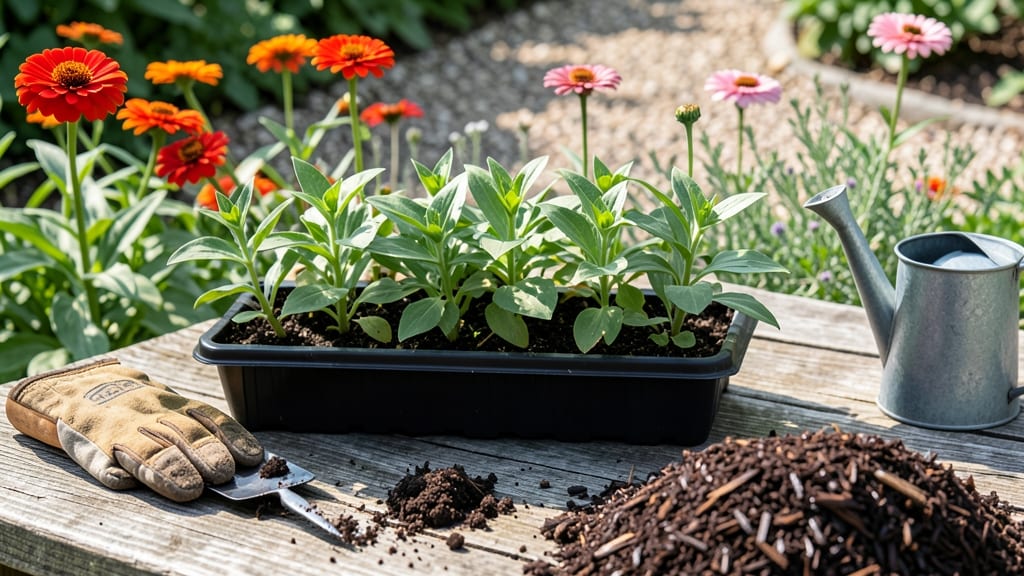
Growing zinnias from seed outdoors means bold, sun-drenched blooms in just 60 days—no twisty stems or floppy plants here. 🌻 I’ve watched these cheerful flowers go from tiny specks in the soil to towering displays of color, and the secret lies in getting the timing and spacing right from day one.
The key is planting after your last frost when soil stays above 55°F, then spacing seeds 6-12 inches apart to give them room to grow. Too crowded, and you’ll end up with leggy, weak plants; too far apart, and you’ll waste space.
A sunny spot with 6+ hours of direct light is non-negotiable—zinnias thrive where others fade. Once they sprout, consistent watering at the base (not overhead) keeps them sturdy, and deadheading spent blooms extends the season. By mid-summer, you’ll have a neighborhood-stopping display that hummingbirds can’t resist.
Works in any sunny garden bed, from containers to full sun patches. Here’s how to skip the struggle and get straight to those blooms.
📚 In This Guide
- What you need
- Instructions
- Tips and common mistakes
- Wrapping up and next steps
What you need
- ● Zinnia seeds: Choose disease-resistant varieties like Benary’s Giant or Profusion. Buy 10-20 seeds per plant for optimal spacing.
- ● Well-draining potting mix: A seed-starting mix (1-2 gallons) with perlite or vermiculite for aeration.
- ● Containers or seed trays: Biodegradable pots (2-3 inches deep) or cell trays (50+ cells) for seedlings.
- ● Garden soil: Loose, fertile soil (amended with compost) for transplanting. Aim for 1-2 cubic feet per plant.
- ● Watering can or spray bottle: A gentle spray nozzle to avoid disturbing seeds.
- ● Plant labels: Small stakes or markers to track varieties.
- ○ Gloves: Protect your hands from soil and thorns (optional but recommended!).
- ● Trowel or transplanting tool: For digging small holes (6 inches deep) when moving seedlings.
- ● Fertilizer (low-nitrogen): A balanced 10-10-10 or organic option like fish emulsion (1 tbsp per gallon of water).
- ● Mulch (straw or shredded leaves): To retain moisture and suppress weeds (1-2 inches thick).
- ● Sunlight: A sunny spot (6+ hours of direct light daily) for both seedlings and mature plants.
- ● Warmth: Soil temps above 55°F (13°C)—zinnias hate cold!
- ● Patience: Germination takes 7-14 days, and blooms appear in ~60 days.
Step-by-step instructions for growing zinnias from seed outdoors
Here's the foolproof method I use to get vibrant zinnias blooming in just 60 days.
🌱 Step 1: Prepare the Soil and Plant Seeds Directly
Zinnia seeds germinate best in warm soil, so wait until after your last frost when nighttime temperatures stay above 55°F. Choose a sunny spot—they need 6-8 hours of direct sun daily for those bold blooms. Work the soil to a depth of 12 inches, removing any weeds or debris. The soil should be loose and well-draining; zinnias hate soggy feet.
Scatter seeds ¼ inch deep and 12-18 inches apart for single plants, or 6-8 inches apart if you're planting in clusters. I like to sprinkle them in rows for easier thinning later. Gently press the soil over the seeds—don't cover them too deeply, or they'll take forever to sprout. Water lightly right after planting to settle the soil.
💧 Step 2: Keep Soil Moist Until Germination
Zinnia seeds germinate best in consistently moist soil, but don't drown them. Water gently every 2-3 days until you see the first true leaves—those are the little green leaves that come after the initial seed leaves. You'll know moisture is right when the soil surface looks slightly damp but not glistening. Overwatering now will cause seeds to rot before they sprout.
Once seedlings emerge, water at the base of the plants rather than overhead. This prevents fungal diseases like powdery mildew, which loves to hitch a ride on wet leaves. I like to use a watering can with a narrow spout to direct the water exactly where it's needed.
☀️ Step 3: Thin Seedlings for Stronger Growth
When seedlings are about 2 inches tall and have their first true leaves, it's time to thin them. Use scissors to snip the weakest seedlings at soil level, leaving the strongest plant in each spot. This might sound harsh, but crowded zinnias grow leggy and produce fewer blooms. Space remaining plants 12-18 inches apart for single stems or 8-10 inches apart for bushier varieties.
Thinning now also improves air circulation around the plants, which reduces the risk of fungal diseases. You'll see the difference immediately—the remaining plants will stand up straighter and start putting energy into growing strong roots and stems instead of competing with neighbors.
✂️ Step 4: Deadhead and Fertilize for Continuous Blooms
Start deadheading when the first flowers begin to fade. Simply pinch off the spent blooms just above a set of leaves or a new bud. This encourages the plant to produce more flowers instead of setting seed. I do this every 2-3 days during peak bloom time, and it keeps my zinnias looking fresh for weeks longer than they would otherwise.
Feed your zinnias with a balanced fertilizer (like 10-10-10) every 4-6 weeks during the growing season. Too much nitrogen will give you lots of leaves but few flowers, so follow the package instructions carefully. I like to mix the fertilizer into the soil around the base of the plants rather than applying it to the leaves, which can cause burns.
🌿 Step 5: Watch for Pests and Diseases
Zinnias are generally pest-resistant, but keep an eye out for aphids, spider mites, and Japanese beetles. If you spot any of these, blast them off with a strong spray of water or use an insecticidal soap. I've found that a weekly spray of neem oil keeps most pests at bay without harming the plants or beneficial insects.
Powdery mildew is the most common disease, and it shows up as a white, powdery coating on the leaves. To prevent it, water in the morning so the leaves have time to dry out during the day. If you do see mildew, remove the affected leaves immediately and treat the plant with a fungicide. With good air circulation and proper watering, you can usually avoid this issue entirely.
Tips & tricks for growing zinnias from seed
These simple tricks will help you grow zinnias that burst with color and thrive all season long.
Timing is Everything: Plant your zinnias after your last frost when nighttime temperatures stay above 55°F—this is non-negotiable for germination. I've learned the hard way that planting too early can leave seeds sitting in cold soil for weeks, waiting for the right conditions. Use a soil thermometer if you're unsure; the seeds won't sprout until the soil reaches at least 60°F. This warm soil requirement is why I always wait until late spring in my zone 5 garden.
Sunlight Strategy: Zinnias need those 6-8 hours of direct sun daily, but here's what nobody tells you—morning sun is your best friend. Plant them where they'll get sunlight from 8 AM until at least noon. Afternoon sun can be intense, especially in summer, and might stress the plants. If you're in a hot climate, provide some afternoon shade during the hottest months to prevent leaf scorch while still giving them plenty of morning light.
Thinning Technique: When it's time to thin your seedlings to 12-18 inches apart, I recommend using sharp scissors instead of pulling. Tugging can damage the roots of nearby plants. Cut at soil level and remove the weakest seedlings completely—don't leave stubs. This might seem cruel, but those extra plants would just compete with your keepers for water and nutrients. The remaining plants will thank you with stronger stems and more abundant blooms.
Deadheading Discipline: That 2-3 day deadheading schedule makes all the difference. I set a reminder on my phone for every Tuesday and Friday during bloom season. When you see the first signs of wilting on a bloom, that's your cue to pinch it off. The key is to cut just above a set of leaves or a new bud—this tells the plant to redirect its energy to producing more flowers instead of seeds. This simple habit can extend your blooming season by 3-4 weeks!
Pro Tips for Growing Zinnias From Seed Outdoors
- These simple tricks will help you grow zinnias that burst with color and thrive all season long.
- Timing is Everything: Plant your zinnias after your last frost when nighttime temperatures stay above 55°F—this is non-negotiable for germination.
- Sunlight Strategy: Zinnias need those 6-8 hours of direct sun daily, but here's what nobody tells you—morning sun is your best friend.
Frequently asked questions
about growing zinnias from seed outdoors—because even the boldest blooms start with the right know-how!When is the best time to plant zinnia seeds outdoors?
Plant zinnia seeds directly outdoors after the last frost when soil temperatures reach at least 60°F (15°C). In most regions, this falls between mid-April to June, depending on your climate zone. Zinnias thrive in warm soil, so avoid early planting—they won’t sprout until conditions are just right!
How long does it take for zinnia seeds to germinate?
Zinnia seeds typically germinate in 7–14 days after planting. Keep the soil consistently moist (but not soggy) and place the seeds in a sunny spot. If germination takes longer than two weeks, check for too-cold soil or overwatering, which can delay sprouting. Patience pays off—those first green shoots are worth the wait!
What should I do if my zinnia seedlings get eaten by pests?
Zinnia seedlings are tasty treats for slugs, snails, and cutworms. Use organic deterrents like diatomaceous earth, beer traps (bury a shallow dish of beer near plants), or handpick pests in the evening. For severe infestations, try row covers until seedlings are established. Healthy, thriving zinnias are less appealing to pests—so keep them well-watered and in full sun!
Can zinnias survive a light frost?
Nope! Zinnias are tender annuals and cannot tolerate frost. If a late frost is forecast, cover young seedlings with a frost cloth or move potted plants indoors temporarily. Once temperatures drop below 32°F (0°C), zinnias will suffer damage or die. Plan your planting schedule to avoid this—bold blooms need warmth to shine!
Are there any low-maintenance zinnia varieties for beginners?
Try ‘Benary’s Giant’ (tall, sturdy stems) or ‘Profusion Series’ (compact, disease-resistant, and prolific bloomers). Both are beginner-friendly, drought-tolerant once established, and require minimal deadheading. For extra ease, opt for ‘Thumbelina’—tiny but mighty, perfect for containers or small gardens!
Why aren’t my zinnias blooming?
Zinnias need full sun (6+ hours daily) and regular deadheading (removing spent blooms) to encourage more flowers. If they’re leggy or sparse, they might be overcrowded or underwatered. Thin seedlings to 12–18 inches apart and water at the base (not the leaves) to keep them thriving. With the right care, you’ll be drowning in color in no time!
Wrapping up and next steps
Growing zinnias from seed outdoors is a rewarding journey that delivers vibrant blooms in just two months—no fuss, no frustration!
With the right timing, soil prep, and a little patience, you’ll enjoy a garden bursting with color that attracts pollinators and brightens your space. Don’t wait for perfection—just start with a few seeds and let nature do the rest!
🌱 Ready to dive in? Grab your supplies, mark your calendar, and plant those seeds this week. Your future zinnia parade awaits!