
Container Gardens
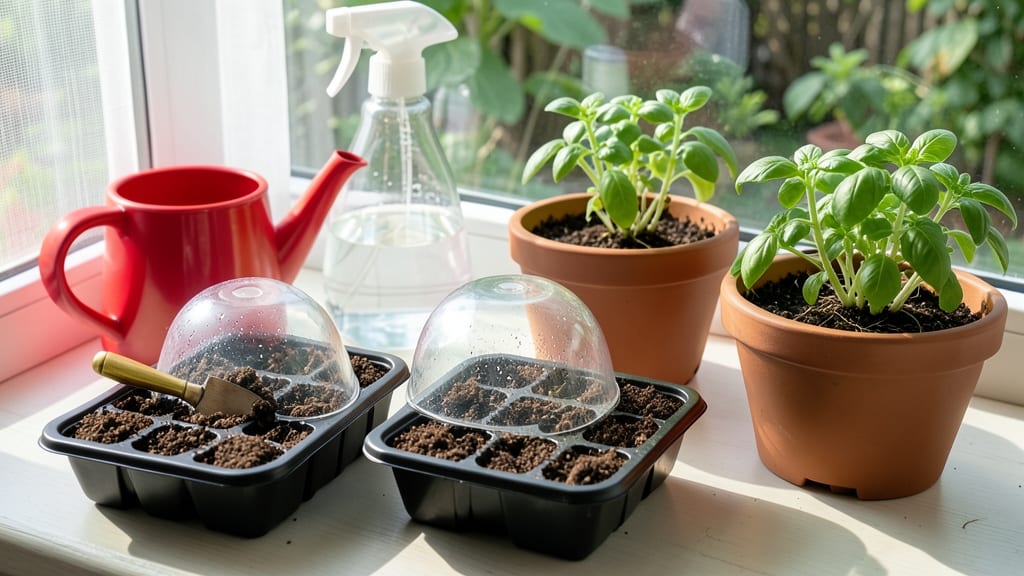
Growing basil from seed in containers turns any sunny spot into a fragrant herb factory. 🌱 I’ve grown basil this way for years—even in my tiny apartment—and it’s the only way I’ll grow it now.
The secret isn’t complicated: basil thrives in small pots, loves warmth, and rewards patience with tender, flavorful leaves year-round.
You’ll need just three things: a 6-inch pot (or larger for multiple plants), well-draining potting mix, and a sunny windowsill or grow light. Basil seeds germinate quickly—within 7-14 days—but they hate soggy soil.
Plant them about ¼-inch deep, keep the soil moist (not wet), and watch those first leaves appear like magic.
By the time you’re pinching back the third set of leaves, you’ll have a bushy plant ready to harvest. The smell alone makes it worth the effort—fresh, bright, and impossible to resist. Basil grown this way stays productive for months, and you’ll never buy wilted store-bought again.
Containers let you grow basil even in winter, and you can move pots outside when temperatures rise. Just watch for pests like aphids (spray with soapy water) and avoid overwatering—the biggest killer of container basil. With these simple steps, you’ll have a thriving herb garden in no time.
📚 In This Guide
- What you need
- Instructions
- Tips and common mistakes
- Wrapping up and next steps
What you need
- ● Basil seeds: 1 packet (about 100-200 seeds) – choose sweet basil, Genovese, or Thai basil for variety.
- ● Containers: 1-2 6-inch diameter pots (for single plants) or
- ● 1 12-inch wide container (for multiple plants, 6-8 inches apart).
- ● Potting mix: 1 bag (1-2 cubic feet) of well-draining seed-starting mix or lightweight potting soil (avoid garden soil—it’s too dense!).
- ○ Grow lights or sunny windowsill: Basil needs 6-8 hours of sunlight daily. A full-spectrum LED grow light (optional but helpful for indoor setups) works great.
- ● Spray bottle: For gentle watering (avoid over-saturating seeds).
- ○ Plant labels: To track varieties (optional but handy!).
- ● Seedling heat mat: Speeds up germination (especially useful in cooler climates).
- ● Fertilizer: A balanced liquid fertilizer (5-5-5 or 10-10-10) to boost growth after sprouting.
- ● Pruning shears: For harvesting and shaping plants.
- ● Mulch or pebbles: To retain moisture and keep roots cool.
- ● Humidity dome or plastic wrap: Creates a mini greenhouse effect for faster germination.
Step-by-Step instructions for growing basil from seed in containers
Here's how to grow lush, flavorful basil from seed using just a few simple supplies.
🌱 Step 1: Prepare Containers and Soil Mix
Start with 4-inch diameter pots—they're perfect for basil's shallow roots and give you enough space for 4 plants. Fill each pot with a mix of 50% potting soil and 50% perlite to ensure excellent drainage. Basil hates soggy roots, so this blend prevents waterlogging while keeping moisture available.
Tap each pot gently on the table to settle the mix, then water lightly until the soil feels like a damp sponge. You'll want it moist but not dripping—think of a wrung-out dish towel. This pre-moistening ensures seeds stay hydrated during germination without floating away.
🌱 Step 2: Sow Seeds at the Right Depth
Sprinkle 2-3 seeds per pot on the soil surface, pressing them lightly with your finger so they make contact with the soil. Basil seeds are tiny, so I use a toothpick to place them precisely—this prevents overcrowding later. Cover them with just a thin dusting of soil (no more than 1/8 inch deep).
Mist the surface with water until it looks evenly damp. A spray bottle gives you control—you don't want to wash the seeds away. Place the pots in a warm spot (around 70-75°F) where they'll stay consistently moist until germination.
☀️ Step 3: Provide Warmth and Light for Germination
Cover each pot with a plastic bag or humidity dome to create a mini greenhouse effect. Basil seeds germinate fastest in warmth and moisture, so I place mine on top of the fridge (which stays around 70°F) until sprouts appear in 7-14 days. Check daily and remove the cover for 10 minutes to prevent mold—you'll know it's time when you see condensation on the inside.
Once the first true leaves appear (not the initial seed leaves), remove the cover completely. This is your signal that the seedlings are ready for brighter light. Move them to a south-facing windowsill or under grow lights 4-6 inches away for 12-14 hours daily.
💧 Step 4: Thin and Care for Seedlings
When seedlings reach 2 inches tall, use small scissors to snip the weakest plant in each pot, leaving the strongest one. This prevents competition for nutrients. Water from the bottom by placing pots in 1 inch of water for 10 minutes—this encourages deep root growth instead of shallow, weak roots.
Pinch off the top set of leaves when the plant has 4-6 leaves total. This might seem counterintuitive, but it forces the plant to bush out instead of growing tall and leggy. You'll see new side shoots forming within 7-10 days, creating a fuller, more productive plant.
✂️ Step 5: Maintain and Harvest Regularly
Keep soil consistently moist but never soggy—basil wilts quickly when thirsty but also struggles in waterlogged conditions. I water every 2-3 days in summer, checking the top inch of soil for dryness. Feed with a balanced liquid fertilizer (10-10-10) every 4 weeks during the growing season to keep leaves vibrant.
Harvest leaves regularly by snipping just above a leaf pair with clean scissors. This encourages new growth and prevents the plant from flowering too early (which makes leaves bitter). You can start harvesting when plants are 6-8 inches tall, and they'll keep producing all season long.
Tips & tricks for growing basil from seed in containers
A few simple tricks will help you grow basil that's lush, flavorful, and ready for harvest in no time—without the common pitfalls that often trip up new gardeners.
Soil Mix Matters: The 50% potting soil and 50% perlite blend is key for preventing soggy roots, but don't skip the pre-moistening step in Step 1. I like to add a handful of worm castings to the mix—it gives seedlings a nutrient boost right from the start without overpowering them. This optional upgrade helps prevent leggy seedlings later.
Germination Hack: Basil seeds are notorious for slow germination, but the 7-14 day window in Step 3 can be frustrating. To speed things up, soak seeds in warm water for 24 hours before planting—this mimics natural rainfall and often triggers sprouting in just 5-7 days. Just be sure to plant them immediately after soaking.
Lighting Strategy: Once you move seedlings to brighter light in Step 3, position them within 4-6 inches of grow lights or a south-facing window. If you notice leaves stretching toward the light (a sign of etiolation), rotate pots daily so all sides get even exposure. This keeps plants compact and prevents weak stems.
Watering Wisdom: The bottom-watering technique in Step 4 is brilliant for deep root growth, but timing matters. I check soil moisture by lifting pots—if they feel light, it's time to water. Overwatering is the #1 killer of container basil, so always let the top inch dry out between waterings, especially in cooler weather.
Pro Tips for Growing Basil From Seed In Containers
- A few simple tricks will help you grow basil that's lush, flavorful, and ready for harvest in no time—without the common pitfalls that often trip up new gardeners.
- Soil Mix Matters: The 50% potting soil and 50% perlite blend is key for preventing soggy roots, but don't skip the pre-moistening step in Step 1.
- Germination Hack: Basil seeds are notorious for slow germination, but the 7-14 day window in Step 3 can be frustrating.
Frequently asked questions
Got questions about growing basil from seed in containers?
Here are some of the most common ones—and their easy, no-stress answers!
How long does it take for basil seeds to sprout in containers?
Basil seeds typically sprout in 7–14 days when kept in warm, moist soil (70–75°F). For faster germination, place your container on a seedling heat mat or in a sunny windowsill. Pro tip: Keep the soil consistently damp but not soggy—this speeds up the process!
Can I grow basil in small containers, or do I need deep pots?
Basil thrives in 6–8 inch deep containers—no need for giant pots! Just ensure the pot has drainage holes and is at least 6 inches wide. Bonus: Shallow containers work too if you prune regularly to control root growth.
Why are my basil seedlings leggy or stretching toward the light?
Leggy seedlings mean your plants aren’t getting enough light! Move your container to a sunny spot (6+ hours of direct light daily) or supplement with a grow light. If already in good light, thin out seedlings to reduce competition. Fix it fast: Bury stems deeper when transplanting to encourage sturdy growth!
Do I need to fertilize basil seeds right after planting?
Nope! Basil seeds don’t need fertilizer until they’ve sprouted and developed 2–3 true leaves (about 3–4 weeks in). Start with a balanced, water-soluble fertilizer (like 10-10-10) diluted to half-strength. Over-fertilizing young plants can burn tender roots.
What’s the best way to harvest basil without killing the plant?
Harvest basil by pinching off the top sets of leaves (just above a leaf node) to encourage bushier growth. Avoid cutting more than 1/3 of the plant at once, and always use clean scissors or fingers. Pro move: Harvest in the morning for the freshest flavor!
Wrapping up and next steps
Growing basil from seed in containers is a rewarding journey that brings fresh, fragrant herbs right to your doorstep—literally! With just a few supplies and a little patience, you’ve unlocked the secret to year-round greens, even in small spaces.
Whether you’re a seasoned gardener or a beginner, your container garden is now a thriving hub of flavor and aroma.
🌱 Next step: Start small—plant a few seeds today and watch your confidence (and basil!) grow. Once you’ve mastered this, experiment with other herbs like parsley or cilantro, or even try growing basil indoors for winter harvests. Your kitchen—and taste buds—will thank you!