
Lawn
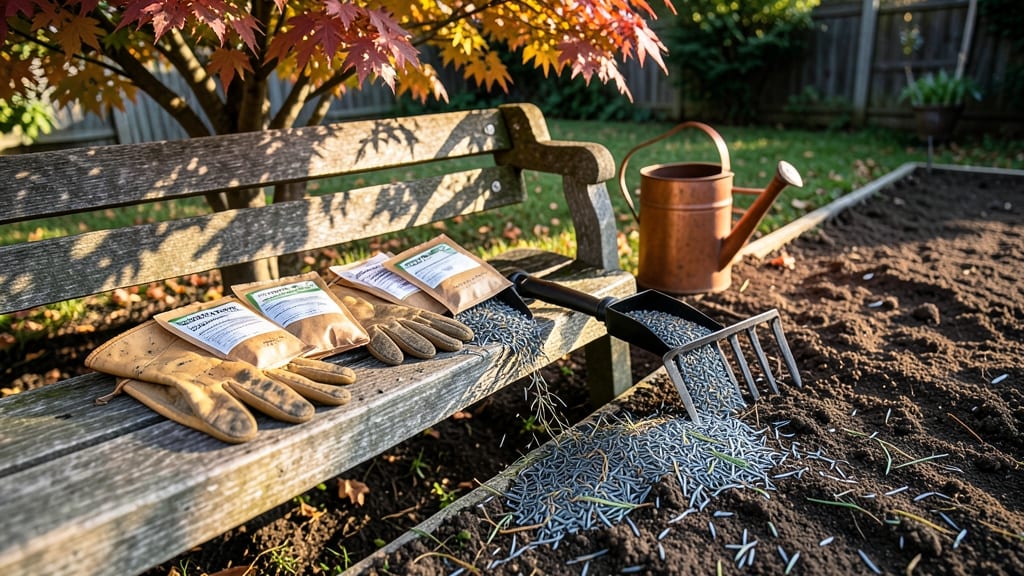
Planting grass seed in autumn gives you the jumpstart on next year's lawn—cooler temps mean fewer weeds and deeper roots before winter. 🌱 I've seen fall-sown lawns outperform spring plantings every time, and the secret lies in choosing the right cold-hardy varieties and timing your sowing just right.
The best time to plant is 4-6 weeks before your first frost, when soil stays warm enough for germination but air cools down. Cool-season grasses like tall fescue and Kentucky bluegrass thrive in these conditions, while warm-season grasses like Bermuda need a different approach.
You'll need a rake, seed, and a light layer of topsoil to protect the new growth. By spring, you'll have a thick, lush lawn that crowds out weeds naturally. The roots establish deep during fall's mild temperatures, setting your lawn up for success in the growing season ahead.
Even if winter hits early, these varieties handle cold beautifully. This method works for new lawns, patchy areas, or complete overhauls. Just remember: proper soil prep and consistent watering make all the difference between a mediocre lawn and a showstopper.
📚 In This Guide
- What you need
- Instructions
- Tips and common mistakes
- Wrapping up and next steps
What you need
- ● Grass Seed: 20–50 lbs of cold-hardy autumn varieties (e.g., Tall Fescue, Fine Fescue, or Kentucky Bluegrass). Choose based on your climate and sun exposure.
- ● Soil Prep Supplies: 20–30 lbs of compost or organic matter (to enrich soil).
- ● 10 lbs of slow-release fertilizer (10-10-10 or 16-4-8) for nutrient boost.
- ● Tools: Rake (bow or leaf rake, medium-tooth for debris removal).
- ● Lawn aerator (manual or rented, spike or core type).
- ● Broadcast spreader (calibrated for seed distribution).
- ● Garden hose with soaker nozzle or sprinkler.
- ● Starter fertilizer (high in phosphorus for root growth).
- ● Erosion control blanket (for slopes or windy areas).
- ● Soil test kit (to check pH and nutrient levels).
- ● Post-seeding mulch (straw) (to retain moisture).
Step-by-Step instructions for planting grass seed in autumn
Fall planting gives grass roots time to establish before winter's chill—here's how to do it right.
🌱 Step 1: Prepare the Soil for Optimal Seed Contact
Rake the existing lawn or bare soil to create a smooth, level surface. You want the ground to feel firm but not compacted—press your foot down gently and it should leave only a slight imprint. For new lawns, remove debris like rocks and roots completely; for overseeding, just loosen the top ¼ inch of soil with a rake.
Spread ½ pound of 10-10-10 fertilizer evenly over the area and work it into the top ¼ inch using a rake. This gives seeds immediate nutrients without burning tender roots. Water lightly afterward to settle the soil—just until the surface looks uniformly moist but not wet.
🌱 Step 2: Sow Seeds Evenly for Uniform Growth
Use a broadcast spreader set to the recommended rate for your grass type (usually 8-12 pounds per 1,000 sq ft). Walk in straight lines, overlapping slightly with each pass to avoid bare spots. For small areas, sprinkle seeds by hand but keep your hand 6-8 inches above the soil to prevent clumping.
Lightly rake the seeds into the soil with a stiff-bristled rake, covering them with no more than ¼ inch of soil. This ensures good seed-to-soil contact while keeping them close enough to sunlight for germination. A gentle misting afterward helps settle seeds into the soil without washing them away.
💧 Step 3: Water Consistently for Germination
Keep the soil surface moist but never soggy for the first 10-14 days—this is critical for germination. Water lightly 2-3 times daily using a sprinkler set to a fine mist. You'll know you're doing it right when the top ½ inch of soil stays damp but not wet; you should see moisture beads on the surface but no standing water.
Once seedlings reach 1-2 inches tall (about 3-4 weeks after sowing), switch to deeper waterings 2-3 times weekly. Let the top ½ inch dry between waterings to encourage deep root growth. Avoid walking on the new grass until it's at least 3 inches tall—you'll see footprints compress the soil and stunt growth.
☀️ Step 4: Maintain Through Winter for Spring Success
Reduce watering in late fall as temperatures drop below 40°F, but keep the soil from drying out completely. A light ½ inch of water weekly is usually enough. Avoid fertilizing after October 1st—new growth stimulated by late-season fertilizer will be tender and may not survive winter.
In early spring, resume regular watering when you see new growth appear. Mow when the grass reaches 3-4 inches tall, leaving the clippings on the lawn to return nutrients to the soil. This fall preparation ensures your lawn stays lush and green through winter and springs ahead in spring.
Tips & tricks for perfect autumn grass planting
Fall planting gives your lawn the best chance to thrive through winter—here's how to avoid common pitfalls and get it right the first time.
Soil Prep Secret: When loosening the top ¼ inch of soil in Step 1, think "fluffy, not powdery." Use a stiff-bristled rake to create tiny furrows that catch seeds without compacting. For overseeding, a simple garden fork works wonders—just poke holes every 2-3 inches to break up thatch without disturbing deeper soil layers. This creates perfect pockets for seeds to nestle into.
Seed Distribution Technique: In Step 2, if you're using a broadcast spreader, walk in a crisscross pattern to ensure even coverage. For hand-sowing, try this trick: divide your seed into two batches and sprinkle in perpendicular directions. This prevents thick clumps and thin spots. After sowing, lightly drag a straw broom over the area to settle seeds into the soil—it's like giving them a gentle hug before tucking them in.
Watering Wisdom: The 10-14 day germination window in Step 3 is your critical phase. Set a timer for your 2-3 daily waterings to avoid over- or under-watering. In the morning, water just before sunrise to reduce evaporation—this gives seeds maximum moisture when they need it most. A simple spray bottle works great for small areas; for larger lawns, a soaker hose set to a gentle flow is your best friend.
Winter Prep: When temperatures drop below 40°F in Step 4, switch to a watering schedule that mimics nature's rhythm. Early morning waterings prevent fungal growth from overnight moisture, while afternoon waterings help the soil retain heat. A layer of straw mulch (about ½ inch thick) over newly planted areas acts like a cozy blanket, protecting seeds from freezing temperatures while keeping soil moisture consistent.
Pro Tips for Grass Seed Autumn
- Fall planting gives your lawn the best chance to thrive through winter—here's how to avoid common pitfalls and get it right the first time.
- Soil Prep Secret: When loosening the top ¼ inch of soil in Step 1, think "fluffy, not powdery."
- Seed Distribution Technique: In Step 2, if you're using a broadcast spreader, walk in a crisscross pattern to ensure even coverage.
Frequently asked questions
Got questions about seeding your lawn in autumn? You’re in the right place! Here are answers to the most common queries about grass seed autumn planting, timing, and care.
When is the best time to plant grass seed in autumn?
The ideal window is late summer to early fall—typically 4–6 weeks before your first hard frost. This gives seeds time to germinate and establish roots before winter. For most regions, September to October is perfect! Check your local frost dates for precision.
Can I still plant grass seed in late autumn or early winter?
While possible, it’s riskier. Seeds need consistent soil temps (50–65°F) to germinate. Late autumn planting may leave them vulnerable to frost or poor soil conditions. If you must plant later, use cold-hardy varieties and protect seeds with mulch or frost cloth.
Is autumn seeding cheaper than spring?
Yes! Autumn seeding often costs less because demand is lower, and nurseries may offer discounts. Plus, cooler temps mean less watering and fewer weeds, saving you time and money. Just ensure you’re buying high-quality, cold-tolerant seed for the best results.
What if my grass doesn’t grow after autumn seeding?
Don’t panic! Check these fixes:
- Soil prep: Ensure seeds are lightly raked into soil (¼ inch deep) for contact.
- Watering: Keep soil consistently moist (not soggy) for 2–3 weeks.
- Fertilizer: Use a starter fertilizer with phosphorus to boost root growth.
- Patience: Some varieties take 14–21 days to germinate—check the seed packet!
Can I overseed an existing lawn in autumn?
Autumn is perfect for overseeding to fill thin spots or improve density. Mow your lawn short, rake to loosen soil, spread seed, and water gently. Choose cool-season grasses (like fescue or ryegrass) for best results. Just avoid overseeding if your lawn has fungal diseases—wait until it’s healed.
Wrapping up and next steps
Autumn is the perfect time to plant cold-hardy grass seed for a lush, resilient lawn that thrives year-round!
By choosing the right varieties—like tall fescue, fine fescue, or perennial ryegrass—and preparing your soil properly, you’ll enjoy a vibrant green space even in winter’s chill. Don’t wait—act now to set your lawn up for success!
🌱 Your Next Step: Plant & Protect
Grab your seeds, follow the prep tips, and get planting before frost sets in. For extra care, consider a light mulch or protective netting to shield young sprouts. Watch your lawn transform into the envy of the neighborhood! 🌿