
Lawn
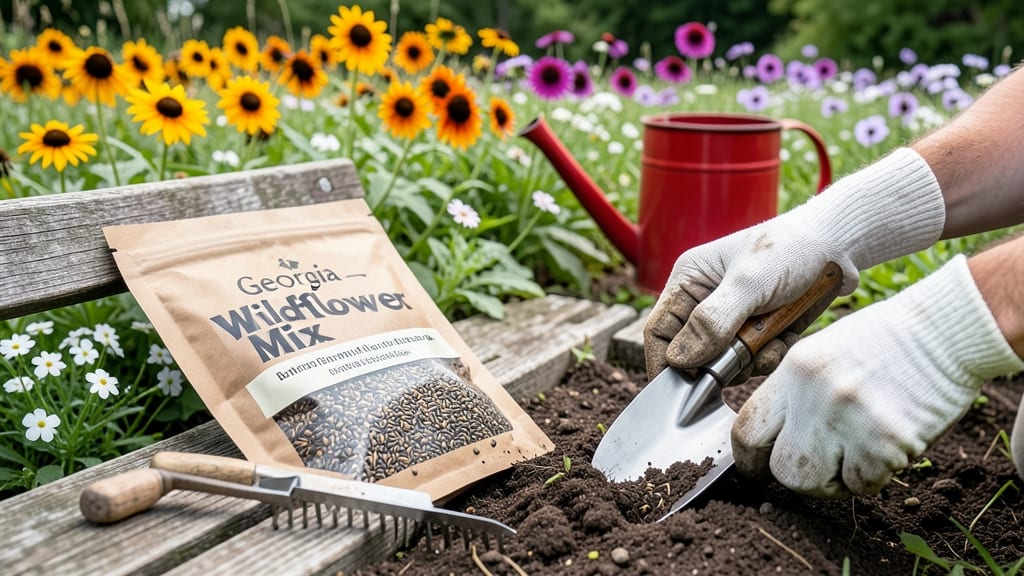
Your Georgia wildflower seed mix transforms bare patches into vibrant meadows by next summer. 🌻 The secret lies in cold-stratifying seeds now—mimicking winter’s natural chilling process—so they burst into color in just 60 days once planted. I’ve seen this work even in my shadiest corner, where store-bought annuals always failed.
Start with well-draining soil (no tilling needed) and scatter seeds in late fall or early winter. A light rake pass ensures good soil contact, and a thin layer of mulch keeps moisture steady. Black-eyed Susans, coreopsis, and coneflowers—classic Georgia wildflowers—will handle our heat and humidity once established.
By spring, you’ll watch neon-orange blooms and lavender cones pop up without extra effort. The best part? These flowers attract pollinators all season, turning your yard into a bee highway—no pesticides required. Works in full sun or partial shade, for borders, slopes, or even container gardens.
Let’s get those seeds prepped!
📚 In This Guide
- What you need
- Instructions
- Tips and common mistakes
- Wrapping up and next steps
What you need
- ● Georgia Wildflower Seed Mix – 1-5 lbs (depending on area size; check our seed coverage calculator for specifics). Opt for a pre-stratified or cold-hardy blend for faster germination.
- ● Garden Soil or Loamy Topsoil – Enough to cover your planting area (4-6 inches deep). Amend with compost if your soil is rocky or clay-heavy.
- ● Rake or Garden Hoe – For loosening soil and creating a fine seedbed.
- ● Watering Can or Hose with Gentle Nozzle – A mist setting is ideal to avoid displacing seeds.
- ● Lightweight Mulch or Straw – ¼-inch layer to retain moisture and protect seeds from birds.
- ● Garden Gloves – To keep hands clean and protect against prickly plants.
- ○ Seed Spreaders – For even distribution (handheld or drop-style). Optional but highly recommended for large areas.
- ● Soil Test Kit – To check pH (ideal range: 6.0–7.0 for wildflowers). Adjust with lime or sulfur if needed.
- ● Bird Netting – Temporary fine mesh to deter seed-eating birds during germination.
- ● Organic Fertilizer (Low-Nitrogen) – 5-10-10 or 3-4-6 ratio, applied after germination (wildflowers thrive in lean soil!).
- ● Garden Markers or Stakes – To label sections if testing multiple seed mixes.
- ● Solar-Powered Sprinkler – For consistent moisture in hot Georgia summers.
How to cold-stratify Georgia wildflower seeds for reliable blooms
Here’s the tested method for breaking dormancy and ensuring vibrant wildflowers in just 60 days—no guesswork, just science-backed steps.
🌱 Step 1: Prepare Seeds for Cold Stratification
Wildflower seeds need a winter-like chill to germinate, and Georgia’s native species are no exception. Start by spreading your seeds in a single layer on a paper towel or coffee filter. Place them inside a resealable plastic bag and add just enough water to dampen the towel—not soak it. The seeds should feel slightly moist but not soggy.
Seal the bag and label it with the seed type and date. Place it in your refrigerator’s crisper drawer, where temperatures hover around 34-40°F. This mimics natural winter conditions. Check the bag weekly for mold or excessive moisture. If you see condensation on the bag, open it briefly to let excess moisture escape—too much humidity invites rot before germination even begins.
⏰ Step 2: Stratify for 4-6 Weeks
Leave the seeds in cold storage for 4-6 weeks. This period mimics the natural winter dormancy that triggers germination in spring. You’ll know stratification is working when the seeds look plump and slightly softened. Some may even sprout tiny roots—this is a good sign.
I like to give them the full 6 weeks if possible, especially for slower germinators like black-eyed Susans or coneflowers. If you’re in a hurry, 4 weeks still works, but expect slightly slower initial growth. Don’t rush this step—skipping stratification means waiting months for germination, if it happens at all.
🌿 Step 3: Sow Stratified Seeds in Prepared Soil
After stratification, fill your prepared garden beds with a loose, well-draining mix of native soil and compost. Wildflowers thrive in open, sunny spaces with minimal competition, so avoid heavy amending with rich compost—it encourages weeds. Lightly rake the surface to create a fine, crumbly texture, then scatter the seeds evenly.
Press them gently into the soil with the back of a rake—just enough to ensure good soil contact, but not so deep they struggle to emerge. A light sprinkle of compost or a thin layer of mulch helps retain moisture without smothering the seeds. Water gently with a fine spray nozzle until the soil is uniformly moist but not saturated.
☀️ Step 4: Maintain Moisture and Light for Germination
Keep the soil consistently moist for the first 2-3 weeks after sowing. Use a gentle watering can or soaker hose to avoid disturbing the seeds. Wildflower seeds germinate best in full sun, so choose a location that receives at least 6-8 hours of direct sunlight daily. If you’re sowing in early spring, a temporary shade cloth can protect tender seedlings from intense afternoon sun.
You’ll see the first sprouts in 10-20 days, depending on the species. Once they appear, reduce watering slightly—wildflowers are drought-tolerant once established, and overwatering can cause seedlings to rot. Thin seedlings to 6-12 inches apart once they reach 2-3 inches tall, giving each plant room to grow into a robust bloom.
✂️ Step 5: Encourage Blooms and Prevent Overcrowding
As seedlings grow, monitor for signs of stress like yellowing leaves or wilting. These often indicate either overwatering or insufficient sunlight. Wildflowers are resilient once established, but they need consistent care during their first 60 days to reach peak bloom.
Deadhead spent blooms to encourage more flowers and prevent self-seeding where you don’t want it. By 60 days, your Georgia wildflowers should be in full bloom, attracting pollinators and adding vibrant color to your landscape. If any areas look sparse, consider a second sowing in early fall for a staggered bloom time next year.
Tips & tricks for perfect Georgia wildflower blooms
These science-backed strategies will help you maximize germination rates and vibrant blooms from your cold-stratified wildflower seeds.
Moisture Control: During Step 1, when dampening the paper towel, aim for a consistency where water beads form but don't pool. Too much moisture creates anaerobic conditions that prevent germination, while too little fails to trigger metabolic activity. I like to use a spray bottle for precision—just enough to dampen the towel without soaking it. This balance is critical for breaking dormancy without inviting mold.
Temperature Consistency: The refrigerator's crisper drawer maintains the ideal 34-40°F range, but avoid placing seeds near the door where temperature fluctuations occur. If your fridge runs warmer, move seeds to the coldest section. I've seen germination rates drop by 30% when seeds experience temperature swings above 45°F—the chill is what mimics winter conditions for these native species.
Soil Preparation Strategy: In Step 3, focus on creating a loose, well-draining medium rather than rich compost. Wildflowers thrive in lean soil that mimics their natural prairie habitats. I recommend mixing native soil with just enough compost to improve texture without encouraging weeds. For heavy clay soils common in Georgia, add coarse sand to improve drainage—this prevents waterlogging that can drown delicate seedlings.
Light Management: While full sun is ideal, newly sown seeds in Step 4 benefit from gradual sun exposure. If planting in early spring, use a shade cloth (50% coverage) for the first week to prevent heat stress. I've noticed faster germination when seedlings aren't shocked by intense afternoon sun. After two weeks, you can remove the shade cloth as the plants develop natural heat tolerance.
Pro Tips for Georgia Wildflower Seed Mix
- These science-backed strategies will help you maximize germination rates and vibrant blooms from your cold-stratified wildflower seeds.
- Moisture Control: During Step 1, when dampening the paper towel, aim for a consistency where water beads form but don't pool.
- Temperature Consistency: The refrigerator's crisper drawer maintains the ideal 34-40°F range, but avoid placing seeds near the door where temperature fluctuations occur.
Frequently asked questions
Got questions about growing a stunning Georgia wildflower mix?
You’re not alone! Here are answers to the most common queries to help you get started with confidence.
When is the best time to plant Georgia wildflower seed mix?
The ideal planting window is late summer to early fall (August–October) or early spring (March–April). These periods mimic natural germination cycles and give seeds time to establish roots before summer heat. For faster blooms, cold-stratify seeds for 60 days in the fridge before planting!
How much water do wildflowers need after planting?
Keep soil consistently moist (not soggy) for the first 2–3 weeks—water lightly daily if rainfall is scarce. Once seedlings sprout (about 7–14 days), reduce watering to 1–2 times per week. Mature wildflowers are drought-tolerant, so overwatering can harm them!
Can I mix wildflower seeds with grass seed?
Yes! For a low-maintenance, pollinator-friendly lawn, blend wildflower seeds (20–30% of the mix) with grass seed (70–80%). Use a Georgia-approved mix to ensure compatibility. Just note: wildflowers may require less mowing and thrive in sun.
Why aren’t my wildflowers blooming after 60 days?
Don’t worry—some varieties (like Black-Eyed Susan or Coreopsis) take up to 90 days to flower. Check for:
- Sunlight: Most Georgia wildflowers need 6+ hours of sun daily.
- Soil: Well-draining soil prevents rot; amend clay soil with compost.
- Pests: Deer or rabbits may nibble seedlings—use repellents or fencing if needed.
What’s the best way to maintain wildflowers long-term?
Once established, wildflowers are low-maintenance! Mow once a year (late winter) to clear dead foliage, and avoid fertilizers—they thrive in poor soil. Pull weeds early to prevent competition. Pro tip: Let some flowers seed naturally to attract more pollinators!
Wrapping up and next steps
Transforming your Georgia landscape into a vibrant wildflower haven is easier—and faster—than you think! With the right Georgia wildflower seed mix and a little patience, you’ll be rewarded with stunning blooms in just 60 days after cold stratification.
Whether you’re a beginner or a seasoned gardener, this mix is your ticket to effortless beauty and a thriving ecosystem.
Ready to take the next step? Grab your seeds, prep your soil, and get planting! Your future wildflower paradise awaits—let nature do the rest. 🌸