
Lawn
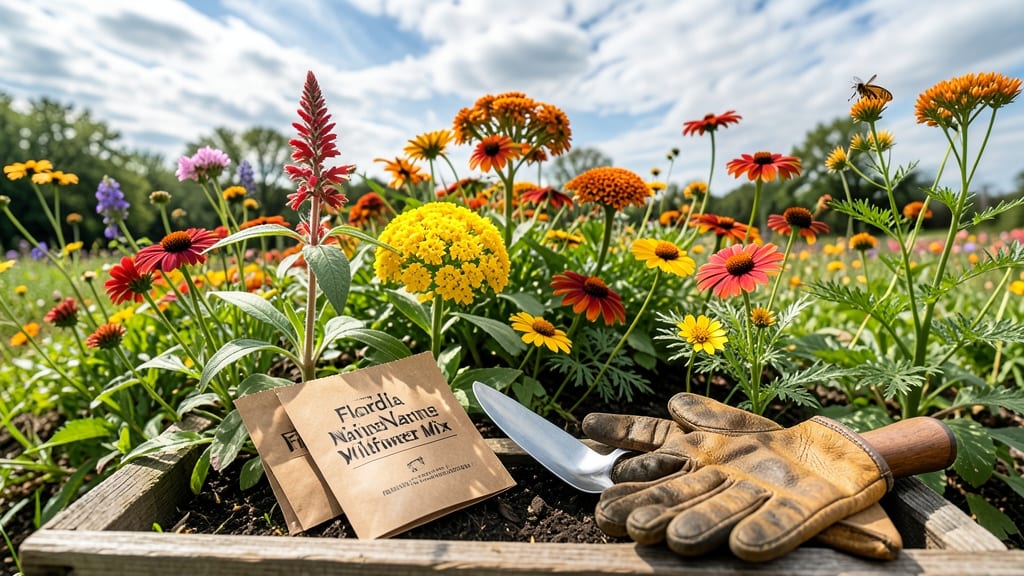
Your Florida wildflower seed mix transforms bare soil into a pollinator paradise that blooms through droughts and heat. 🌸 I’ve planted mine in full sun and partial shade—both thrive—with zero fuss after the first year.
The key is letting nature take over once established; these tough natives handle Florida’s humidity and dry spells like champs.
Start with well-drained soil (no amending needed—wildflowers love lean ground) and scatter seeds in late summer or early fall. A light rake ensures good soil contact, and a thin layer of mulch keeps moisture in while blocking weeds.
Water gently for the first month, then let rain do the work—these seeds are built for Florida’s unpredictable weather.
By spring, you’ll see a riot of colors—blanket flowers, black-eyed Susans, and coreopsis—that attract butterflies, bees, and hummingbirds all season. The best part? Once established, they’re completely drought-proof and require almost no maintenance beyond an occasional trim to keep things tidy.
Perfect for sunny lawn edges, wildflower meadows, or even containers—just avoid heavy foot traffic. Native species outcompete weeds naturally, so your garden stays lush with minimal effort. Let’s get those seeds in the ground!
📚 In This Guide
- What you need
- Instructions
- Tips and common mistakes
- Wrapping up and next steps
What you need
- ● Florida Wildflower Seed Mix – 1–5 lbs (depending on area size; ~1 lb covers ~100 sq. ft.). Choose a native blend for best results.
- ● Garden rake or hoe – For loosening soil and removing debris.
- ○ Hoe or tiller – Optional but helpful for breaking up compacted soil.
- ● Water source – Hose with a gentle spray nozzle or watering can.
- ● Garden gloves – To protect your hands from prickly plants or rough soil.
- ● Soil amendment – A light layer of compost (½ inch) to improve drainage and fertility.
- ● Mulch or straw – To retain moisture during germination (apply lightly after planting).
- ● Birdseed or wildflower feeder – Attracts pollinators like bees and butterflies to your new garden! 🐝
- ● Edging tool – If planting in defined sections (e.g., borders or containers).
Step-by-Step guide to planting Florida wildflower seed mix
Here’s how to transform your Florida landscape into a vibrant, low-maintenance wildflower haven.
🌱 Step 1: Prepare the Soil for Optimal Germination
Wildflowers thrive in well-draining soil, so begin by clearing the area of weeds and debris. Use a rake to loosen the top 2-3 inches of soil—this ensures seeds make direct contact with the earth, which is critical for germination. In Florida’s heat, compacted soil can suffocate seeds, so break up any hardpan gently with a broadfork or garden fork.
If your soil is heavy clay (common in much of Florida), amend it with 1-2 inches of compost or aged pine bark fines. This improves drainage and provides nutrients without overwhelming the delicate wildflower seedlings. Avoid fresh mulch or manure, which can burn tender roots and attract pests.
☀️ Step 2: Choose the Right Time and Location
Timing matters most for wildflowers. In Florida’s climate, the ideal window is late summer to early fall, when temperatures are warm but not scorching, and rainfall is abundant. This mimics the natural conditions wildflowers rely on for germination. Avoid planting in winter—cool soils slow growth, and seeds may rot before sprouting.
Select a sunny spot with at least 6 hours of direct sunlight daily. While some wildflowers tolerate partial shade, full sun ensures the boldest blooms and the most robust plants. If your yard has areas with afternoon shade, focus on shade-tolerant species like wild columbine or butterfly weed instead of sun-lovers like black-eyed Susans.
💧 Step 3: Scatter Seeds Evenly for Natural Beauty
Wildflowers grow best when sown densely but not crowded. Scatter the seeds by hand, aiming for about 1/4 pound per 100 square feet. For larger areas, use a broadcast spreader set to a fine setting—this ensures even distribution without burying seeds too deeply. Lightly rake the area to press seeds into the soil, but avoid covering them with more than 1/8 inch of soil.
Here’s the thing—wildflower seeds need light to germinate. If buried too deeply, they may never sprout. After scattering, give the soil a light misting with a hose or watering can to settle the seeds. Once established, wildflowers are drought-tolerant, but initial moisture is key for germination.
⏰ Step 4: Water and Maintain Until Establishment
Keep the soil consistently moist (but not soggy) for the first 4-6 weeks after planting. Water deeply 2-3 times per week, focusing on the root zone rather than overhead spraying. This encourages deep root growth, which is essential for Florida’s dry spells. Once seedlings reach 2-3 inches tall, reduce watering to once per week to toughen them up.
Mulch lightly with straw or pine needles to retain moisture and suppress weeds. Avoid thick mulch layers—wildflowers need sunlight to thrive, and too much mulch can smother them. After the first bloom cycle, you can reduce watering further, as established wildflowers will self-seed and spread naturally.
Tips & tricks for perfect Florida wildflower plantings
Florida’s wildflowers demand special attention—but these tricks will help you avoid the most common pitfalls and create a thriving meadow.
Soil Depth Matters: When loosening that top 2-3 inches of soil in Step 1, focus on breaking up any hardpan layers without disturbing deeper soil. Use a broadfork to create a loose, airy environment where roots can establish easily. I’ve seen seeds fail to sprout when planted in compacted soil—this step makes all the difference. The goal is to mimic Florida’s natural sandy loam without overworking the earth.
Timing Secret: The late summer to early fall window in Step 2 isn’t just about avoiding winter—it’s about taking advantage of Florida’s natural rainfall patterns. If you must plant outside this window, aim for early spring instead of fall. The key is warm soil temperatures (above 60°F) and consistent moisture, which Florida’s summer and early fall provide naturally. Cool winter soils can cause seeds to rot before sprouting.
Seed Distribution Hack: For that 1/4 pound per 100 square feet in Step 3, I recommend dividing your seeds into two batches: scatter half in one direction, then the other half perpendicular. This creates a more natural, even distribution that prevents clumping. A lightweight broadcast spreader set to "fine" works best—just be gentle to avoid burying seeds deeper than 1/8 inch. The light misting after scattering isn’t just for settling; it helps wash any seeds that land on hard surfaces into the soil.
Watering Wisdom: During those critical first 4-6 weeks in Step 4, water in the early morning to prevent fungal issues from evening moisture. I use a soaker hose for deep watering—it delivers moisture right to the root zone without disturbing seedlings. After they reach 2-3 inches, let the soil dry slightly between waterings to encourage strong root development. Florida’s drought tolerance kicks in once established, but seedlings need consistent moisture to survive.
Pro Tips for Florida Wildflower Seed Mix
- Florida’s wildflowers demand special attention—but these tricks will help you avoid the most common pitfalls and create a thriving meadow.
- Soil Depth Matters: When loosening that top 2-3 inches of soil in Step 1, focus on breaking up any hardpan layers without disturbing deeper soil.
- Timing Secret: The late summer to early fall window in Step 2 isn’t just about avoiding winter—it’s about taking advantage of Florida’s natural rainfall patterns.
Frequently asked questions
Got questions about transforming your Florida landscape with wildflowers?
Here are answers to the most common ones—so you can plant with confidence and ease!
When is the best time to plant Florida wildflower seed mix?
The ideal window is late summer to early fall (August–October), when soil is warm and rainfall is abundant. This timing helps seeds germinate before winter, giving them a head start. If you miss this, spring (February–March) works too—just water consistently until established.
How much water do wildflowers need after planting?
Keep the soil moist but not soggy for the first 2–3 weeks (about 1 inch of water weekly). Once sprouted, wildflowers are drought-tolerant! After establishment, let nature take over—they thrive with minimal irrigation. Mulch lightly to retain moisture if needed.
Will wildflowers attract bees or pests I should worry about?
Wildflowers love pollinators like bees and butterflies—great for ecosystems! Most Florida natives are pest-resistant, but occasional aphids or caterpillars may appear. Use neem oil or encourage natural predators (like ladybugs) instead of harsh chemicals. The trade-off? Stunning blooms and biodiversity!
Can I mix wildflower seeds with grass seed?
Try a 50/50 ratio of wildflower to grass seed for a low-maintenance, colorful lawn. Just note: wildflowers may outcompete grass in sunny spots. For shadier areas, opt for clover or native ground covers instead. Test a small patch first to gauge growth!
What if my wildflowers don’t grow? Troubleshooting tips
Poor germination?
Ensure seeds are scarified (scratch the seed coat) or soaked overnight if untreated.
Birds eating seeds?
Cover seeds with lightweight netting until sprouted.
Weeds taking over?
Hand-pull early or apply corn gluten meal (natural pre-emergent).
No blooms?
Check sunlight—most Florida wildflowers need full sun (6+ hours/day).
Pro tip: Patience is key! Some species take 2–3 years to fully naturalize. Let them spread organically for the best results.
Wrapping up and next steps
Transforming your Florida landscape with a wildflower seed mix isn’t just about beauty—it’s about creating a resilient, low-maintenance ecosystem that thrives even in the toughest conditions. 🌸 From supporting pollinators to reducing water bills, these vibrant blooms bring color and life to your yard without the fuss.
Ready to take the next step?
🌱 Your Action Plan:
- Order your seeds today—choose a mix tailored to your soil and sunlight!
- Mark your calendar for the best planting window (fall or early spring).
- Watch your garden flourish and enjoy the rewards of a wildflower haven!
Your future wildflower meadow is just a packet away—let nature do the work for you! 🌿