
Size
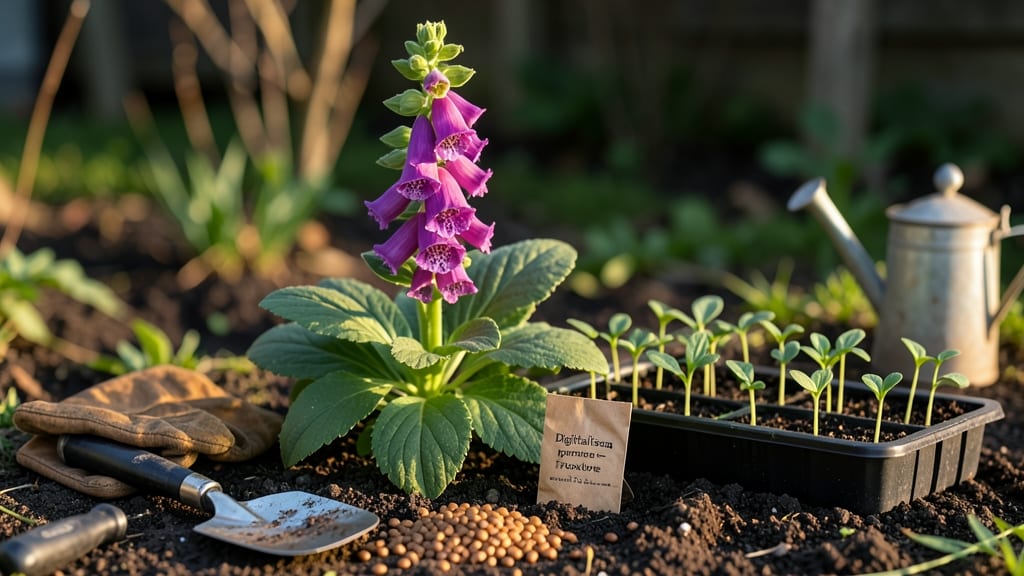
Growing foxglove from seed means next year’s garden will have those towering, bell-shaped blooms that attract hummingbirds and add drama to borders. 🌱 The catch? Foxglove seeds need a long cold period to germinate—something nature handles outdoors, but we’ll mimic with cold stratification.
My first attempt failed because I rushed it, but now I’ve got a foolproof method that works even for black thumbs.
Start with fresh seeds sown in well-draining potting mix in a shallow container, barely covered—just press them into the soil. Place the container in a plastic bag and refrigerate for 4-6 weeks to simulate winter.
After that, move it to a sunny windowsill or under grow lights. Germination can take 2-6 weeks, so patience is key.
Once seedlings appear, thin them to 3-4 inches apart and transplant to individual pots when they have two sets of true leaves. Harden them off before moving outdoors after last frost. By summer’s end, you’ll have sturdy young plants ready to stake and overwinter for showstopping blooms next spring.
This method works for both biennial and perennial varieties, and the same cold-stratification trick applies to other finicky seeds like columbine or lungwort. The payoff? A garden filled with foxglove’s iconic spikes that’ll make neighbors ask, “What’s that gorgeous plant?”
📚 In This Guide
- What you need
- Instructions
- Tips and common mistakes
- Wrapping up and next steps
What you need
- ● Foxglove seeds: Fresh or stored seeds (purchase from a reputable supplier; Digitalis purpurea is the most common variety). Aim for 50–100 seeds if testing stratification methods.
- ● Cold stratification setup: Plastic storage bag (resealable, quart-size or larger)
- ● Paper towels or dampened peat moss (enough to lightly moisten seeds)
- ● Refrigerator (set to 34–40°F for 4–8 weeks)
- ● Growing containers: Seed trays or small pots (with drainage holes; 2–3 inches deep)
- ● Well-draining seed-starting mix (avoid garden soil—it’s too dense!)
- ● Misting bottle (for gentle watering; 16 oz spray bottle works well).
- ● Grow lights or sunny windowsill (foxglove seeds need 12–16 hours of light/day after germination).
- ● Heat mat (to speed up germination once seeds are stratified; 70–75°F range).
- ● Humidity dome (keeps moisture levels high for delicate seedlings).
- ● pH testing kit (foxglove prefers 6.0–7.0 soil pH).
- ● Fertilizer (balanced 5-10-5 or fish emulsion once seedlings sprout).
- ● Plant labels (foxglove varieties can vary; mark trays to avoid mix-ups!).
Step-by-step instructions for growing foxglove from seed
Here's how I reliably grow foxglove from seed using cold stratification—no more waiting years for blooms.
🌱 Step 1: Collect and Prepare Fresh Seeds
Harvest foxglove seeds when the seed pods turn brown and begin splitting open, usually in late summer or early fall. I collect them by gently squeezing the pods over a paper bag—this prevents premature seed loss. The seeds need to be fresh for successful germination, so avoid using dried seeds older than a year.
Once collected, store the seeds in a paper envelope in the refrigerator for 6-8 weeks. This cold stratification mimics winter conditions and breaks seed dormancy. I label each envelope with the date to track the stratification period accurately. The seeds should remain dry during this time—excess moisture invites mold.
🌿 Step 2: Sow Seeds in a Controlled Environment
Fill small pots or seed trays with a well-draining seed-starting mix. I use 4-inch pots for each seed to prevent overcrowding later. Moisten the mix until it's damp but not soggy—foxglove roots need good aeration but consistent moisture. Press the soil down lightly to create a firm seedbed.
Sow the seeds ¼ inch deep—any deeper delays germination because the seedlings struggle to reach the surface. I space them 1 inch apart in each pot to allow room for early root development. Cover the pots with plastic wrap or a humidity dome to retain moisture and warmth during germination.
⏰ Step 3: Germinate Under Ideal Conditions
Place the pots in a location with 60-65°F soil temperatures—this is critical for foxglove germination. A seedling heat mat helps maintain consistent warmth without over-drying the soil. Keep the humidity dome in place until 50% of seeds sprout, which typically takes 3-6 weeks.
Once germination begins, remove the dome immediately to prevent fungal issues. Foxglove seedlings are delicate, so avoid disturbing them. You'll see the first true leaves emerge as small, rounded shapes—this is your signal to start providing bright, indirect light. Direct sunlight at this stage can scorch tender seedlings.
☀️ Step 4: Harden Off and Transplant Young Plants
After the seedlings develop 4-6 true leaves, begin hardening them off by placing them outdoors in partial shade for 2-3 hours daily. Gradually increase their exposure over 2 weeks, moving them to full sun by the end of the process. This slow transition prevents transplant shock.
Transplant the seedlings into individual 6-inch pots filled with a mix of potting soil and compost. I bury them slightly deeper than they were in the seed trays—foxglove roots benefit from being covered. Water thoroughly after transplanting to settle the soil around the roots. Keep the soil consistently moist but never waterlogged.
🪴 Step 5: Establish Mature Plants for Next Year's Blooms
By late summer, your foxglove seedlings should be 12-18 inches tall with a sturdy stem. At this point, transplant them into their permanent garden location, spacing them 18-24 inches apart. Foxglove thrives in partial shade, so choose a spot with morning sun and afternoon shade for best results.
Mulch around the base with 2-3 inches of organic mulch to retain moisture and suppress weeds. Foxglove is a biennial or short-lived perennial, so it may not bloom until the second year. Be patient—properly grown seedlings will reward you with tall spikes of bell-shaped flowers in their second or third year.
Tips & tricks for perfect foxglove seed germination
Cold stratification is the secret weapon for foxglove success—here's how to make every step count.
Stratification Precision: The 6-8 weeks in the refrigerator isn't just a suggestion—it's the biological trigger foxglove seeds need to break dormancy. I've found that using a small, breathable paper envelope (not plastic) prevents condensation buildup, which can lead to mold. Place a tiny air hole in the envelope if you notice any moisture accumulation during storage. This mimics natural winter conditions perfectly, ensuring your seeds won't sprout prematurely.
Seed Depth Science: That ¼-inch planting depth is critical—any deeper and your seedlings will struggle to reach the surface, while planting too shallow risks exposing them to drying out. I use a toothpick to create precise planting holes in the soil, then gently place each seed with tweezers. This gives you better control than just scattering seeds on the surface. The 1-inch spacing between seeds allows room for early root development without competition.
Temperature Troubleshooting: Maintaining 60-65°F soil temperatures during germination is non-negotiable for foxglove. If your home stays cooler than this, invest in a seedling heat mat—it's the only reliable way to maintain consistent warmth. I place my pots on top of the heat mat with the dome in place, then monitor temperatures with a small thermometer. If you notice condensation forming on the dome, remove it immediately to prevent fungal growth, which can devastate delicate seedlings.
Hardening Off Strategy: The gradual 2-week transition from partial shade to full sun is where most gardeners fail. Start with just 2-3 hours of morning sun, then increase by 30 minutes each day. I've seen seedlings go into shock when moved too quickly—watch for wilting or yellowing leaves as warning signs. The key is to let the plants acclimate to outdoor conditions while still protecting them from intense afternoon sun that can scorch their tender leaves.
Pro Tips for Foxglove Seed Grow A Garden
- Cold stratification is the secret weapon for foxglove success—here's how to make every step count.
- Stratification Precision: The 6-8 weeks in the refrigerator isn't just a suggestion—it's the biological trigger foxglove seeds need to break dormancy.
- Seed Depth Science: That ¼-inch planting depth is critical—any deeper and your seedlings will struggle to reach the surface, while planting too shallow risks exposing them to drying out.
Frequently asked questions
about growing foxglove from seed—your quick guide to success!How long does cold stratification take for foxglove seeds?
Foxglove seeds need 6–8 weeks of cold stratification (40–50°F) to break dormancy. Mix seeds with moist sand or peat moss, place in a sealed bag, and refrigerate. Patience pays off—skipping this step often results in poor germination!
When is the best time to sow foxglove seeds outdoors?
For direct outdoor sowing, plant seeds in late fall (they’ll stratify naturally over winter) or early spring after the last frost. If starting indoors, sow 8–10 weeks before your last frost date for transplanting. Foxglove thrives in cool weather!
Can I grow foxglove from store-bought seeds without stratification?
Most foxglove seeds won’t germinate well without stratification. However, some pre-treated or hybrid seeds (like Digitalis varieties) may work. If unsure, always stratify—it’s the secret to reliable blooms! For faster results, try a hot water treatment (soak seeds in 180°F water for 24 hours).
Why aren’t my foxglove seedlings growing? Troubleshooting tips.
Check these common issues:
- Slow germination: Needs time (4–8 weeks). Keep soil moist but not soggy.
- Leggy seedlings: Too much light or warmth. Move to a cool, shady spot (60°F or lower).
- No sprouts: Seeds may be old or improperly stratified. Try fresh seeds or a scarification method (lightly nick the seed coat).
- Fungal issues: Overwatering causes rot. Use well-draining soil and avoid wet foliage.
How tall will foxglove grow from seed? Can I control its height?
Mature foxglove plants typically reach 3–5 feet tall, but some varieties (like Digitalis grandiflora) stay shorter (2–3 ft). To control height:
- Pinch back young seedlings to encourage bushiness.
- Plant in partial shade—less sun = slightly shorter growth.
- Choose dwarf varieties (e.g., ‘Pam’s Choice’) if space is limited.
Wrapping up and next steps
Growing foxglove from seed is a rewarding journey that unlocks stunning, reliable blooms for years to come—just remember, patience is key! 🌱 With cold stratification, proper spacing, and a little TLC, you’ll soon enjoy tall spikes of bell-shaped flowers that attract pollinators and add drama to your garden.
Whether you’re a seasoned gardener or a beginner, this method ensures higher germination rates and healthier plants.
Now that you’re armed with the know-how, roll up your sleeves and start sowing! Mark your calendar for next spring and watch your garden transform. Ready to plant? Grab your seeds and get growing—your future foxglove forest awaits! ✨