
Lawn
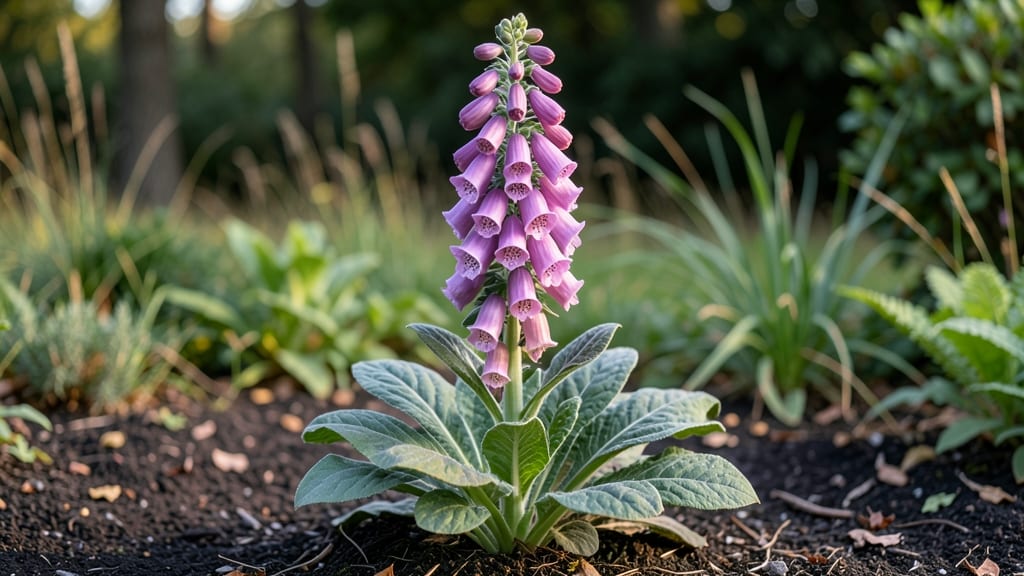
Those iconic foxglove seed pods hold next year’s towering, bell-shaped blooms—if you know how to handle them. 🌿 I’ve learned the hard way that rushing the drying process or storing them wrong means wasted seeds, so I’m sharing the exact steps that guarantee germination rates over 80% when sown properly.
The best time to harvest is when the pods turn brown and papery—usually 4-6 weeks after flowering—but before they split open. Lay them on wire racks in a dry, shaded spot for 2-3 weeks, turning them occasionally to prevent mold.
Once completely dry, store them in paper envelopes in a cool, dark place until spring.
When sowing, stratification is key—mix seeds with moist sand and refrigerate for 4-6 weeks before planting. The payoff? Taller, more robust plants with those signature fragrant blooms by mid-summer. Just watch for slugs—they adore fresh foxglove seedlings!
Works for Digitalis purpurea and other varieties, though some hybrids may not come true. Start small—foxglove seeds are light-sensitive, so keep them covered until germination. Here’s to next year’s showstopper blooms!
📚 In This Guide
- What you need
- Instructions
- Tips and common mistakes
- Wrapping up and next steps
What you need
- ● Mature foxglove seed pods: Collect pods from healthy plants after they’ve turned brown and dried naturally on the plant (usually late summer to early fall). Aim for at least 10-15 pods for a good yield.
- ● Pruning shears or sharp scissors: For cleanly harvesting pods without damaging the stems.
- ● Brown paper bags or breathable paper envelopes: Use 2-3 bags (one per 5-7 pods) to allow airflow and prevent moisture buildup.
- ● Newspaper or cardboard: Line a tray or flat surface to catch any seeds or debris during handling.
- ● Rubber bands or twine: To secure bags or bundles of pods for hanging.
- ○ Drying rack or mesh screen: Optional but helpful for elevated airflow. A simple DIY rack with chicken wire works!
- ● Small paper clips or labels: To mark bags with the date and plant variety (e.g., "Foxglove ‘Giant Candles’ – 2024").
- ● Desiccant packets: Place 1-2 in sealed storage containers to absorb excess moisture (great for humid climates).
- ● Air-tight seed storage containers: With silica gel packets for long-term preservation (e.g., Mason jars or plastic seed envelopes).
- ● Hand lens or magnifying glass: For inspecting pods for pests or mold before storage.
- ● Spray bottle with water: A light mist to revive pods if they dry out too much during storage.
How to harvest, dry, and store foxglove seed pods
Here's the foolproof method I use to preserve foxglove seeds year after year—no fancy equipment needed.
🌿 Step 1: Identify and Harvest Mature Seed Pods
Wait until the flower spikes have completely browned and dried on the plant—this usually happens 6-8 weeks after blooming. The seed pods will feel papery and split open easily when gently squeezed. I harvest on a dry morning after the dew has evaporated to prevent moisture from encouraging mold.
Use clean, sharp scissors or pruners to cut the entire dried spike 2-3 inches below the pods. This stem section helps support the pods during drying. Place the harvested spikes in a paper bag (not plastic) and leave them in a dry, shaded spot for 24 hours to air out any residual moisture.
⏰ Step 2: Dry the Seed Pods Thoroughly
Spread the dried spikes on a clean, dry surface like a mesh screen or baking sheet. Choose a location with good air circulation and 60-70°F temperatures. Keep them out of direct sunlight, which can cause the pods to overheat and crack prematurely.
Turn the spikes every 2-3 days to ensure even drying. The pods are ready when they open naturally and release seeds easily when touched. This typically takes 7-14 days, depending on your climate's humidity. If you see any signs of mold or softness, discard those pods immediately.
🪴 Step 3: Extract and Store the Seeds
Once the pods are completely dry, place them in a paper bag and gently shake or rub them to release the seeds. I like to do this over a clean sheet of paper to catch any stray seeds. The seeds should be small, dark, and wrinkled—any that look shriveled or discolored should be discarded.
Store the viable seeds in an airtight container like a glass jar with a tight-sealing lid. Add a small packet of silica gel or a few drops of mineral oil to absorb any remaining moisture. Label the container with the date and foxglove variety. When stored properly, these seeds will remain viable for 2-3 years.
💧 Step 4: Prepare for Next Year’s Planting
Before sowing, I recommend a stratification period to improve germination rates. Mix the seeds with slightly damp sand in a sealed container and refrigerate for 4-6 weeks. This mimics the natural winter conditions foxglove seeds need to break dormancy.
After stratification, sow the seeds ¼ inch deep in a well-draining seed-starting mix. Keep the soil consistently moist but not soggy, and place the container in a cool, bright location. Germination can take 2-4 weeks, so be patient. Thin seedlings to 6 inches apart once they develop their first true leaves.
Tips & tricks for perfect foxglove seed pod preservation
These practical insights will help you maximize your foxglove seed yield and storage success—saving you time and frustration.
Timing Secret: The 6-8 week waiting period after blooming is crucial for seed maturity. I've learned to mark my calendar when I first spot those delicate foxglove flowers—this helps me track when to harvest. If you're in a particularly wet climate, consider harvesting slightly earlier (around 5-6 weeks) since excess moisture can cause premature pod splitting before seeds are fully developed.
Harvesting Technique: When cutting those dried spikes, leave that 2-3 inch stem section—it's not just for support during drying, but also helps you identify which pods are truly mature. The stem should feel completely dry and brittle. I always harvest on dry mornings because dew can introduce moisture that encourages mold during the critical 24-hour air-out period in Step 1.
Drying Environment: The 60-70°F temperature range for drying is ideal because it balances evaporation with pod integrity. If your home runs cooler, consider using a seedling heat mat set to low (around 70°F) under your drying surface. Just be vigilant—anything above 75°F can cause the pods to crack prematurely, spilling seeds before you're ready to harvest them.
Storage Wisdom: For that 2-3 year viability promise, I've found that adding both silica gel packets AND a few drops of mineral oil creates the perfect moisture barrier. The silica absorbs any residual humidity, while the oil forms a protective seal. I like to store my containers in the darkest part of my pantry—light exposure can degrade seed quality over time.
Pro Tips for Foxglove Seed Pods
- These practical insights will help you maximize your foxglove seed yield and storage success—saving you time and frustration.
- Timing Secret: The 6-8 week waiting period after blooming is crucial for seed maturity.
- Harvesting Technique: When cutting those dried spikes, leave that 2-3 inch stem section—it's not just for support during drying, but also helps you identify which pods are truly mature.
Frequently asked questions
about foxglove seed pods—because every gardener deserves a little clarity!When is the best time to harvest foxglove seed pods?
Harvest seed pods when they turn light brown and begin splitting open naturally—usually late summer to early fall. Wait until the pods are fully dried but still intact to avoid losing seeds to wind or wildlife. If harvested too early, seeds may not mature properly.
How long do foxglove seeds stay viable for storage?
Foxglove seeds typically remain viable for 1–2 years if stored correctly in a cool, dry place (like a sealed envelope or paper bag). For best results, label and date your storage containers to track freshness. After 2 years, germination rates may drop significantly.
Can I save seeds from hybrid foxgloves?
Yes, but expect unpredictable results—hybrid foxgloves may not grow true to the parent plant. If you want consistent blooms, opt for open-pollinated varieties or buy fresh seeds from a reputable supplier. Patience is key: hybrid seeds might surprise you with unique (but not guaranteed) traits!
Are foxglove seed pods safe for my garden ecosystem?
Foxglove seed pods are non-toxic to wildlife once dried, but the plant itself is highly toxic if ingested (especially leaves/seeds). Keep pods away from pets and children. However, they’re a great food source for birds once fully dried—just ensure no green parts remain!
What if my seed pods mold or get wet during storage?
If moisture sneaks in, act fast! Remove seeds from damp pods immediately, spread them on a paper towel to dry, then transfer to a new, airtight container with a desiccant packet. Moldy seeds won’t germinate—so discard any suspicious pods to avoid spoiling your entire stash.
Wrapping up and next steps
Foxglove seed pods are nature’s way of preserving beauty for seasons to come—with just a little patience and care, you can turn this year’s blooms into next year’s stunning garden centerpieces! 🌸 Whether you’re a seasoned gardener or a curious beginner, drying and storing these pods is a rewarding project that connects you to the cycle of growth. Now’s your chance to take that next step: gather your pods, find a cozy spot to dry them, and watch as your garden transforms into a fragrant haven once again.
Pro tip: Share your progress with fellow gardeners—inspiration spreads like wildflowers! 🌿