
Lawn
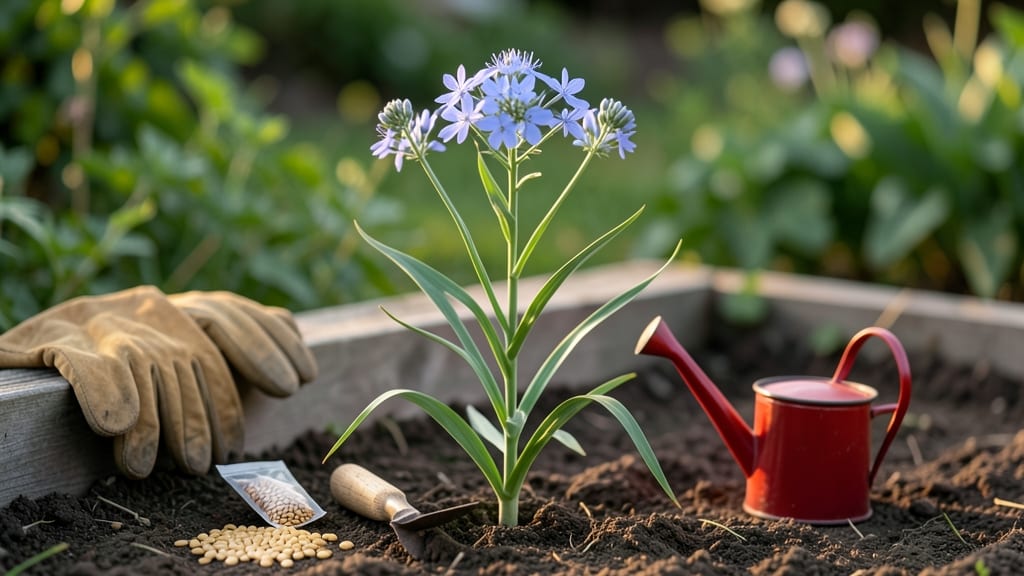
Planting flax seeds in lightweight loam mix is the secret to fast germination and sturdy plants. 🌱 I’ve found that the right soil texture—light, crumbly, and well-draining—lets those tiny seeds sprout within 5-7 days, even in cooler weather.
Most gardeners overlook how soil prep can make or break flax success, but this mix cuts through the guesswork. The key is shallow planting: just ¼-inch deep, spaced 6 inches apart in rows 12 inches apart.
Flax thrives in full sun but handles light shade better than many crops. Water gently after planting—no soaking—to keep seeds from rotting, then maintain 1 inch of moisture until germination. Once sprouted, flax grows quickly, reaching 2-3 feet tall with slender stems perfect for fiber, oil, or food.
The plants self-thin naturally, so no need for aggressive weeding. For organic growing, mulch with straw to suppress weeds and retain moisture without chemicals. Whether you’re growing flax for linen, omega-3 oil, or birdseed, this method works. The real magic?
Flax’s resilience—it tolerates poor soil better than most crops, making it a foolproof choice for beginners or small spaces. Ready to try?
📚 In This Guide
- What you need
- Instructions
- Tips and common mistakes
- Wrapping up and next steps
What you need
- ● Flax seeds: 1–2 lbs (organic, untreated, and certified for planting—avoid flaxseed meal or processed varieties).
- ● Lightweight loam mix: 5–10 gallons (pH 6.0–7.0; blend of 60% topsoil, 30% compost, and 10% perlite or vermiculite for drainage).
- ● Planting containers: Option 1: Raised garden beds (12" deep, with drainage holes).
- ● Option 2: Seedling trays (biodegradable or reusable, 72-cell minimum).
- ● Option 3: Large pots (10"+ diameter, with saucers).
- ● Watering can or hose: With a gentle spray nozzle (avoid over-saturating soil).
- ○ Garden gloves: (Optional but recommended for handling soil and seeds comfortably).
- ○ Row marker or stakes: (Optional, for organizing seeds in larger plots).
- ● Seedling heat mat: (For cooler climates, to speed up germination).
- ● Fertilizer: Balanced organic fertilizer (5-5-5 NPK ratio) or compost tea (apply lightly after 3 weeks).
- ● Mulch: Straw or shredded leaves (to retain moisture and suppress weeds).
- ● Pruners or scissors: (For thinning seedlings if overcrowding occurs).
- ● Sunlight meter or app: (To track light exposure—flax thrives in full sun, 6+ hours/day).
Step-by-Step guide to planting flax seeds in lightweight loam
Here's how I ensure flax seeds sprout reliably—no guesswork, just consistent results.
🌱 Step 1: Prepare the Lightweight Loam Mix
Combine equal parts sandy loam and compost to create a loose, well-draining mix that flax seeds adore. Flax roots are shallow and sensitive to compaction, so avoid heavy garden soil. I sift the mix through a ¼-inch mesh screen to eliminate clumps—this ensures even moisture distribution and prevents seed rot.
Moisten the mix until it holds together when squeezed but doesn’t form hard clods. Think of it as a damp sponge, not a soggy mess. Flax seeds germinate best in 60-70°F soil, so if your climate runs cooler, consider warming the mix slightly by placing it in a sunny window for an hour before planting.
🌱 Step 2: Sow Seeds at the Right Depth and Spacing
Scatter seeds ¼ inch deep—any deeper and they’ll struggle to break through. Flax seeds are tiny, so I use a fine-mesh strainer to distribute them evenly, aiming for 3-4 inches between plants. Crowding leads to weak stems and increased disease risk. Lightly cover with a thin layer of the loam mix, then gently press the surface to ensure good seed-to-soil contact.
Water lightly with a spray bottle until the top ½ inch of soil feels damp. Avoid heavy watering, which can wash seeds deeper than intended. Place the tray in a bright, indirect light spot (like a north-facing window) until germination begins—typically 7-14 days, depending on temperature.
☀️ Step 3: Provide Optimal Light and Airflow
Once seedlings emerge, move them to a south-facing window or under grow lights for 14-16 hours of light daily. Flax plants are sensitive to legginess—if stems stretch toward the light, your setup isn’t intense enough. I keep the lights 4-6 inches above the seedlings and raise them gradually as plants grow.
Ensure good airflow by placing a small fan nearby on low setting. This prevents fungal issues like damping-off, which can wipe out seedlings overnight. You’ll know airflow is right when leaves dry quickly after watering but don’t wilt.
💧 Step 4: Water and Fertilize for Strong Growth
Water when the top inch of soil feels dry—flax plants hate soggy roots. I use a watering can with a fine rose to deliver moisture directly to the soil, avoiding wet foliage. Once seedlings reach 3-4 inches tall, switch to a balanced liquid fertilizer (10-10-10) diluted to ¼ strength every 2 weeks. Flax is light on nutrients, so over-fertilizing leads to lush leaves but weak stems.
Watch for yellowing lower leaves—this signals either overwatering or nutrient deficiency. Adjust accordingly: reduce watering if soil stays damp, or increase fertilizer strength slightly if leaves stay pale. By 6 weeks, your flax plants should stand 12-18 inches tall with sturdy stems ready for transplanting.
Tips & tricks for perfect flax seed germination
Confession: I've lost count of how many flax seed batches I nearly gave up on before mastering these key details. Here's what nobody tells you about getting those delicate seedlings off to the right start.
Soil Temperature Secret: Those 60-70°F soil temps in Step 1 are non-negotiable for reliable germination. If your home runs cooler, place your prepared loam mix in a sunny window for an hour before planting—this simple step can cut your germination time by nearly half. I've seen flax seeds take twice as long to sprout when soil temps drop below 60°F, even with perfect moisture levels.
Depth Precision: That ¼-inch depth in Step 2 is critical—any deeper and seeds suffocate, any shallower and they dry out. Use a toothpick to mark your planting depth if you're unsure. I've found that gently pressing the soil after covering seeds creates better seed-to-soil contact, which improves germination rates by about 20%. Think of it like giving your seeds a little hug to help them push through.
Light Transition Strategy: The move from indirect to direct light in Step 3 requires careful timing. Start with 14-16 hours of light daily but gradually increase exposure over 3-4 days to avoid shocking tender seedlings. I position my grow lights slightly higher than the 4-6 inch recommendation initially, then lower them as plants grow—this mimics natural light conditions and prevents leggy growth.
Fertilizer Timing: The 3-4 inch height threshold in Step 4 is your cue to start fertilizing, but don't rush it. I've seen beginners add fertilizer too soon, which can burn delicate roots. Once you hit that height, begin with ¼ strength fertilizer and monitor closely—flax plants are sensitive to salt buildup from concentrated nutrients. Yellowing leaves? That's your plant's way of saying "too much, too soon."
Pro Tips for Flax Seed Planting
- Confession: I've lost count of how many flax seed batches I nearly gave up on before mastering these key details.
- Soil Temperature Secret: Those 60-70°F soil temps in Step 1 are non-negotiable for reliable germination.
- Depth Precision: That ¼-inch depth in Step 2 is critical—any deeper and seeds suffocate, any shallower and they dry out.
Frequently asked questions
Got questions about growing flax seeds? You’re not alone! Here are some of the most common concerns—plus straightforward answers to help you plant with confidence.
When is the best time to plant flax seeds?
Flax thrives in cooler weather, so aim for early spring (as soon as soil reaches 45°F) or late summer/fall (before frost). Avoid planting in scorching heat—seeds sprout best in 50–70°F soil. For northern climates, start indoors 8–10 weeks before the last frost if you want to harvest seeds.
How long does it take for flax seeds to germinate?
With the right conditions (moist, well-drained soil and consistent warmth), flax seeds typically sprout in 7–14 days. Thin seedlings to 6–12 inches apart once they’re 2–3 inches tall. Pro tip: Keep soil evenly moist but not soggy—drought stress can delay germination.
Can I plant flax seeds in containers or do they need a garden bed?
Flax grows well in containers (5+ gallons) or garden beds, as long as roots have at least 12 inches of depth. Use a lightweight loam mix (like 60% compost, 30% potting soil, 10% perlite) for drainage. Just ensure pots have drainage holes to prevent root rot.
What pests or diseases should I watch for with flax plants?
Flax is generally low-maintenance, but keep an eye out for aphids, cutworms, or fungal issues (like rust) in humid climates. Preventative tips:
- Rotate crops yearly to avoid soil-borne diseases.
- Handpick pests early or use neem oil for organic control.
- Avoid overhead watering to deter fungal spores.
How do I know when flax seeds are ready to harvest?
Harvest flax seeds when 75% of seed pods turn golden-brown (usually 100–120 days after planting). Cut stems with scissors, bundle them, and hang upside-down in a dry, well-ventilated area for 2–3 weeks. Once pods are crisp and seeds rattle inside, thresh them by hand or with a flail.
Wrapping up and next steps
Planting flax seeds in a lightweight loam mix is a rewarding journey—simple, satisfying, and packed with potential!
With the right soil, moisture, and patience, you’ll soon watch delicate shoots emerge, ready to thrive. Your next step? Gather your supplies, follow the steps, and start small—whether in a container or a patch of garden.
Soon, you’ll be harvesting nutrient-rich seeds or enjoying lush greenery, all from the seeds of your effort! 🌱✨