
Lawn
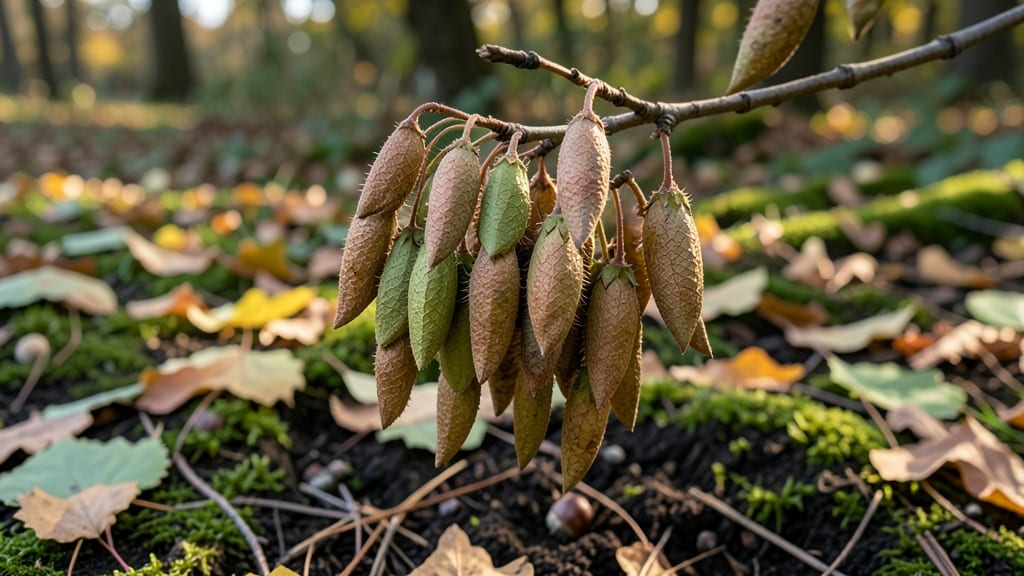
Harvesting beech seed pods turns your fall walks into a free source of future shade trees. 🌿 These spiky little capsules hold the promise of towering beech trees—if you collect and store them right.
I’ve turned my backyard into a beech forest by mastering this simple process, and you can too. The key is timing: wait until the pods open naturally in late fall, then gently shake them into a bag. Store them in a cool, dry place until spring planting.
No fancy equipment needed—just patience and a little space in your yard. By next spring, you’ll be planting seeds that sprout into sturdy seedlings. These trees thrive in full sun to partial shade and handle most soil types, making them perfect for home landscapes or woodland restoration.
Whether you’re restoring a forest or just adding shade to your property, beech trees grow reliably from seed. Here’s how to make it work without the guesswork.
📚 In This Guide
- What you need
- Instructions
- Tips and common mistakes
- Wrapping up and next steps
What you need
- ● Gloves (nitrile or leather): 1 pair (to protect hands from prickly pods and potential allergens).
- ● Pruning shears or sharp scissors: 1 pair (for clean cuts without damaging the tree).
- ● Large paper bags or breathable mesh sacks: 3–5 bags (10–15 gallons each; avoid plastic to prevent moisture buildup).
- ● Labeling tags and marker: 1 set (to track collection dates and tree locations).
- ○ Ladder (optional but helpful): 1 (6–10 ft tall, with a stable platform for higher branches).
- ● Beech seed pods: Freshly fallen or freshly harvested (aim for 50–100 pods per batch for experimentation).
- ● Bucket or wheelbarrow: 1 (for transporting pods to a dry workspace).
- ● Drying tray or screen: 1 (for spreading pods in a single layer to dry evenly).
- ● Fan or dehumidifier: 1 (to speed up drying in humid climates).
- ● Seed storage containers: Airtight jars or vacuum-sealed bags (for long-term germination readiness).
- ● Camera or notebook: 1 (to document pod stages or tree locations for future reference).
- ● Allergy medication: (Just in case—some folks react to beech pollen or sap!).
How to harvest and store beech seed pods for spring planting
Here’s the simple, no-fuss method I’ve used for years to collect beech seeds—no special tools required.
🌱 Step 1: Identify and Collect Ripe Seed Pods
Wait until late fall or early winter when the spiky husks turn brown and begin splitting open naturally. The best time is after the first hard frost, when the pods release seeds easily but haven’t been scattered by wind or animals. Look for trees with abundant seed production—you’ll see clusters of triangular pods hanging from branches.
Wear gloves to protect your hands from the sharp husks. Gently twist or pull the pods from the tree, but don’t force them—they should come off with minimal pressure. If a pod resists, it’s not ready yet. Collect about 4-5 pods per tree for reliable germination, as not all seeds will sprout.
🪴 Step 2: Extract and Clean the Seeds
Spread the collected pods on a clean, dry surface like a tarp or cardboard. Let them sit for a day or two in a dry, sheltered spot so any remaining moisture evaporates. This prevents mold when you store them later. Once dry, place the pods in a paper bag and shake them vigorously or gently crush them with your hands to release the seeds.
Remove any debris, broken husks, or empty seed cases. Healthy beech seeds are small, glossy, and oval-shaped with a pointed tip. Discard any seeds that look shriveled, discolored, or damaged. Store the good seeds in a small paper envelope or breathable fabric bag—plastic traps moisture and causes rot.
☀️ Step 3: Stratify Seeds for Successful Germination
Beech seeds need a cold period to break dormancy, a process called stratification. Place the seeds in a sealed plastic bag with a damp paper towel or sphagnum moss. Store the bag in your refrigerator’s crisper drawer for 60-90 days. Check the towel every few weeks—it should stay moist but not soggy. If it dries out, mist it lightly with water and reseal the bag.
This cold treatment mimics winter conditions and tricks the seeds into thinking spring has arrived. After stratification, you’ll see the seeds start to plump up slightly—they’re ready for planting. Don’t rush this step; insufficient cold time means poor or no germination.
🌿 Step 4: Plant Stratified Seeds in Spring
Wait until late winter or early spring, just before your last frost date, to plant the seeds. Fill small pots or a seed tray with well-draining potting mix. Press a seed about ½ inch deep into the soil, spacing them 1 inch apart. Gently cover with a thin layer of soil and mist the surface with water until evenly moist.
Place the pots in a warm, bright spot (like a sunny windowsill) but avoid direct sunlight until the seeds sprout. Keep the soil consistently moist but not waterlogged. Germination can take 4-8 weeks, so be patient. Once seedlings emerge, thin them to the strongest one per pot, giving them room to grow.
⏰ Step 5: Transplant Seedlings to Their Permanent Home
After the last frost, when seedlings have 2-3 sets of true leaves and are about 3-4 inches tall, they’re ready to move outdoors. Harden them off by placing the pots outside in a sheltered spot for a few hours each day, gradually increasing their time outdoors over 1-2 weeks.
Choose a location with partial shade and well-draining soil. Dig a hole slightly larger than the root ball, place the seedling in, and backfill with soil. Water deeply to settle the roots. Beech trees grow slowly, so give them space—plant them at least 15-20 feet apart if you’re aiming for a mature tree. Mulch around the base to retain moisture and suppress weeds.
Tips & tricks for perfect beech seed harvesting
Here's what nobody tells you about collecting beech seed pods—these tricks will save you time and frustration.
Timing is Everything: The window for harvesting ripe pods is narrow—aim for the week after a hard frost when husks turn completely brown but haven't released seeds yet. I've missed this window twice and ended up with either green pods (not ready) or empty husks (too late). Check daily during this critical period, especially if you have multiple trees to harvest from.
Gloves Are Non-Negotiable: Those spiky husks might look harmless, but they'll leave painful scratches on your hands. I learned this the hard way after trying to rush the collection without protection. Wear thick gardening gloves or even heavy-duty work gloves—they'll make the process much more comfortable and prevent those annoying little cuts that can get infected.
Storage Wisdom: After extracting seeds, store them in paper envelopes or breathable fabric bags—never plastic. I once stored seeds in a ziplock bag for convenience and woke up to moldy seeds after just two weeks. The paper allows moisture to escape while keeping pests out, and it won't trap condensation like plastic does. Label each bag with the collection date for easy tracking.
Stratification Shortcut: While the 60-90 day cold period is ideal, you can actually speed this up slightly by using your freezer instead of the fridge. Place the sealed bag in your freezer for 45-60 days instead—just check it weekly to ensure the paper towel stays moist. This works because freezers maintain a more consistent cold temperature than most fridges, which can have temperature fluctuations in the crisper drawer.
Pro Tips for Beech Seed Pods
- Here's what nobody tells you about collecting beech seed pods—these tricks will save you time and frustration.
- Timing is Everything: The window for harvesting ripe pods is narrow—aim for the week after a hard frost when husks tu...
- Gloves Are Non-Negotiable: Those spiky husks might look harmless, but they'll leave painful scratches on your hands. ...
Frequently asked questions
Got questions about harvesting beech seed pods?
Here are answers to the most common ones—so you can gather, store, and plant with confidence!
When is the best time to harvest beech seed pods?
Harvest beech seed pods in late fall to early winter (November–January) when they’re dry and brown. Avoid collecting them too early—they won’t germinate well, and too late, they may sprout in storage. Look for pods that rattle when shaken (a sign of mature seeds inside).
How do I tell if beech seed pods are ready to collect?
Ready-to-harvest pods are hard, dry, and papery, often splitting open slightly. Press a pod gently—if it feels brittle and the seeds inside jingle, it’s time to pick. Avoid green or moist pods; they won’t store well and may mold. Pro tip: Collect on a dry day to prevent dampness.
What’s the best way to store beech seed pods for planting next year?
Store pods in a cool, dry place (like a paper bag or breathable container) in a dark closet or basement (40–50°F ideal). Avoid plastic bags—they trap moisture. Label with the harvest date! Seeds stay viable for 1–2 years if stored properly. Bonus: Mix pods with dry sand to reduce humidity.
Can I plant beech seed pods directly in the ground, or do they need stratification?
Beech seeds don’t require stratification—just sow them in fall or early spring in well-drained soil. Scatter pods on bare ground (no need to bury deep) and lightly rake. Germination takes 2–4 weeks in ideal conditions. Tip: Keep soil moist but not soggy during germination.
Why aren’t my beech seed pods germinating?
Common culprits: old seeds (over 2 years), poor soil drainage, or burying too deep. Try scarifying seeds (nick the shell with sandpaper) or soaking them overnight to encourage sprouting. If pods are moldy or smell bad, they’re past their prime—collect fresh ones next season!
Wrapping up and next steps
Harvesting beech seed pods may seem tricky, but with the right tools and timing, you can ensure a bountiful yield for next year’s germination! 🌱 Whether you’re a seasoned gardener or a curious beginner, these stress-free methods make the process simple and rewarding. Now that you’re equipped with knowledge, why not share your success—or even the pods—with fellow plant enthusiasts?
Ready to take the next step? Mark your calendar for next fall and gather your supplies—your future beech seedlings will thank you! 🌿