
Lawn
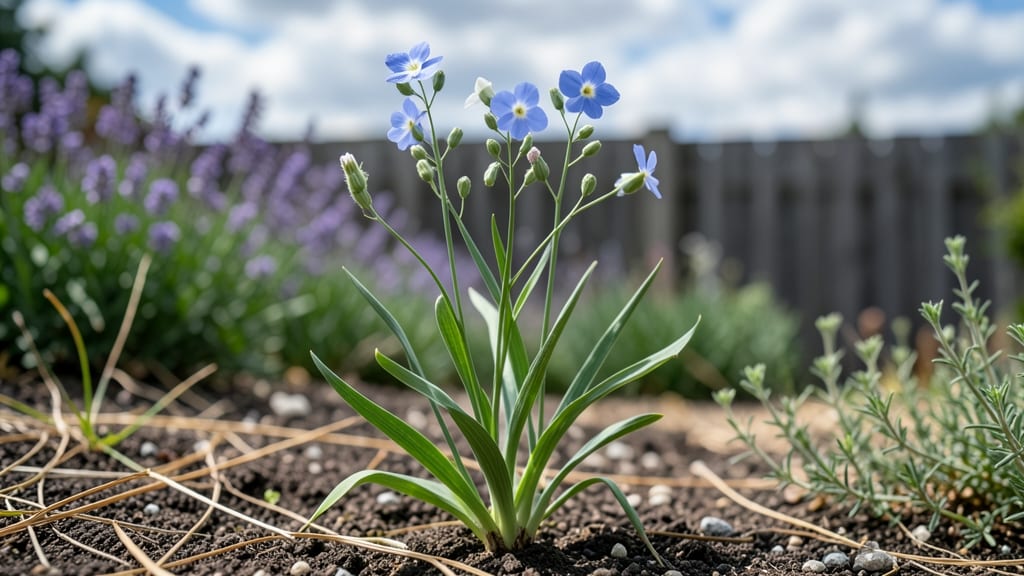
Growing flax seed flowers from scratch is easier than you think—especially when you use cold-stratified seeds that bloom in just 60 days. 🌱 I've turned my backyard into a sea of delicate blue flax blooms by following a few key steps, and you can too, whether you're growing them for their stunning ornamental display or harvesting seeds for fiber.
The secret starts with soil prep: flax thrives in well-draining, slightly sandy loam with a pH between 6.0 and 7.5. Plant seeds ¼ inch deep in rows spaced 12 inches apart after your last frost date, and give them full sun—at least 6-8 hours daily.
Water lightly but consistently, keeping the soil moist but never soggy, which is where most beginners go wrong. You'll see those first pale green shoots emerge within 7-10 days, followed by rapid growth that leads to clusters of sky-blue flowers by late spring.
The blooms attract pollinators and add a dreamy texture to any garden, while the seeds can be collected for oil or fiber once the plants turn brown and dry. This method works for both ornamental gardens and small-scale fiber production.
Just avoid overcrowding, and you'll have a low-maintenance crop that rewards you with beauty and utility.
📚 In This Guide
- What you need
- Instructions
- Tips and common mistakes
- Wrapping up and next steps
What you need
- ● Flax seeds (Linum usitatissimum): 1–2 lbs (450–900g) of high-quality, organic seeds (ensure they’re labeled for flowering varieties, not just fiber or linseed oil types).
- ● Cold-stratification supplies: A resealable plastic bag or airtight container
- ● Moistened paper towels or a damp cloth (enough to cover seeds)
- ● Refrigerator space (35–40°F / 2–4°C)
- ● Growing containers: 4–6 small pots (4–6 inches deep) or a seed tray with drainage holes. Use well-draining soil mix (e.g., 50% potting soil + 50% perlite/sand).
- ● Watering can or spray bottle (gentle watering is key!).
- ● Garden labels (to track planting dates and varieties).
- ● A grow light (if starting indoors with limited sunlight).
- ● Seedling heat mat (to speed up germination in cooler climates).
- ● Organic compost or worm castings (for nutrient-rich soil).
- ● Twine or stakes (for supporting taller flax plants later).
- ● Hummer or pruning shears (for harvesting flowers).
Step-by-step instructions for growing flax seed flowers
Cold-stratification unlocks flax seeds' potential—here's how to coax vibrant blooms in just 60 days.
🌱 Step 1: Prepare Seeds with Cold Stratification
Flax seeds need a 6-8 week cold treatment to break dormancy. Place them in a sealed container with a damp paper towel—just enough moisture to feel slightly damp, not soaking. Store this in your refrigerator's crisper drawer where temperatures stay around 35-40°F.
Check weekly and mist with water if the towel dries out. You'll see tiny roots (about ¼ inch long) emerge after 3-4 weeks. This is your signal the seeds are ready for planting. Don't skip this step—without cold stratification, many seeds simply won't germinate.
🪴 Step 2: Plant Pre-Stratified Seeds in Well-Draining Soil
Fill your planting containers with light, well-draining soil mix—flax hates soggy roots. I like to blend equal parts potting soil and perlite for perfect drainage. Plant seeds ¼ inch deep, spacing them 6 inches apart since flax grows into a 2-3 foot tall plant.
Water gently until the soil surface looks damp but not wet. Press lightly around each seed to ensure good soil contact. Place the containers in a sunny windowsill or under grow lights for 12-14 hours of light daily. You'll see sprouts in 7-14 days—watch for the first true leaves (not the initial seed leaves) to appear.
☀️ Step 3: Provide Consistent Light and Moisture
Flax thrives in full sun, so move seedlings outdoors after hardening off (gradually exposing them to outdoor conditions for 10-14 days). Plant in a location with 6+ hours of direct sunlight daily. The stems will grow tall and sturdy in optimal conditions.
Water when the top inch of soil feels dry—flax is drought-tolerant once established, but young plants need consistent moisture. Mulch around the base with 1 inch of straw to retain moisture and suppress weeds. You'll notice the first flower buds form after about 60 days from planting.
✂️ Step 4: Support and Maintain for Blooms
As plants reach 18-24 inches tall, they may need staking to prevent flopping. Install 3-foot tall stakes and loosely tie stems with soft garden twine. This keeps plants upright for better air circulation and easier harvesting.
Deadhead spent blooms regularly to encourage continuous flowering. Flax produces delicate blue flowers that self-seed readily—if you want to collect seeds, leave a few flower heads to mature completely. Watch for aphids on young growth and treat with neem oil if needed. With proper care, your plants will reward you with blooms for 4-6 weeks.
Tips & tricks for perfect flax seed flower growth
Here's what nobody tells you about growing these delicate blooms from seed—tricks that'll make all the difference between struggling seedlings and showstopping flowers.
Cold Stratification Secret: The 6-8 week cold treatment isn't just about breaking dormancy—it's about setting the stage for strong roots. I like to use a small plastic container with ventilation holes (poke them yourself if needed) to prevent condensation buildup. Place a thermometer in your fridge to confirm those 35-40°F temps consistently, since fluctuations can delay germination. Once you see those ¼-inch roots, your seeds are ready to plant—no need to rush!
Soil Mix Matters: That light, well-draining soil mix is non-negotiable. I've tried regular potting soil alone, and the roots get waterlogged. The perlite blend I mentioned creates perfect air pockets while still holding enough moisture. For extra insurance, add a handful of coarse sand to your mix—it helps prevent compaction as the plants grow. And here's a pro move: sterilize your soil mix by baking it in the oven at 200°F for 30 minutes before planting to kill any fungal spores that could harm your seedlings.
Lighting Strategy: Those 12-14 hours of light daily are crucial, but quality matters more than quantity. If using grow lights, position them just 6 inches above seedlings to prevent leggy growth. I rotate my containers daily so all sides get even light exposure. For indoor growers, a simple LED bulb with full spectrum coverage works wonders—just don't skimp on wattage. And watch for those first true leaves (they'll look different from the initial seed leaves) as your signal that the plant is really getting established.
Pro Tips for Flax Seed Flower
- Here's what nobody tells you about growing these delicate blooms from seed—tricks that'll make all the difference bet...
- Cold Stratification Secret: The 6-8 week cold treatment isn't just about breaking dormancy—it's about setting the sta...
- Soil Mix Matters: That light, well-draining soil mix is non-negotiable. I've tried regular potting soil alone, and th...
Frequently asked questions
Got questions about growing flax seed flowers from cold-stratified seeds? You’re not alone! Here are answers to the most common queries to help you cultivate a thriving garden:
How do I know if my flax seeds are properly cold-stratified?
Cold-stratification is complete when seeds have spent 4–6 weeks in the fridge (or buried outdoors in winter). Look for no visible sprouts yet—they’ll germinate after planting, not during stratification. If seeds sprout early, they’re likely over-stratified. Store them in a damp paper towel in a sealed bag for 4–6 weeks at 33–40°F (1–4°C).
Why aren’t my flax seeds germinating after 60 days?
Flax seeds are slow germinators—some take up to 100 days in cool soil. Check these troubleshooting steps:
- Temperature: Ideal soil temps are 50–65°F (10–18°C). Use a seedling heat mat if your climate is too cold.
- Moisture: Keep soil consistently damp (not soggy). Flax seeds need oxygen to sprout—avoid waterlogging.
- Depth: Plant seeds ¼ inch deep. Deeper planting can delay or prevent germination.
Can I grow flax flowers in containers, or do they need a garden bed?
Flax thrives in containers with proper care. Use pots at least 6 inches deep and wide, with drainage holes. A 50/50 mix of potting soil and perlite mimics loose garden soil. Place containers in full sun (6+ hours daily) and water when the top inch of soil feels dry. Just ensure your container stays stable—flax can grow 2–4 feet tall!
What can I do with flax flowers after they bloom?
Flax flowers are versatile! Here’s how to use them:
- Seed Harvesting: Let seed pods dry on the plant, then collect and thresh seeds for flaxseed oil, linens, or birdseed.
- Dried Arrangements: Harvest blooms before they fade, dry upside-down in bundles, and use in wreaths or potpourri.
- Compost: Cut back dead plants and add to your compost pile—they break down easily.
Do flax flowers attract pollinators, and how can I boost their visits?
Yes! Flax flowers are pollinator magnets, especially for bees and butterflies. To attract more:
- Plant in clusters (not rows) for easier navigation.
- Avoid pesticides—flax is low-maintenance and rarely needs chemicals.
- Add companion plants like borage, marigolds, or clover to create a pollinator buffet.
Wrapping up and next steps
Growing flax seed flowers from cold-stratified seeds is a rewarding journey that yields stunning blooms in just 60 days! With the right materials and patience, you’ll enjoy vibrant blue or purple flowers that brighten any garden—and—boost your lawn’s beauty and biodiversity. 🌱✨
Ready to dive in? Start by gathering your supplies, then follow the step-by-step guide to kickstart germination. Once your seeds sprout, nurture them with care, and soon, you’ll be surrounded by a sea of delicate flax flowers. Happy growing!