
Lawn
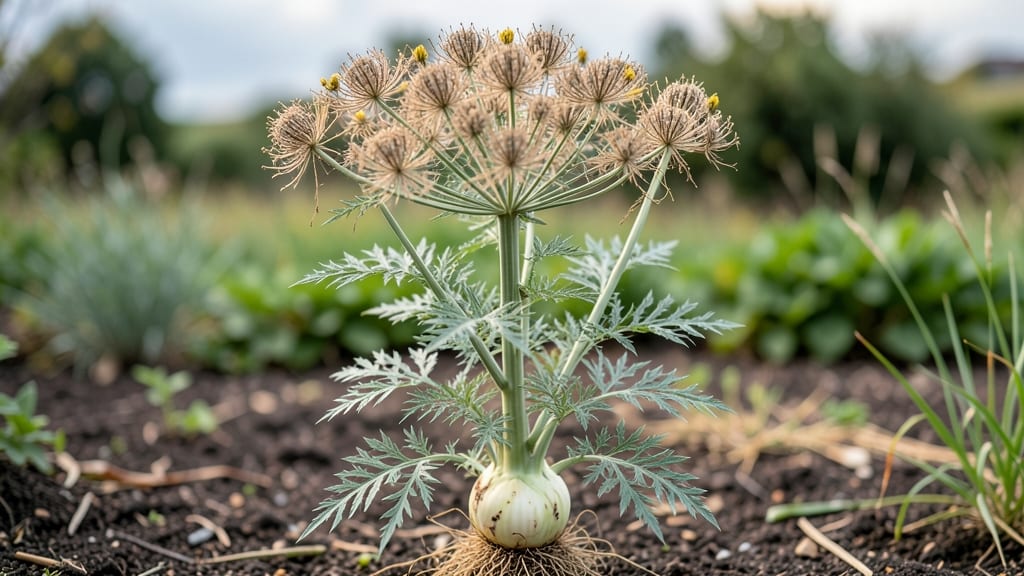
Harvesting fennel seed heads without the frustrating twist-off struggle is a game-changer. 🌿 I’ve spent years dealing with those stubborn stems—until I discovered the simple trick that lets you collect seeds cleanly, every season.
The key is patience and knowing exactly when (and how) to cut them, so you end up with plump, viable seeds instead of brittle, empty husks.
Fennel plants develop those feathery seed heads in late summer, turning from green to golden-brown as they mature. The challenge? Most gardeners pull or twist them off too early, losing seeds to pests or weather.
With the right timing—waiting until the stems dry to a crisp, papery texture—you’ll harvest seeds that stay fresh for months, perfect for sowing or spicing up dishes.
You’ll end up with enough seeds to replant next year’s fennel patch or share with neighbors who love fresh anise-flavored seeds. The dried heads also make stunning dried arrangements, adding a rustic touch to winter decor.
Plus, you’ll avoid the heartbreak of watching seed heads shatter in the wind or get munched by birds.
This method works whether you’re growing fennel in your vegetable garden, a container on your balcony, or even as an ornamental plant. The only real challenge is resisting the urge to harvest too soon—those seed heads need time to fully mature. Let’s get those seeds growing!
📚 In This Guide
- What you need
- Instructions
- Tips and common mistakes
- Wrapping up and next steps
What you need
- ● Mature fennel plants – At least 3–5 plants (or more if you want a larger yield), with fully developed seed heads (brown, papery, and dry).
- ● Pruning shears or sharp scissors – For clean cuts without damaging the plant.
- ● Paper bags or breathable mesh bags – 2–3 medium-sized bags (10x12 inches) to collect seed heads and allow airflow.
- ● Drying rack or clean, dry surface – A screen, tray, or even cardboard with holes works.
- ● Small bowl or container – For separating seeds from chaff after drying.
- ● Gloves – To protect hands from prickly fennel stems.
- ● Food processor or mortar & pestle – For crushing dried seed heads to release seeds efficiently.
- ● Fine-mesh sieve – To sift out debris and pure seeds.
- ● Air-tight storage jars – For long-term seed preservation (label with the harvest date!).
Step-by-step instructions for harvesting fennel seed heads
Here's how to collect viable fennel seeds without the frustrating twist-and-pull struggle.
🌿 Step 1: Identify Mature Seed Heads
Wait until the fennel plants produce brown, papery seed heads that feel dry to the touch. These appear after the third year of growth—first-year plants focus on leaf production, second-year plants flower but rarely set seed, and third-year plants finally mature seeds. You'll know they're ready when the stems turn woody and the seeds rattle inside when shaken gently.
Real talk: If you harvest too early, the seeds won't be fully viable. I've learned the hard way—greenish or moist seed heads yield weak, slow-germinating seeds. Always wait until at least 75% of the seeds in a head turn brown and crisp.
✂️ Step 2: Cut Heads at the Right Time
Use clean pruning shears to snip the entire seed head from the plant, leaving 1-2 inches of stem attached. Cutting too close to the base can damage the plant's energy reserves, while leaving too much stem makes storage awkward. I like to harvest on a dry, sunny morning—this ensures the seed heads are fully dried before processing.
Don't skip this: If you twist the stem instead of cutting, you risk breaking the head or damaging the plant's root system. Fennel plants are perennial, and you want them to thrive for another year of seed production.
🪴 Step 3: Dry the Seed Heads Properly
Hang the cut seed heads upside down in a well-ventilated, dry area (like a garage or shed) for 2-3 weeks. A dark, warm spot prevents mold while allowing air circulation to dry the seeds evenly. You'll know they're fully dry when the seeds pop out easily when you rub the head between your fingers.
Here's the thing—if you rush drying, seeds may not separate cleanly. I've had batches where seeds stuck together like glue, making storage and planting nearly impossible. Patience here ensures high-quality seeds for next season.
🌱 Step 4: Separate and Store Seeds
Once dry, rub the seed heads over a clean, white tray to collect the seeds. Fennel seeds are small and flat, with a light brown color and a slightly aromatic smell. Remove any debris or chaff by winnowing—just pour the seeds onto a piece of paper and let the wind blow away the lighter bits.
Store the clean seeds in an airtight container (like a glass jar) in a cool, dark place. Label the container with the harvest year—seeds stay viable for 2-3 years if stored properly. I like to include the variety name if I'm growing multiple types.
⏰ Step 5: Test Germination (Optional but Recommended)
Before planting all your seeds, test a few for germination. Place 10 seeds on a damp paper towel, cover with another towel, and keep in a warm spot (70-75°F). Check for sprouts in 7-14 days. If fewer than 50% germinate, store the rest in the fridge for another year—they may still sprout with extra time.
This step saves you from planting hundreds of seeds only to have poor results. I've had batches where germination dropped to 20%, and testing caught that before I committed to a full garden bed.
Tips & tricks for perfect fennel seed harvesting
Common pitfalls—and how to sidestep every one—when harvesting fennel seeds without the frustration.
Timing Secret: The third-year growth requirement is non-negotiable for viable seeds. First-year plants focus on leaves, and second-year plants rarely produce mature seeds. I've seen gardeners impatiently harvest second-year heads only to find they crumble into dust—don't make that mistake! Mark your calendar when you plant to ensure you're harvesting at the right time.
Cutting Technique: Using pruning shears instead of twisting the stem is a game-changer. The clean cut preserves the plant's energy reserves and prevents the seed head from breaking apart. I've tried twisting before and ended up with half the seeds scattered on the ground. A sharp pair of shears makes this process effortless and ensures you collect every seed without damage.
Drying Wisdom: The 2-3 week drying period is critical—don't rush it! I learned this the hard way when I tried to speed up the process by using a dehydrator. While it worked faster, the seeds stuck together like glue, making storage and separation nearly impossible. A well-ventilated, dark, warm spot is ideal for even drying without mold risk.
Storage Strategy: Labeling your seed containers with the harvest year and variety name is a small step that saves big headaches later. I've had batches of seeds mixed up over the years, and being able to trace them back to their origin makes all the difference. Store seeds in a cool, dark place to maintain viability for up to 3 years—just remember to test germination before planting.
Pro Tips for Fennel Seed Heads
- Common pitfalls—and how to sidestep every one—when harvesting fennel seeds without the frustration.
- Timing Secret: The third-year growth requirement is non-negotiable for viable seeds. First-year plants focus on leave...
- Cutting Technique: Using pruning shears instead of twisting the stem is a game-changer. The clean cut preserves the p...
Frequently asked questions
Got questions about harvesting fennel seed heads?
You’re not alone! Here are some of the most common queries—plus quick, practical answers to keep your seed-saving game strong.
How do I know when fennel seed heads are ready to harvest?
Fennel seed heads are ready when they turn a dull, papery brown and the seeds rattle inside when gently shaken. Aim for late summer to early fall (after flowering). If left too long, seeds may scatter—so act fast!
Can I harvest fennel seeds without twisting the stems?
Use clean garden shears to snip the seed heads (about 6–8 inches from the base) when fully mature. Lay them on a tray to dry indoors for 1–2 weeks. Twisting risks breaking stems, but shears keep everything intact.
What if my fennel seed heads mold or rot before drying?
Mold or rot usually means high humidity or wet stems. To prevent this:
- Harvest on a dry, sunny day (morning is best).
- Dry seed heads in a well-ventilated spot (like a mesh bag under a fan).
- Avoid plastic bags—they trap moisture!
Are there alternatives if my fennel doesn’t produce seed heads?
If your fennel bolts too early (common in hot climates), try:
- Shade cloth to delay flowering.
- Plant in cooler seasons (spring or fall).
- Buy seeds from a trusted supplier—some varieties (like ‘Florence Fennel’) focus on bulbs, not seeds.
How long do harvested fennel seeds stay viable for storage?
Properly dried and stored in an airtight container (glass jars or sealed bags) in a cool, dark place, fennel seeds stay viable for 1–2 years. Check for freshness by crushing a few—aromatic seeds are good to go!
Wrapping up and next steps
Harvesting fennel seed heads the twist-free way ensures a bountiful, high-quality crop year after year—without the stress of snapping stems or losing seeds! 🌿 By mastering the right tools, timing, and techniques (like using a pruning shears or scissors and drying seeds properly), you’ll unlock a sustainable supply of seeds for cooking, gardening, or even sharing with fellow plant lovers.
Ready to level up your fennel game?
Your next step? Grab those seed heads, dry them thoroughly, and store them in a cool, dark place—then start experimenting with recipes or replanting for next season!
Whether you’re a seasoned gardener or just dipping your toes into seed-saving, this twist-free method makes it simple and rewarding. Try it today!