
Lawn
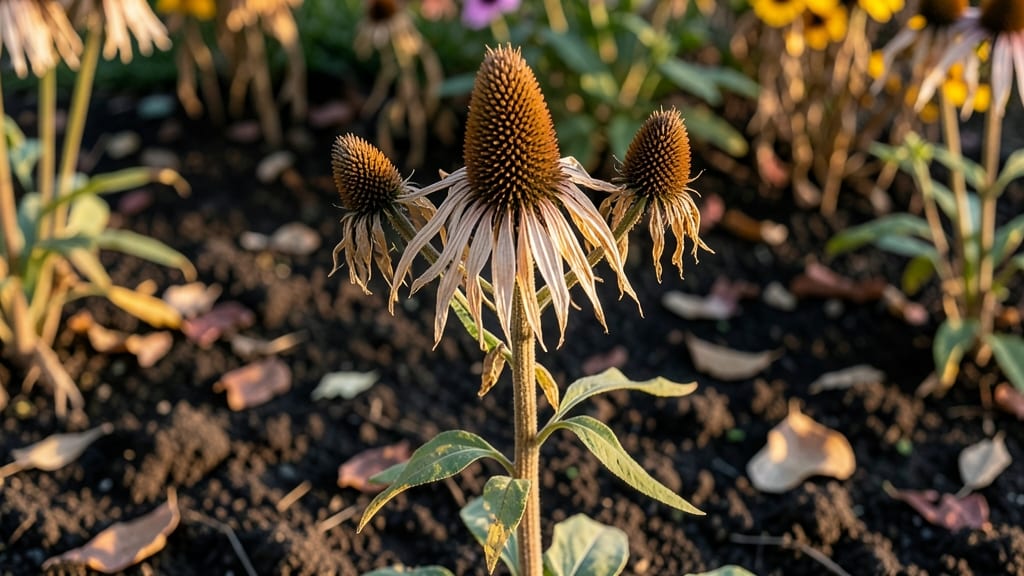
Harvesting echinacea seed heads without the frustrating twist-and-pull struggle is the secret to next year’s showstopping blooms. 🌻 I’ve spent years perfecting a simple method that preserves seeds while keeping stems intact—no more snapped stalks or wasted effort.
The key timing is right after the petals fade but before the cones turn completely brown, usually in late summer or early fall.
You’ll need just three things: sharp pruning shears, a brown paper bag for drying, and a cool, dry spot. The process takes less than 10 minutes, and once you’ve done it once, you’ll wonder why you ever struggled.
What you’re really after are those plump, papery seed cones that will sprout into new plants with minimal effort next spring.
These preserved seed heads double as winter arrangements—just tie a few together and hang them upside down. Birds will love the seeds too, turning your garden into a natural feeder when other food sources run low. The dried cones also make stunning centerpieces that last through the holidays.
Works for all echinacea varieties, from classic purple to white or green. Here’s how to do it without the usual mess or broken stems—guaranteed to save you time and frustration next harvest season.
📚 In This Guide
- What you need
- Instructions
- Tips and common mistakes
- Wrapping up and next steps
What you need
- ● Mature echinacea seed heads: Choose fully browned, dry heads from healthy plants (at least 3–4 per plant for best results).
- ● Sharp pruning shears or clean scissors: 1 pair—sterilize with rubbing alcohol to prevent disease spread.
- ● Brown paper bags or breathable mesh sacks: 2–4 bags (1 per 5–6 seed heads) to allow airflow.
- ● Permanent marker: 1 for labeling varieties (e.g., “Purple Coneflower 2024”).
- ○ Damp paper towels or seed-starting mix: Small container for quick germination tests (optional).
- ● Glove: 1 pair—gardening gloves protect from prickly stems.
- ● Small fan or dehumidifier: Speeds up drying if humidity is high.
- ● Seed envelope or airtight container: For long-term storage (beyond 1 year).
- ● Notebook: To log harvest dates and plant traits for future reference.
How to harvest echinacea seed heads without damaging next year’s blooms
Perfect your timing and technique to collect seeds while keeping your plants healthy and flowering strong.
🌿 Step 1: Identify the Right Seed Heads to Harvest
Wait until the cone-shaped seed heads turn a deep, papery brown and the petals have fallen completely—this usually happens in late fall or early winter after the first frost. I always check by gently squeezing a seed head; if it crumbles easily, it's ready. Harvesting too early means immature seeds won’t store well, but leaving them too late risks them scattering before you collect them.
Focus on healthy, mature seed heads—skip any that look shriveled, moldy, or infested with pests. These won’t produce viable seeds and could spread disease to your remaining plants. A good seed head should feel dry and hollow when tapped lightly.
✂️ Step 2: Cut Seed Heads Properly to Preserve the Plant
Use clean, sharp pruners or scissors to snip the seed head 1-2 inches below the base, leaving the stem intact. This prevents damaging the plant’s energy reserves, which are crucial for next year’s blooms. Avoid twisting or pulling—the stems are woody and can tear, leaving ugly stubs that invite rot.
Make your cut at a 45-degree angle to increase surface area for water absorption if any rain follows. I like to gather the seed heads in a brown paper bag (the kind from the grocery store) to catch any stray seeds that might drop during transport. Label the bag with the variety name and harvest date—echinacea varieties like ‘Magnus’ and ‘Green Envy’ produce seeds that store differently.
🪴 Step 3: Dry and Store Seed Heads for Viable Seeds
Spread the seed heads in a single layer on a clean, dry surface (like a wire rack or cardboard) in a well-ventilated, dry area for 2-3 weeks. Keep them out of direct sunlight—too much heat will dry them too quickly and reduce germination rates. You’ll know they’re fully dry when the seed heads rattle loudly when shaken, indicating the seeds have loosened inside.
Once dry, place the seed heads in a paper envelope (not plastic—condensation kills seeds) and store them in a cool, dark place like a pantry or seed drawer. Echinacea seeds stay viable for 2-3 years if stored properly, but germination rates drop after the first year. Label each envelope with the harvest year to track freshness.
💧 Step 4: Clean and Prepare Seeds for Planting
To extract the seeds, hold a dried seed head over a clean sheet of paper and gently crush it with your fingers or a rolling pin. The seeds will spill out while the chaff (the dry, papery bits) stays behind. Sift the mixture through a fine-mesh strainer to separate seeds from debris. Discard any seeds that look discolored, shriveled, or hollow—these won’t sprout.
For best results, stratify the seeds before planting. Place them in a ziplock bag with a damp paper towel, seal it, and refrigerate for 4-6 weeks. This mimics winter conditions and breaks dormancy, giving you stronger seedlings come spring. Once stratified, sow seeds ¼ inch deep in well-draining soil and keep them moist until germination, which typically takes 2-4 weeks.
Tips & tricks for perfect echinacea seed harvesting
Here's what nobody tells you about harvesting echinacea seeds without ruining next year's blooms.
Timing is Everything: The late fall or early winter window after the first frost is critical. I learned this the hard way after harvesting too early and ending up with seeds that wouldn't store properly. Look for those deep papery brown cones that crumble easily when squeezed—this is your cue. If you're unsure, wait another week rather than harvesting too soon.
The Cutting Technique That Saves Your Plants: That 1-2 inch cut below the base might seem arbitrary, but it's what preserves your plant's energy for next year's blooms. I used to cut too close and noticed my plants took forever to recover. The 45-degree angle isn't just for looks—it increases surface area for better water absorption if rain comes. And for heaven's sake, don't twist! Those woody stems will tear, leaving ugly stubs that invite rot.
Drying Secrets for Maximum Viability: Those 2-3 weeks of drying might feel like forever, but patience pays off. I used to rush this step and end up with seeds that wouldn't germinate. Place them in a well-ventilated area—your garage or basement works great—out of direct sunlight. The "rattle test" is foolproof: when they sound like tiny maracas, they're ready. And remember, paper envelopes only—plastic bags will kill your seeds through condensation.
Pro Tips for Echinacea Seed Heads
- Here's what nobody tells you about harvesting echinacea seeds without ruining next year's blooms.
- Timing is Everything: The late fall or early winter window after the first frost is critical.
- The Cutting Technique That Saves Your Plants: That 1-2 inch cut below the base might seem arbitrary, but it's what preserves your plant's energy for next year's blooms.
Frequently asked questions
When is the best time to harvest echinacea seed heads?
The ideal window is late summer to early fall (August–September), once the seed heads turn light brown and begin to dry on the plant. Harvest them on a dry day to prevent mold—just snip the stems with clean shears and let them dry indoors for 1–2 weeks before storing.
How do I store echinacea seeds to ensure viability?
Store dried seed heads in a paper envelope (not plastic!) in a cool, dark place (like a pantry or fridge) for up to 2 years. For fresh seeds, spread them on a tray to dry completely before storing. Label them with the harvest date to track freshness!
What if my echinacea seed heads twist or fall apart before I harvest them?
Don’t worry—this is normal! Twisting happens as seeds mature. If heads split open, collect seeds immediately by gently shaking them into a bag or tray. If birds or squirrels get to them first, try harvesting earlier next year or netting the plants.
Can I use echinacea seed heads for anything other than propagation?
Beyond saving seeds, dried heads make gorgeous dried arrangements, natural potpourri, or even tea (though avoid the roots if using medicinally). Just ensure they’re fully dry and pesticide-free before crafting!
What if my echinacea plants don’t produce seed heads?
Check for these common issues:
- Deadheading too early—leave some spent blooms to develop seeds.
- Poor pollinators—plant near bee-friendly flowers to encourage seed set.
- Over-fertilizing—echinacea prefers lean soil; reduce nitrogen-heavy feeds.
Wrapping up and next steps
Harvesting echinacea seed heads is a simple yet rewarding way to ensure next year’s vibrant blooms—no twists required! By following the right steps, you’ll support pollinators, propagate your garden, and enjoy stunning purple cones for seasons to come. 🌱
Ready to put your new skills to work? Grab those dried seed heads, store them properly, and share the love by gifting cuttings to fellow green thumbs. Your garden—and future blooms—will thank you!