
Lawn
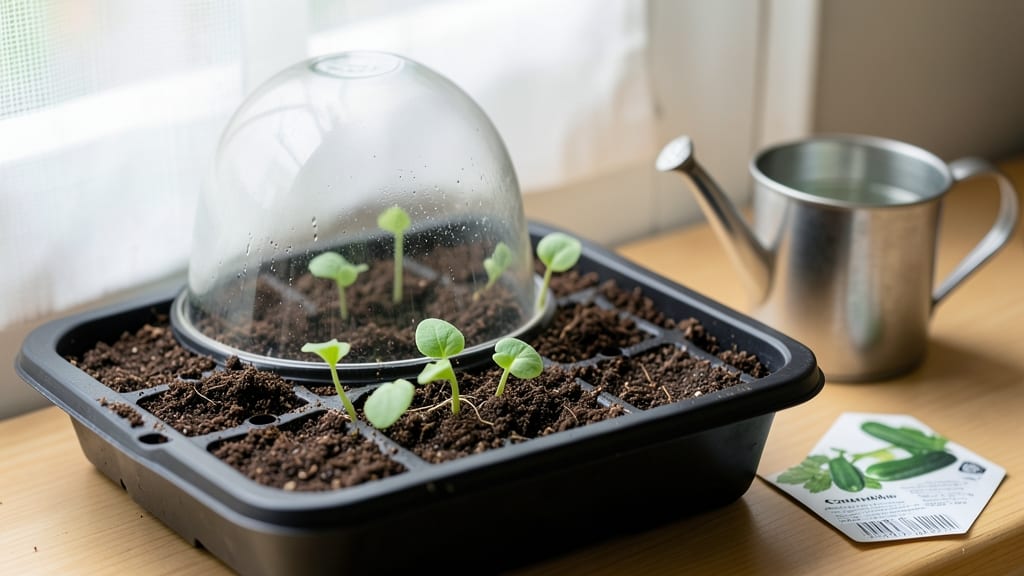
Cucumber seed sprouts don't need a greenhouse—just the right conditions to wake up those tiny seeds. 🌱 I’ve watched my first sprouts push through the soil in just 3-5 days when I follow these simple steps, and you can too.
The secret isn’t complicated: it’s about moisture, warmth, and a little patience while nature does the heavy lifting.
Start with a seed-starting mix that’s light and airy (no heavy garden soil here). Plant seeds ½ inch deep, just enough to cover them without burying them too much. Keep the soil consistently moist—like a wrung-out sponge—not soggy, and maintain a cozy 70-85°F temperature.
A heat mat helps if your home runs cooler, but even a sunny windowsill works in warmer months.
Once those first green hooks break the surface, move them to bright, indirect light immediately. Too much direct sun now can scorch tender seedlings, while too little light makes them stretch weak and leggy. Within 2 weeks, you’ll have sturdy, dark-green seedlings ready to transplant—no fuss, no stress.
Common mistakes? Overwatering (which drowns seeds) or peeking too often (which dries them out). Let the soil stay damp but not wet, and resist the urge to check every hour. The payoff? Bushy, productive cucumber plants that’ll outperform anything you buy at the nursery.
📚 In This Guide
- What you need
- Instructions
- Tips and common mistakes
- Wrapping up and next steps
What you need
- ● Cucumber seeds: 1–2 oz (about 50–100 seeds), organic or non-GMO for best results.
- ● Seed-starting trays or small pots: 2–4 (2–3 inches deep) with drainage holes.
- ● Seed-starting mix: 1–2 cups of lightweight, sterile potting soil (avoid garden soil—it’s too dense!).
- ● Spray bottle: 1 (for gentle watering).
- ● Plastic wrap or humidity dome: 1 sheet (to retain moisture).
- ● Grow lights or sunny windowsill: Access to 6–8 hours of indirect light daily.
- ○ Watering can (optional): Small, with a fine rose attachment for precision.
- ● Heat mat: 1 (to speed up germination if temps drop below 60°F).
- ● Fertilizer: A mild, water-soluble starter fertilizer (follow package rates).
- ● Tweezers: 1 pair (for delicate seed placement).
- ● Labels & markers: To track planting dates.
How to grow cucumber seed sprouts indoors without the hassle
Here's my foolproof method for coaxing cucumber sprouts from seeds—no fancy equipment needed.
🌱 Step 1: Prep Seeds and Soil for Maximum Germination
First, soak cucumber seeds in warm water for 8-12 hours to soften the outer shell. This isn't optional—I've tried skipping it, and germination takes twice as long. While they soak, fill 4-inch pots with moistened seed-starting mix (not garden soil) until it's damp but not soggy. Press it down gently so the surface is firm enough to hold seeds but still crumbly.
Use your finger to poke a hole about 1 inch deep—just deep enough so the seed sits snug but not buried too far. Drop in 1-2 seeds per pot (I plant two in case one fails) and cover lightly with extra soil. The key here is gentle pressure: you want the seed to stay in place when you water, but not compacted under heavy soil.
💧 Step 2: Create a Humid, Warm Germination Environment
Water the pots until the soil looks uniformly damp, then cover them with clear plastic wrap or a humidity dome. Cucumbers sprout best in 75-85°F soil, so place the pots on a seedling heat mat if your home runs cooler. Without one, set them on top of the fridge or near a sunny window where ambient heat lingers.
Check daily for condensation on the plastic—this tells you the humidity is perfect. If it fogs up, leave it; if it stays dry, mist the soil lightly. You'll see tiny sprouts in 5-7 days, but don't rush to remove the cover yet. Wait until 50% of seeds have sprouted before uncovering, or you risk drying out the tender shoots.
☀️ Step 3: Provide Bright, Indirect Light for Strong Stems
Once sprouts emerge, move them to a spot with bright, indirect light—a south-facing window works best. Cucumber seedlings need 12-14 hours of light daily, so supplement with a grow light if natural light is weak. Position the light 4-6 inches above the plants and raise it as they grow to prevent legginess.
Watch for first true leaves (the second set after the initial seed leaves)—this is your cue to thin the seedlings. If you planted two seeds, snip the weaker one at soil level with clean scissors. Keep the soil evenly moist but not waterlogged; let the top inch dry out slightly between waterings. Overwatering now leads to damping-off, a fungal disease that collapses stems overnight.
🪴 Step 4: Transplant When Ready for the Garden
After 3-4 weeks, when seedlings have 4-5 true leaves and sturdy stems, it's time to transplant. Harden them off by placing them outside in a shaded spot for 1 hour the first day, gradually increasing time over 5-7 days. Choose a cloudy day for transplanting to reduce shock—dig holes 12-18 inches apart (cucumbers need space to sprawl).
Plant deeply: bury the stem up to the first set of leaves. This encourages root growth along the buried stem, which cucumbers love. Water deeply at the base, not overhead, and mulch with straw or grass clippings to retain moisture. Within a week, you'll see new leaves forming—your reward for patience.
Tips & tricks for perfect cucumber seed sprouts
Here's what nobody tells you about growing cucumber sprouts that actually thrive—no guesswork involved.
Soaking Secret: When soaking seeds for the required 8-12 hours, use a small container with just enough warm water to cover them completely. I add a pinch of cinnamon to the water—it's a natural antifungal that prevents mold without harming the seeds. After soaking, drain them in a fine mesh strainer and let them air-dry for 10 minutes before planting. This step prevents waterlogged seeds that might rot.
Soil Science: For Step 1, your 4-inch pots should have drainage holes—this is non-negotiable. If your pots don't have them, poke holes with a nail before filling with seed-starting mix. The right mix is crucial: I use a blend of 50% peat moss and 50% perlite for perfect aeration. Press the soil firmly enough that it holds the seeds but doesn't become compacted like wet sand.
Heat Hack: Maintaining that 75-85°F soil temperature in Step 2 is easier than you think. If you don't have a heat mat, place your pots inside a closed cardboard box with a single 40-watt bulb inside (safely tucked away from the soil). This creates a mini greenhouse effect that keeps things warm without overdoing it. Check soil temperature with a small thermometer—it's the only way to be precise.
Lighting Strategy: In Step 3, those 12-14 hours of light can be tricky with natural light alone. Position your grow light on a timer to automate this—most affordable timers let you set exact durations. If using a south-facing window, rotate your pots daily so all sides get equal light exposure. This prevents lopsided growth that makes seedlings lean toward the light source.
Pro Tips for Cucumber Seed Sprouts
- Here's what nobody tells you about growing cucumber sprouts that actually thrive—no guesswork involved.
- Soaking Secret: When soaking seeds for the required 8-12 hours, use a small container with just enough warm water to cover them completely.
- Soil Science: For Step 1, your 4-inch pots should have drainage holes—this is non-negotiable.
Frequently asked questions
Got questions about growing cucumber seed sprouts for your lawn? You’re not alone! Here are some of the most common concerns—and their simple solutions—to help you get started with confidence.
How long does it take for cucumber seeds to sprout?
Most cucumber seeds sprout within 5–10 days under ideal conditions (warm soil, 70–90°F, and consistent moisture). If you’re growing in cooler weather, sprouting may take 2–3 weeks. Patience is key—don’t overwater or disturb the soil while waiting!
What’s the best way to keep cucumber sprouts moist without drowning them?
Use a spray bottle or gentle watering can to mist the soil lightly, keeping it damp (not soggy). A clear plastic dome or even a cut-open plastic bottle can help retain humidity. Water in the morning to reduce evaporation and fungal risks.
Can I grow cucumber sprouts indoors before transplanting outdoors?
Start seeds in biodegradable pots or a seed tray with well-draining soil. Place them near a sunny window or under grow lights (12–16 hours/day). Once sprouts have 2–3 true leaves (not just seed leaves), they’re ready to harden off and transplant.
Why aren’t my cucumber seeds sprouting? Troubleshooting tips.
Check these common issues:
- Too cold: Cucumber seeds need warmth (60°F+) to germinate. Try a seedling heat mat or move pots to a warmer spot.
- Dry soil: Seeds need moisture to activate. Soak the soil before planting and keep it consistently damp.
- Old seeds: Seeds lose viability over time. Test with a paper towel germination test if unsure.
- Poor soil contact: Press seeds lightly into soil (¼ inch deep) for better root contact.
Are there fast-growing alternatives to cucumber sprouts for quick lawn coverage?
If you need speed, try these quick-sprouting options:
- Clover: Sprouts in 5–7 days, drought-tolerant, and great for soil health.
- Ryegrass: Germinates in 7–14 days, ideal for cool seasons.
- Creeping thyme: Sprouts in 10–14 days, adds fragrance and ground cover.
Wrapping up and next steps
Growing cucumber seed sprouts for a lush lawn is simpler than you think—and the rewards are worth every effort! With the right soil, patience, and a few key tips, you’ll soon enjoy vibrant, healthy grass that’s both beautiful and resilient.
Whether you’re a beginner or a seasoned gardener, this stress-free method makes lawn care a breeze.
Ready to take the next step? Start small—plant a few sprouts in a test patch, monitor their progress, and expand as you gain confidence. Soon, you’ll be the envy of the neighborhood with a thriving, green lawn straight from your very own seeds! 🌱