
Vegetables
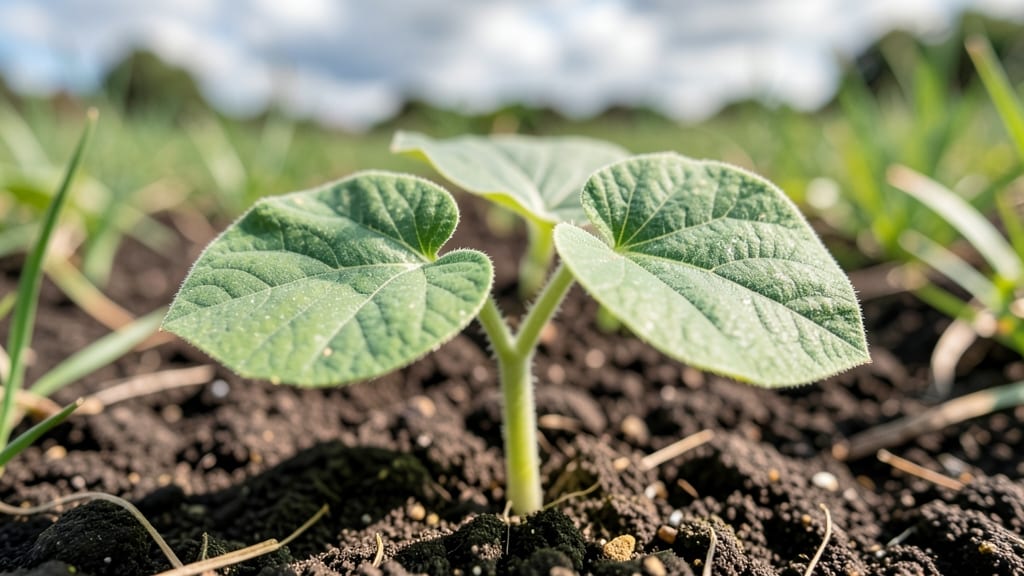
Those first delicate cucumber seed leaves are your garden’s secret to zero-waste harvests. 🌱 They start as tiny, rounded cotyledons—smooth, bright green, and slightly fuzzy—before true leaves unfurl like miniature versions of the mature plant. The moment they appear, you’re one step closer to saving seeds from your best-performing cucumbers.
These early leaves need gentle care: keep soil moist but not soggy, provide bright light (a sunny windowsill or grow light works), and avoid disturbing them until they’ve developed a sturdy stem. Watch for yellowing or stunted growth—usually a sign of overwatering or poor drainage.
With the right conditions, those first leaves will harden into strong seedlings ready for transplanting in just 2-3 weeks.
📚 In This Guide
- What you need
- Instructions
- Tips and common mistakes
- Wrapping up and next steps
What you need
- ● Ready to dive into zero-waste seed saving with cucumber seed leaves? Here’s everything you’ll need to get started—whether you’re a seasoned gardener or a curious beginner! 🌱✨
- ● Pro tip: 💡 If you’re new to seed saving, start with one cucumber variety to practice before expanding! Also, ensure your cucumber plant is pollenated (by bees or manually) for viable seeds.
Step-by-Step guide to harvesting cucumber seed leaves for zero-waste seed saving
Here's how to preserve cucumber seed viability while reducing food waste—no fancy tools needed.
🌱 Step 1: Select Healthy Cucumber Plants for Harvest
Choose cucumbers from plants showing strong vines and dark green leaves—these indicate healthy, disease-free specimens. Avoid fruits from stressed plants (yellowing leaves, powdery mildew, or wilting). I like to harvest cucumbers when they're 6-8 inches long and still firm; this ensures seeds have fully developed but haven't fermented in the fruit.
Pick cucumbers in the morning when they're cool and crisp—this preserves quality. Cut the fruit from the vine using clean pruning shears or a knife, leaving a small stem attached. This stem attachment helps identify the variety later. If you're saving seeds from heirloom varieties, label each cucumber immediately with a permanent marker to track traits like color or size.
🌿 Step 2: Prepare Cucumbers for Seed Extraction
Slice the cucumbers lengthwise and scoop out the seeds along with the gelatinous pulp into a quart-sized container. Add enough water to cover the seeds completely—about 1 inch above the seed mixture. Stir gently to break up the pulp. This step mimics natural fermentation and helps separate viable seeds from the fruit.
Cover the container loosely with a clean cloth or paper towel and let it sit in a warm, dark place (around 70-75°F) for 3-5 days. You'll notice the mixture bubbling slightly—this is normal fermentation. Stir the seeds once daily to prevent mold growth. If you see any foul odors or excessive mold, discard the batch immediately and start fresh.
💧 Step 3: Rinse and Dry the Seeds
After fermentation, pour the seed mixture through a fine-mesh strainer under running water to remove the pulp and debris. Rinse the seeds gently until the water runs clear. Spread them on a clean, dry paper towel or seed-saving screen, ensuring they don't overlap. Place the towel in a well-ventilated area away from direct sunlight.
Let the seeds air-dry for 5-7 days, flipping them once daily to ensure even drying. Properly dried seeds will be hard and dark—they should rattle when shaken in their container. If humidity is high, drying may take longer. Store the dried seeds in a paper envelope or glass jar labeled with the variety name, harvest date, and any notable traits. Keep them in a cool, dark place for up to 5 years.
✂️ Step 4: Harvest and Use Seed Leaves for Zero-Waste Cooking
While waiting for seeds to dry, don't discard the cucumber seed leaves—these young, tender leaves are packed with nutrients and perfect for salads or sautéing. Harvest leaves by pinching them off at the stem with your fingers or using clean scissors. Choose the youngest, most vibrant leaves for the best flavor and texture.
Wash the leaves thoroughly under cool water to remove any residual dirt or pesticide. Store them in a sealed container with a damp paper towel in the fridge for up to 5 days, or blanch and freeze them for longer storage. For cooking, lightly sauté in olive oil with garlic for a peppery, cucumber-like flavor. This zero-waste technique ensures nothing goes to waste while you save seeds for next season.
Tips & tricks for perfect cucumber seed leaf harvesting
Here's what nobody tells you about maximizing both seeds and edible leaves without the guesswork.
Selection Matters: In Step 1, focus on cucumbers with deep green, glossy leaves—these indicate peak freshness and flavor. The 6-8 inch size is ideal because smaller cucumbers may have underdeveloped seeds, while larger ones risk over-fermentation. I've learned the hard way that stressed plants (with yellowing or spotted leaves) produce seeds with lower viability.
Fermentation Control: The 3-5 day fermentation at 70-75°F in Step 2 is critical—this temperature range mimics natural conditions and ensures proper seed separation. If your kitchen runs cooler, place the container near a warm spot like above the fridge. Watch for gentle bubbling (normal) versus strong foul odors (discard immediately). Stirring daily prevents mold buildup, which can ruin your entire batch.
Drying Strategy: For Step 3, prioritize air circulation over speed—spreading seeds on a seed-saving screen (if available) works better than paper towels because it allows airflow from all sides. In humid climates, extend drying to 7-10 days and consider using a small fan on low setting. The hard, dark appearance is your quality indicator; seeds should feel dense and make a rattling sound when shaken.
Leaf Preservation: When harvesting leaves in Step 4, work with the youngest leaves near the vine—these have the most delicate flavor. For longer storage, blanch leaves in boiling water for 30 seconds, then shock in ice water before freezing. This preserves texture for up to 6 months. The peppery flavor pairs beautifully with garlic, lemon zest, or toasted nuts in salads or pestos.
Pro Tips for Cucumber Seed Leaves
- Here's what nobody tells you about maximizing both seeds and edible leaves without the guesswork.
- Selection Matters: In Step 1, focus on cucumbers with deep green, glossy leaves—these indicate peak freshness and flavor.
- Fermentation Control: The 3-5 day fermentation at 70-75°F in Step 2 is critical—this temperature range mimics natural conditions and ensures proper seed separation.
Frequently asked questions
Got questions about harvesting and using cucumber seed leaves? You’re not alone! Here are answers to the most common queries to help you navigate seed saving like a pro—without the stress.
Can I eat cucumber seed leaves, or are they only for compost?
Yes, you can eat them! These young, tender leaves are packed with nutrients like vitamin K, folate, and fiber. They have a mild, slightly bitter taste—similar to cucumber but grassier. Harvest them early (before flowering) for the best flavor. Just wash thoroughly and use sparingly in salads, soups, or as a garnish.
When is the best time to harvest cucumber seed leaves for seed saving?
Harvest leaves after the cucumbers have bloomed but before they set fruit—typically 4–6 weeks after planting. Look for mature leaves (4–6 inches long) but avoid yellowing or diseased ones. Pick in the morning when moisture levels are highest for easier storage and drying.
What can I do with cucumber seed leaves if I don’t want to eat them?
Don’t toss them! Here are zero-waste options:
- Compost: Chop leaves and add them to your compost pile—they break down quickly and enrich soil.
- Mulch: Shred and use as mulch to retain moisture and suppress weeds.
- Tea fertilizer: Steep in water for 24 hours, strain, and dilute (1:10) to feed your plants.
Why are my cucumber seed leaves turning yellow or wilting?
Yellowing or wilting leaves often signal stress. Check for:
- Overwatering: Cucumbers hate soggy roots—ensure well-draining soil.
- Pests: Inspect for aphids, spider mites, or cucumber beetles (use neem oil if needed).
- Nutrient deficiency: Yellowing between veins? Add compost or a balanced fertilizer.
Can I save seeds from cucumbers grown from seed leaves?
Yes, but with a caveat! If you’re saving seeds from cucumbers grown from store-bought seed leaves, they may not produce true-to-type fruit (due to hybrid varieties). For reliable seeds, grow cucumbers from heirloom or open-pollinated seeds and follow proper isolation guidelines (at least 10 feet from other cucurbits).
Wrapping up and next steps
Growing cucumber seed leaves isn’t just a clever way to save seeds—it’s a rewarding step toward sustainable gardening! 🌱 By following these simple steps, you’ll reduce waste, save money, and even boost your garden’s resilience.
Whether you’re a seasoned gardener or just starting out, this method makes seed saving effortless and eco-friendly.
Ready to put your new skills to the test? Start with just one cucumber plant this season—harvest those seed leaves, dry them properly, and watch your garden thrive with homegrown seeds next year. Happy growing! 🌿