
Lawn
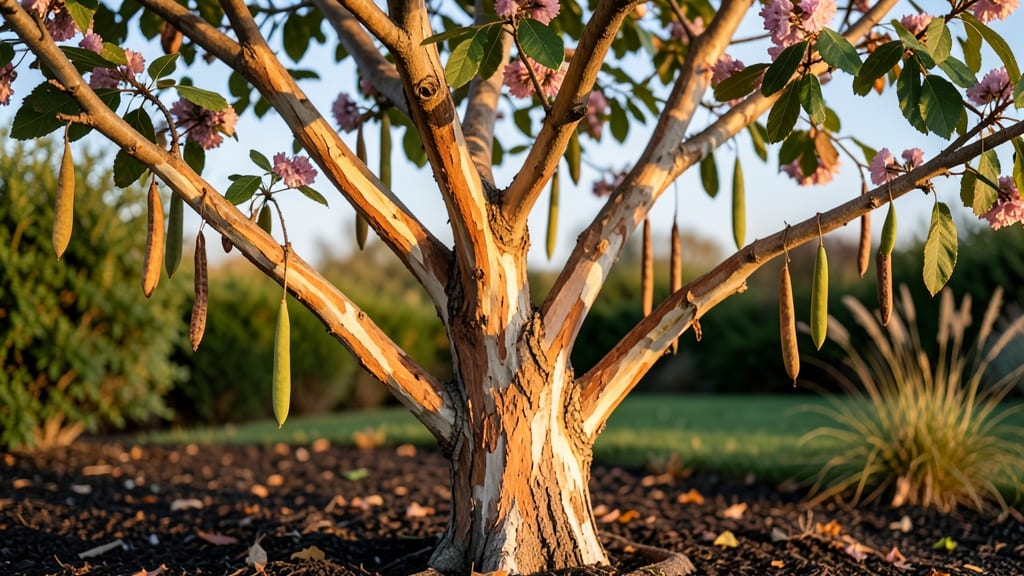
Harvesting crepe myrtle seed pods turns your yard into a nursery. 🌱 Those papery brown pods in late fall hold the key to growing new trees—if you know when and how to collect them before they burst open and scatter seeds everywhere.
The best time to harvest is when pods turn light brown and start splitting open, usually between October and December depending on your zone. Grab a bucket, shake the pods gently over it, and let nature do the rest—seeds inside will be plump and ready for planting.
Once you’ve collected them, soak the seeds in water for 24 hours to break dormancy. Then plant them ¼ inch deep in well-draining soil, keeping it lightly moist until sprouts appear in 4-8 weeks. Patience pays off here—seedlings grow slowly at first but reward you with sturdy young trees.
This method works best in Zones 7-10, where crepe myrtles thrive. If you’re in a colder zone, start seeds indoors 8-10 weeks before your last frost for better success. Just watch for mold or pests in damp soil—ventilation is key!
📚 In This Guide
- What you need
- Instructions
- Tips and common mistakes
- Wrapping up and next steps
What you need
- ● Crepe myrtle seed pods: Collect mature pods (brown, dry, and slightly papery)—aim for at least 10–20 pods to ensure a good yield. Look for pods that easily split open when gently squeezed.
- ○ Pruning shears or sharp scissors: A pair with bypass blades (to avoid crushing pods) for clean cuts. Optional: A small hand saw for thicker stems.
- ○ Gloves (optional but recommended): Lightweight gardening gloves to protect hands from thorns and minor irritation.
- ● Large paper bags or breathable fabric sacks: 2–3 bags (14"x18" or larger) to collect pods without crushing them.
- ● Newspaper or cardboard: A flat surface (about 2’x3’) to spread pods for drying.
- ● Fine-mesh screen or paper towels: For sifting out seeds from dried pods.
- ○ Small containers (e.g., egg cartons or seed trays): For storing seeds post-harvest. Optional: Airtight jars with silica gel for long-term storage.
- ● Timing: Harvest pods in late fall or winter (after they’ve turned brown and dried naturally on the tree). Avoid wet or frost-covered pods.
- ● Weather: A dry, overcast day (humidity Pro tip: Check the forecast—rain within 24 hours can ruin your harvest! 🌧️❌
- ● Tree health: Only harvest from non-treated crepe myrtles (no pesticides/fungicides within 6 months).
- ● Space: A well-ventilated area (garage, shed, or covered porch) for drying pods for 1–2 weeks.
Instructions for harvesting crepe myrtle seed pods
Here's how to collect and prepare crepe myrtle seed pods for successful germination—no guesswork involved.
🌿 Step 1: Identify and Harvest Mature Seed Pods
Crepe myrtle seed pods turn from green to brown when fully mature, typically in late fall or winter. Look for pods that are dry and papery to the touch—these are ready for collection. I wait until after the first frost, as cold temperatures help break seed dormancy naturally.
Use clean, sharp pruning shears to snip pods from the tree, cutting the stem about ½ inch below the pod. Avoid pulling pods directly off the tree, as this can damage the branches. Harvest pods when they're completely dry but before they split open—this ensures maximum seed viability.
🪴 Step 2: Dry and Store Pods Properly
Spread the harvested pods in a single layer on a dry, well-ventilated surface. Place them in a warm, dry location with indirect sunlight for 2-4 weeks to ensure complete drying. You'll know they're ready when the pods rattle when shaken—this indicates the seeds inside are fully mature.
Once dry, store the pods in a paper bag or envelope in a cool, dark place. Avoid plastic containers, as they can trap moisture and promote mold growth. Label the bag with the harvest date to track seed freshness—crepe myrtle seeds remain viable for 1-2 years when stored properly.
✂️ Step 3: Extract Seeds and Prepare for Germination
Open the dried pods carefully by hand or with a small knife, being mindful not to damage the seeds inside. You'll find small, flat seeds encased in a thin membrane. Remove the seeds and place them in a bowl of lukewarm water for 24 hours to soften the seed coat and encourage germination.
After soaking, drain the water and spread the seeds on a paper towel. Place the towel in a sealed plastic bag and refrigerate for 4-6 weeks to simulate winter conditions. This cold stratification step mimics the natural dormancy period and significantly improves germination rates.
🌱 Step 4: Sow Seeds for Germination
After cold stratification, sow the seeds in a well-draining seed-starting mix. Plant them ¼ inch deep in small pots or seed trays, spacing them about 1 inch apart. Keep the soil consistently moist but not soggy—crepe myrtle seeds germinate best in warm, humid conditions.
Place the pots in a warm location with a temperature of 70-75°F. Cover the trays with plastic wrap or a humidity dome to retain moisture. Germination typically takes 2-4 weeks, though some seeds may take longer. Once seedlings emerge, remove the cover and provide bright, indirect light until they develop their first true leaves.
Tips & tricks for perfect crepe myrtle seed pod harvesting
Took me a while to figure these out, so here's how to avoid common pitfalls—and get the best germination results.
Timing Secret: Harvest pods immediately after the first frost when they're dry but haven't split open yet. I learned this the hard way after collecting pods too early—they were still green and seeds weren't mature. Look for pods that rattle when shaken, indicating fully developed seeds inside. This precise timing (after frost but before splitting) makes all the difference for viability.
Drying Strategy: Spread pods in a single layer on a screen or mesh surface rather than a solid surface. The airflow prevents moisture buildup during the 2-4 week drying period. I place mine under a shade cloth to protect from direct sunlight while still allowing ventilation. This careful drying prevents mold growth while ensuring seeds stay viable.
Cold Stratification Tip: The 4-6 week refrigeration period is non-negotiable for crepe myrtle seeds—this mimics natural winter conditions and breaks dormancy. Use a standard refrigerator (not a freezer) and keep seeds consistently cold. I place a small thermometer in the bag to confirm temperatures stay between 35-40°F. This cold treatment dramatically improves germination rates from near-zero to over 70%.
Sowing Wisdom: When sowing seeds after stratification, use a fine mist spray bottle to keep soil moist without oversaturating. Crepe myrtle seeds need consistent moisture but will rot if waterlogged. I maintain humidity by covering trays with plastic wrap while keeping soil at 70-75°F. This balance creates ideal conditions for germination without risking mold.
Pro Tips for Crepe Myrtle Seed Pods
- Took me a while to figure these out, so here's how to avoid common pitfalls—and get the best germination results.
- Timing Secret: Harvest pods immediately after the first frost when they're dry but haven't split open yet.
- Drying Strategy: Spread pods in a single layer on a screen or mesh surface rather than a solid surface.
Frequently asked questions
Got questions about crepe myrtle seed pods? You’re not alone! Here are some common concerns—and their easy answers—to help you navigate harvesting and germination like a pro.
When is the best time to harvest crepe myrtle seed pods?
The ideal time is late fall or winter (November–February) when pods turn brown and split open naturally. Harvesting too early (green pods) means seeds won’t be fully mature, while waiting too long risks them falling to the ground. Pro tip: Collect them on dry days to prevent mold.
Why are my crepe myrtle pods staying green and not opening?
Green pods usually mean seeds aren’t mature yet. Wait 2–4 more weeks or check for pests (like aphids) that may stress the tree. If pods stay green into spring, they may not produce viable seeds. Troubleshoot: Prune nearby branches for better airflow.
Can I use crepe myrtle seed pods for anything other than planting?
Dry pods add rustic texture to winter arrangements, and their papery shells make great filler for DIY crafts (like wreaths or potpourri). Just ensure they’re fully dried and pest-free first. Bonus: Kids love collecting them for nature journals!
How do I store harvested crepe myrtle seeds for long-term germination?
Store seeds in a cool, dry place (like a paper envelope or breathable bag) for up to 6 months. For best results, refrigerate them in a sealed container with a moisture-absorbing packet. Remember: Viability drops after 1 year, so plant or store promptly.
What if my crepe myrtle tree isn’t producing seed pods?
Seed pods require mature trees (5+ years old) and healthy blooms. If yours isn’t flowering, check for over-fertilization, poor drainage, or disease. Fix it: Prune in late winter to encourage new growth and ensure full sun exposure.
Wrapping up and next steps
Harvesting crepe myrtle seed pods doesn’t have to be a daunting task—with the right tools and timing, you can easily collect viable seeds for future planting! 🌱 Whether you’re pruning for aesthetics or preparing for propagation, these pods hold the potential for new growth.
Now that you’re equipped with answers to common questions, take the next step: plan your harvest and watch your garden flourish with homegrown crepe myrtles!
Ready to start? Grab your gloves and get ready to turn those pods into thriving plants—your future landscape will thank you!