
Propagation
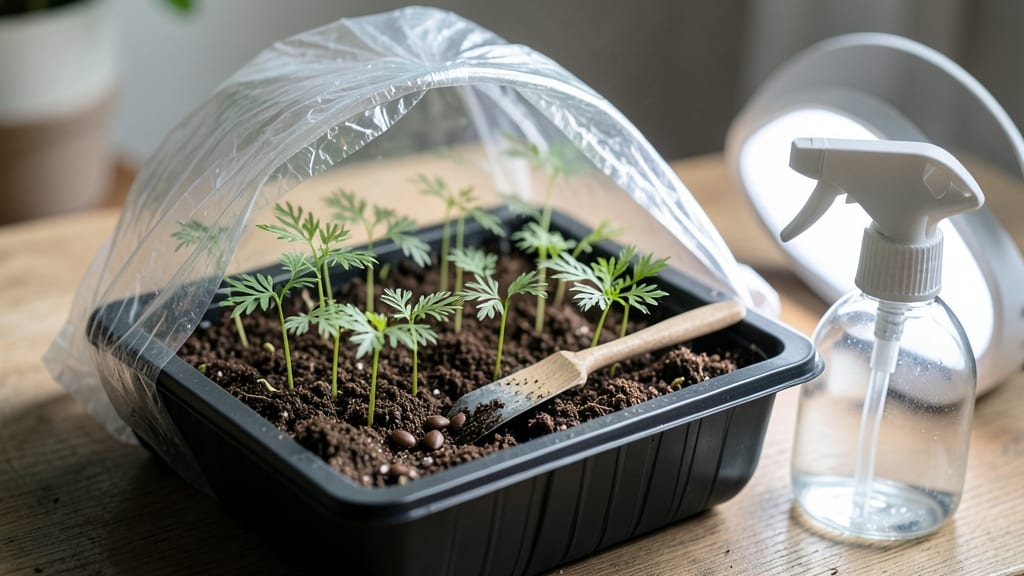
Starting cosmos seeds in early spring gives you 60 days of showstopping blooms that butterflies can't resist. 🌻 I learned the hard way that these delicate-looking flowers need a little strategy to thrive—especially in cooler climates where direct sowing fails.
The secret lies in timing, soil warmth, and a patient approach that rewards you with towering stems of pink, white, or magenta by summer. You’ll need a simple setup: biodegradable pots, a seed-starting mix that drains well, and a sunny windowsill or grow light.
Plant the tiny seeds just ¼-inch deep—they’re so fine they barely need covering—and keep the soil consistently moist but never soggy. Germination happens in 7-14 days if the soil stays above 60°F, and that’s where most beginners stumble.
Once those first leaves unfurl, you’ll watch them grow 2-3 inches per week with proper care. Harden off seedlings for 7-10 days before transplanting after your last frost, spacing them 12-18 inches apart. The payoff? Stems that reach 4-5 feet tall with blooms that last until frost—no deadheading required.
This method works for both indoor starts and outdoor sowing in warm zones. The key is patience: cosmos seeds are slow to germinate but reward you with effortless beauty once they’re established.
📚 In This Guide
- What you need
- Instructions
- Tips and common mistakes
- Wrapping up and next steps
What you need
- ● Cosmos seeds: 10–20 seeds (choose a variety like Cosmos bipinnatus or Cosmos sulphureus for vibrant blooms).
- ● Seed-starting mix: 1–2 quarts of sterile, well-draining potting soil (avoid garden soil—it’s too dense!).
- ● Containers: 2–4 small pots (3–4 inches deep) or a seed tray with individual cells (ensure drainage holes are present!).
- ● Watering can or spray bottle: A gentle touch keeps seeds from washing away.
- ● Plastic wrap or humidity dome: To retain moisture and warmth during germination.
- ● Grow lights or sunny windowsill: 6–8 hours of light daily (south-facing windows or LED grow lights work best).
- ● Plant labels: Mark varieties to avoid mix-ups (a must for future garden planning!).
- ● Fertilizer (balanced, water-soluble): Dilute to half-strength once seedlings sprout true leaves.
- ○ Heat mat (optional): Speeds up germination if your space is chilly (70–75°F is ideal).
- ● Fungicide (like neem oil): Prevents damping-off if humidity runs high.
- ● Transplanting tweezers: Gently handles delicate seedlings when repotting.
Step-by-step instructions for starting cosmos seeds
Here’s the cold-smart method I’ve used to grow cosmos from seed—no greenhouse needed, just a little patience and the right timing.
🌱 Step 1: Prepare Seeds and Containers for Cold Stratification
Cosmos seeds thrive when given a cold treatment to mimic their natural winter dormancy. Start by placing the seeds in a damp paper towel, folding it so they’re snug but not crushed. Place the towel in a sealed plastic bag and refrigerate for 7-10 days. This mimics winter’s chill and jumpstarts germination.
While the seeds stratify, fill 4-inch pots with a sterile seed-starting mix—never garden soil, as it’s too dense and may harbor fungi. Moisten the mix until it’s damp like a wrung-out sponge, then press it lightly into the pots to create a firm surface. Cosmos seeds are tiny, so I use a toothpick to poke one hole per pot, about ¼ inch deep. This precision prevents overcrowding later.
💧 Step 2: Sow Stratified Seeds and Maintain Moisture
After 7-10 days in the fridge, remove the seeds from the paper towel and sow one per pot at the ¼-inch depth you prepared. Cover lightly with additional seed mix—just enough to conceal the seed. Mist the soil surface with a spray bottle until it’s evenly damp but not soggy. Overwatering here leads to rot before germination even begins.
Place the pots in a clear plastic bag or under a humidity dome to trap warmth and moisture. Cosmos seeds germinate best at 65-75°F, so a seedling heat mat speeds things up. Keep the bag sealed until you see first true leaves—usually 7-14 days after sowing. Watch for condensation on the bag’s interior; wipe it dry daily to prevent mold.
☀️ Step 3: Provide Light and Gradually Acclimate Seedlings
The moment those first true leaves appear, remove the humidity dome immediately. Cosmos seedlings need bright, indirect light for the first week to avoid leggy growth. Place them under a grow light or in a south-facing window, keeping them 2-3 inches away from the light source. You’ll know they’re getting enough light when the leaves are dark green and compact, not pale and stretched.
After 2-3 weeks, when seedlings have 2-3 sets of true leaves, start hardening them off. Move pots outside to a shaded, sheltered spot for 1-2 hours the first day, then gradually increase exposure over 7-10 days. This slow transition prevents shock—cosmos hate sudden temperature swings. By the time they’re ready for transplanting, they’ll be tough enough to handle your garden’s conditions.
🪴 Step 4: Transplant and Encourage Bushy Growth
Transplant cosmos seedlings outdoors after the last frost, when nighttime temperatures stay above 50°F. Choose a spot with full sun—cosmos thrive in 6+ hours of direct light daily. Dig holes twice as wide as the root ball but no deeper, then gently remove the seedling, keeping the soil intact around the roots. Place it in the hole, firm the soil, and water deeply to settle everything.
To encourage bushy, not leggy, growth, pinch off the top set of leaves when seedlings are 4-6 inches tall. This redirects energy to side shoots, giving you a fuller plant. Space cosmos 12-18 inches apart—they self-seed prolifically, so thinning now prevents overcrowding later. Mulch around the base with 2-3 inches of organic mulch to retain moisture and suppress weeds.
Tips & tricks for perfect cosmos seed starting
These cold-smart strategies will help you grow vigorous cosmos seedlings that thrive from the start.
Cold Stratification Precision: The 7-10 days in the fridge is non-negotiable—this mimics winter conditions and breaks seed dormancy. I place my sealed bag of seeds on the middle shelf of my fridge where temperatures stay consistently around 35-40°F. The key is keeping the paper towel damp but not dripping; if it feels soggy, blot excess moisture with a clean paper towel. This prevents mold while maintaining the right humidity for stratification.
Seedling Heat Mat Hack: While the instructions mention 65-75°F as ideal for germination, I've found that using a seedling heat mat set to 75°F consistently produces faster results—sometimes cutting germination time from 14 days to just 7-10 days. Just be sure to monitor the soil temperature with a small thermometer; if it exceeds 80°F, the seeds may overheat and fail to sprout.
Light Source Strategy: For that critical first week of bright, indirect light, I've had the most success with a simple LED grow light placed just 2-3 inches above the seedlings. Position it so it covers the entire tray evenly—uneven light causes lopsided growth. If using a south-facing window, rotate your pots daily so all sides get equal exposure. Watch for leaves that look pale or stretched; this is your signal to move them closer to the light source or increase light duration.
Hardening Off Timeline: The gradual 7-10 day hardening process is where many gardeners rush and end up with stressed plants. I start with just 1-2 hours on the first day, then increase by 1 hour each subsequent day. On cloudy days, I extend the time slightly since the plants aren't getting as much direct sunlight. By day 5, I'm usually up to 5-6 hours of outdoor exposure, which gives them plenty of time to adjust before full transplantation.
Pro Tips for Cosmos Seed Starting
- These cold-smart strategies will help you grow vigorous cosmos seedlings that thrive from the start.
- Cold Stratification Precision: The 7-10 days in the fridge is non-negotiable—this mimics winter conditions and breaks...
- Seedling Heat Mat Hack: While the instructions mention 65-75°F as ideal for germination, I've found that using a seed...
Frequently asked questions
Got questions about jumpstarting your cosmos seeds? You’re not alone—germination can feel like a cosmic puzzle! Here are answers to the most common queries to help you grow those vibrant blooms like a pro.
How long does it take for cosmos seeds to sprout?
With the right cold-stratification method, cosmos seeds typically sprout in 7–14 days. If you’re impatient, check for moisture (soil should feel like a damp sponge) and warmth (70–75°F is ideal). Patience pays off—those first green shoots are worth the wait!
Do I really need to cold-stratify cosmos seeds?
Yes! Cosmos seeds have a dormancy quirk—they need a cold snap (or artificial chilling) to break it. Skip this step, and germination rates plummet. Pro tip: Pop them in the fridge for 2–4 weeks (moist paper towel method) or sow them outdoors in fall for nature to handle the magic.
What’s the best temperature for starting cosmos seeds?
Keep things cozy but not scorching: 65–75°F (18–24°C) is the sweet spot. Too cold (<50°F/10°C) slows growth; too hot (>85°F/30°C) can kill sprouts. A seedling heat mat helps if your home runs chilly, but most windowsills do the trick with a little TLC.
Why aren’t my cosmos seeds germinating?
Troubleshoot with this checklist:
- Moisture: Dry soil = dead seeds. Use a spray bottle to keep soil evenly damp.
- Light: Cosmos seeds need light to germinate—don’t bury them deep (¼ inch max).
- Age: Old seeds (2+ years) may fail. Test a few in warm water—if they float, toss ‘em.
- Stratification: Did you chill them? If not, hit the fridge ASAP!
Can I direct-sow cosmos seeds instead of starting indoors?
Cosmos are hardy survivors—sow them outdoors 2–3 weeks before your last frost (they tolerate light frost). For warmer climates, plant in fall or early spring. Just scratch them into soil (no need for depth) and water gently. Nature’s way is low-maintenance!
Wrapping up and next steps
Starting cosmos seeds is a rewarding journey that blends patience with nature’s beauty! 🌱 By following these cold-strategized steps—whether through direct sowing or indoor pre-sprouting—you’ll unlock vibrant blooms in just 60 days.
Whether you’re a seasoned gardener or a curious beginner, every seed you plant is a step toward a flourishing garden.
Ready to turn your green thumb dreams into reality? Grab your seeds, mark your calendar, and get sowing! For extra inspiration, explore cosmos companion planting or long-term care tips to maximize your harvest. Happy gardening! 🌟