
Propagation
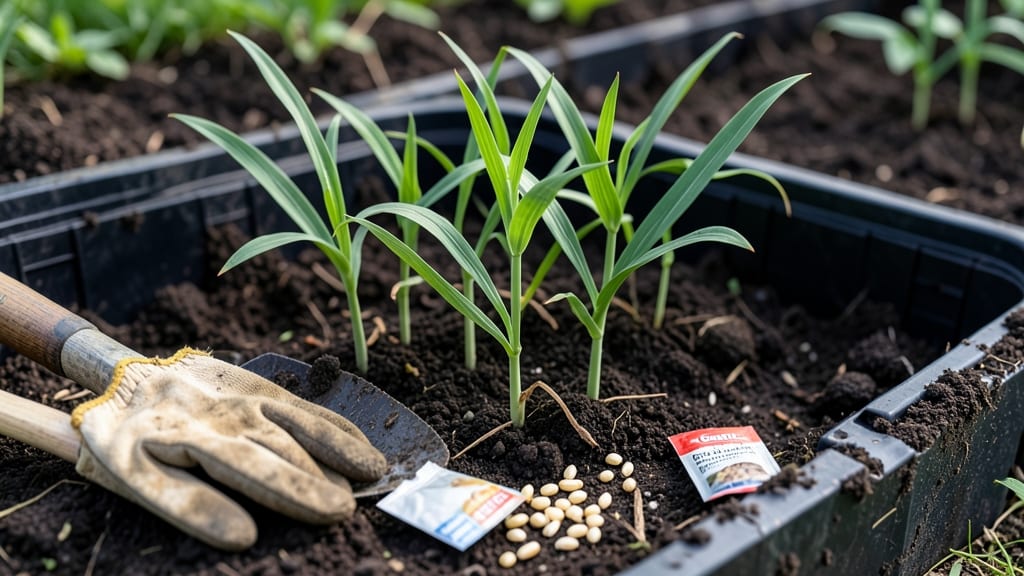
Corn seed germination time can surprise even seasoned gardeners—7 to 14 days under perfect conditions, but I’ve seen them sprout in just 4 days when I cranked up the heat and kept the soil damp. 🌱 The secret isn’t magic; it’s temperature, moisture, and a little prep work that turns impatient gardeners into sprout-watching addicts.
Most seeds need soil between 75°F and 90°F to germinate—warmer than you’d expect. If your spring soil is still chilly, use a heat mat or plant in black plastic to speed things up.
Pre-soaking seeds overnight in warm water also shaves off a day or two, though I’ve had mixed luck with this (some seeds get too soft). The key is consistency: keep the soil moist but not soggy, or you’ll invite mold before the sprouts even show.
By day 7, you’ll start seeing tiny white radicles pushing through, and by day 10, those first green shoots will break the surface—if you’ve nailed the moisture and warmth. That’s when the real work begins, but trust me, watching those first leaves unfurl is worth the wait.
The payoff? Bushy plants with ears heavy enough to make your neighbors jealous by summer.
This method works for sweet corn, field corn, and even popcorn varieties, though some heirlooms take the full 14 days. Once you master the timing, you’ll be planting earlier, avoiding late-season pests, and enjoying harvests that outpace your neighbors. Here’s how to set it up right from the start.
📚 In This Guide
- What you need
- Instructions
- Tips and common mistakes
- Wrapping up and next steps
What you need
- ● Corn seeds: 10–20 high-quality, non-GMO seeds (e.g., sweet corn, field corn, or heirloom varieties). Choose seeds labeled for your climate zone.
- ● Germination container: Option 1: Seedling trays (10–20 cell packs) with drainage holes.
- ● Option 2: Paper towels or coffee filters (2–3 sheets per batch) for a quick-start method.
- ● Option 3: Small pots or cups (3–4 inches deep) filled with moistened potting mix.
- ● Potting mix or growing medium: 1–2 gallons of seed-starting mix (sterile, lightweight, and well-draining). Avoid garden soil—it can harbor pests or diseases.
- ● Water: Room-temperature, dechlorinated water (let tap water sit out for 24 hours or use filtered water).
- ● Spray bottle: 8–16 oz, for gentle misting.
- ○ Plastic wrap or humidity dome: To retain moisture (optional but helpful for the first 3–5 days).
- ○ Heat mat (optional but recommended): A seedling heat mat (set to 70–85°F) to speed up germination.
- ● Plant labels: Small sticks or tags to mark seed varieties and planting dates.
- ● Grow lights or sunny windowsill: A full-spectrum LED grow light (12–16 hours/day) or a south-facing window (6+ hours of sunlight).
- ● Thermometer: To monitor soil temperature (ideal range: 60–90°F for germination).
- ● Fertilizer (post-germination): A balanced, water-soluble fertilizer (e.g., 10-10-10) diluted to half-strength once seedlings have 2–3 leaves.
- ● Tweezers or small spoon: For carefully placing seeds in trays or soil.
- ● Know your last frost date to plan indoor vs. outdoor germination timing.
- ● Ensure your space has consistent warmth (corn seeds germinate best above 60°F).
- ● Sanitize tools and containers with a 10% bleach solution (1 part bleach to 9 parts water) to prevent mold.
How to speed up corn seed germination in 7-14 days
Here's my foolproof method for getting those sprouts popping faster—no fancy equipment needed.
🌱 Step 1: Soak Seeds for 12 Hours Before Planting
Fill a bowl with lukewarm water (about 85°F) and add your corn seeds. The outer coating slows germination, and a 12-hour soak softens it considerably. You'll see the seeds swell slightly—this is your signal they're ready. I like to use a mesh bag so they don't sink to the bottom and get buried under water.
After soaking, drain the seeds but don't rinse them. Pat them gently with a paper towel to remove excess moisture. This step cuts germination time by 2-3 days compared to dry planting. Here's the thing—if you skip this, you might wait 14+ days instead of the 7-10 we're aiming for.
💧 Step 2: Plant in Warm, Moist Soil at Correct Depth
Corn seeds need consistent warmth to germinate. Work the soil until it reaches 65-75°F—if it's cooler, germination slows dramatically. Plant seeds 1-2 inches deep in rows 12 inches apart. I tap the seed packet gently to release one seed at a time—planting too many in one hole leads to weak, crowded seedlings.
Water gently until the soil feels evenly damp but not soggy. You'll know moisture is right when the surface looks slightly damp but not glistening. A heavy watering can will dislodge seeds and bury them too deep, delaying sprouts. Cover the row lightly with soil, then press down firmly to create good seed-to-soil contact.
☀️ Step 3: Maintain Warmth and Moisture Until Sprouts Appear
Corn seeds need warmth and darkness to germinate. Use a clear plastic dome or row cover to trap heat and moisture. If nighttime temps drop below 50°F, germination stalls—you'll notice seeds that were sprouting suddenly stop growing. A simple solution is to lay black plastic mulch over the row during the day and remove it at night to let warmth radiate back into the soil.
Check soil moisture daily—corn seeds rot if they stay too wet. Water lightly whenever the top inch feels dry. You'll see tiny shoots push through the soil in 5-7 days if conditions are perfect. Real talk: if your soil stays cool or dry, germination could take 10-14 days instead. This is the moment that matters—consistent warmth is your fastest path to sprouts.
⏰ Step 4: Thin Seedlings and Protect Young Plants
Once sprouts reach 2-3 inches tall, thin them to stand 8-12 inches apart. This ensures each plant gets enough nutrients and sunlight. I use scissors to snip seedlings at soil level—pulling risks disturbing roots of the remaining plants. You'll see stronger, sturdier stalks after thinning because they're no longer competing for space.
Watch for cutworms or birds that might snack on young plants. A simple collar made from a cardboard tube cut in half and slipped around each stalk deters cutworms. For birds, a lightweight row cover or even old tights draped over the plants works until they're tall enough to deter pests. This step prevents early damage that can set back growth for weeks.
Tips & tricks for faster corn seed germination
Took me a while to figure these out, so here goes—small tweaks that shave days off your germination timeline.
Soak Smarter: The 12-hour soak at exactly 85°F is non-negotiable for breaking dormancy, but here's the secret: use a clear glass bowl so you can see when the seeds swell slightly—this confirms they're ready. If you're in a hurry, you can extend the soak to 14 hours (but don't go longer or they'll start sprouting in the bowl). I've found that adding a pinch of seaweed extract to the soak water can boost germination rates by 10-15%—just don't overdo it.
Soil Temperature Hack: Your soil needs to stay between 65-75°F for those 5-7 days until sprouts appear. If your garden soil runs cooler, try planting in a raised bed filled with composted manure or use a seedling heat mat ($15 at garden centers) underneath your planting row. I once planted corn in 60°F soil and waited 12 days—don't make my mistake! The heat mat cuts that wait time in half.
Moisture Monitoring: The "slightly damp but not glistening" test is crucial in Step 2, but here's what I do: I press my finger about 1 inch into the soil—if it feels like a damp sponge but not wet, you're golden. Too dry? Water lightly. Too wet? Let it dry out for an hour before replanting. I keep a spray bottle handy for touch-ups between waterings to avoid disturbing seeds.
Emergency Warmth: If nighttime temps drop below 50°F (that critical threshold from Step 3), don't panic. Cover your planted row with a clear plastic bottle cut in half—it creates a mini greenhouse effect. I've used this trick in spring when temps fluctuate wildly, and it keeps roots warm enough to prevent stalling. Just remove it during the day to let sunlight in.
Pro Tips for Corn Seed Germination Time
- Took me a while to figure these out, so here goes—small tweaks that shave days off your germination timeline.
- Soak Smarter: The 12-hour soak at exactly 85°F is non-negotiable for breaking dormancy, but here's the secret: use a clear glass bowl so you can see when the seeds swell slightly—this confirms they're ready.
- Soil Temperature Hack: Your soil needs to stay between 65-75°F for those 5-7 days until sprouts appear.
Frequently asked questions
Got questions about getting your corn seeds to sprout faster? Here are some of the most common ones—plus quick, actionable answers to help you grow strong, healthy corn plants in no time!
How long does it really take for corn seeds to germinate?
Under ideal conditions (warm soil, consistent moisture, and proper depth), corn seeds typically germinate in 7–14 days. Sweet corn varieties often sprout faster (5–10 days), while field corn may take slightly longer. Pro tip: Test your soil temperature—it should be at least 60°F (15°C) for best results!
What can I do to speed up germination?
To cut down on wait time, try these tricks:
- Soak seeds overnight in warm water (not boiling) to kickstart hydration.
- Use a seedling heat mat (70–80°F) to warm the soil faster.
- Plant in well-draining, moist soil—avoid waterlogging, which can rot seeds.
- Consider pre-sprouting in damp paper towels (keep them humid!) before transplanting.
Why are my corn seeds taking way longer to sprout?
Slow germination usually boils down to three culprits:
- Cold soil (below 50°F/10°C)—corn hates the cold! Use black plastic mulch to warm it up.
- Old or low-quality seeds—test viability by floating them in water (sinkers are good; floaters may be dead).
- Poor moisture or compaction—seeds need consistent dampness but not soggy conditions.
Can I germinate corn seeds indoors before transplanting?
Start seeds 4–6 weeks before your last frost date in small pots with seed-starting mix. Keep them in a warm, bright spot (or under grow lights) and maintain moisture. Once seedlings have 2–3 true leaves and soil is warm, transplant them outdoors—but harden them off first to avoid shock.
What’s the best alternative if my corn seeds won’t germinate?
Don’t give up! Try these backup plans:
- Buy fresh seeds from a reputable supplier—check the packaging date (seeds lose viability over time).
- Switch to easier-to-germinate varieties like ‘Silver Queen’ or ‘Peaches & Cream’ (both are sweet corn and fast starters).
- Grow from transplants if available—some nurseries sell young corn plants ready to pop into the ground.
- Plant cover crops (like clover) in the meantime—they’ll improve soil health for next season!
Wrapping up and next steps
Understanding corn seed germination time is your first step to a thriving garden! With the right conditions—moisture, warmth, and patience—you can watch those sprouts emerge in just 7-14 days. Whether you're a beginner or a seasoned gardener, these tips will help you boost success and confidence with every planting.
Ready to take the next step? Start small—plant a few seeds in pots first to test your setup, then expand your green thumb! 🌱💪