
Lawn
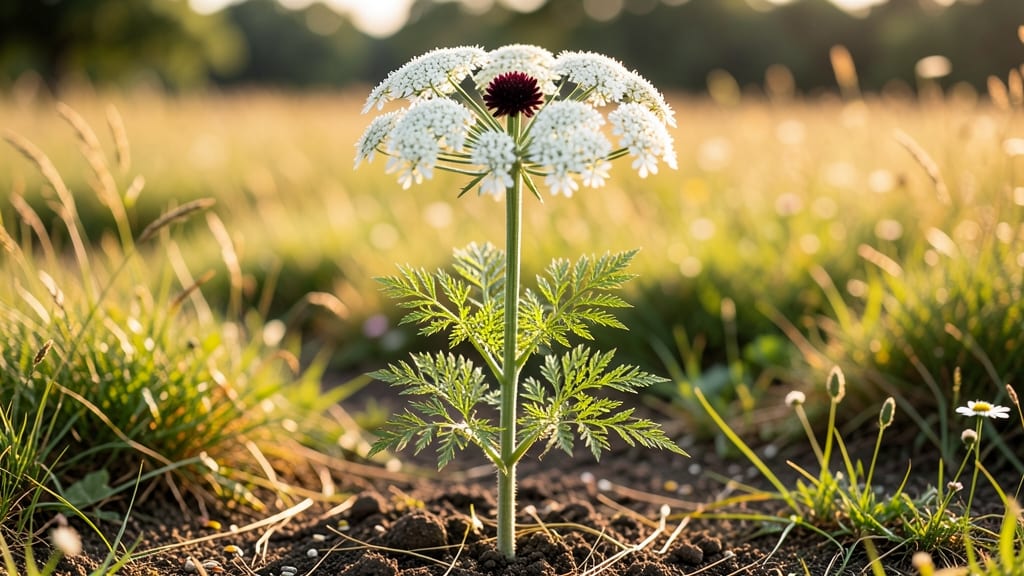
Carrot seed grass isn’t the invasive menace you think—it’s actually a deliberate, fast-growing cover crop that outcompetes weeds while improving soil. 🌱 I first grew it after my neighbor’s lawn looked like a green carpet in just 60 days, and I’ve been using it ever since to smother weeds and build organic matter without tilling.
The secret lies in cold stratification: scatter seeds in early fall when soil temps drop below 60°F, then let winter’s freeze-thaw cycles soften the seed coats.
By spring, you’ll have a dense, nitrogen-rich turf that suppresses weeds naturally. No special equipment needed—just a broadcast spreader or even your hands for small areas.
What you’ll end up with is a lush, weed-free mat that breaks down into nutrient-rich mulch by midsummer. The roots loosen compacted soil, and the biomass feeds earthworms like nothing else. Even better? It’s completely edible—young shoots taste like mild carrot greens and make a great addition to salads.
Works in any climate with proper timing, whether you’re prepping a new garden bed or reviving tired lawn patches. The key is patience—let it establish fully before tilling it under or mowing it down for compost. Here’s how to make it work for your space.
📚 In This Guide
- What you need
- Instructions
- Tips and common mistakes
- Wrapping up and next steps
What you need
- ● Carrot seeds: 1–2 tbsp (organic, non-GMO preferred for best results). Look for wild carrot or Queen Anne’s lace seeds for authentic growth.
- ● Potting soil: 1–2 gallons of well-draining, sterile potting mix (avoid garden soil to prevent weeds or pests).
- ● Containers: 2–4 shallow trays (6–8 inches deep) with drainage holes, or small pots (4–6 inches wide).
- ● Watering can or spray bottle: For gentle, even moisture without disturbing seeds.
- ● Plastic wrap or humidity dome: To maintain moisture during germination.
- ● Gloves: To protect hands from soil and sharp seed debris.
- ○ Seedling heat mat (optional): Speeds up germination in cooler climates (set to 65–75°F).
- ○ Grow lights (optional): 12–16 hours of light daily if natural sunlight is insufficient.
- ○ Fertilizer (optional): A balanced, water-soluble fertilizer (5-5-5 ratio) for faster growth.
- ● Label markers: To track planting dates and varieties.
How to grow carrot seed grass from scratch
Here's my foolproof method for growing lush, nutrient-packed carrot seed grass—ready in just 60 days with minimal effort.
🌱 Step 1: Prepare Your Growing Medium
Fill a shallow container (at least 4 inches deep) with moistened potting mix—not garden soil, which can harbor pathogens. I like to mix in a handful of compost for extra nutrients, but keep it light so water drains freely. Press the soil down gently until it's firm but still crumbly to the touch.
Smooth the surface with your fingers to create an even bed. You want it flat enough to scatter seeds evenly but rough enough to give them something to grip. A light misting with water ensures the soil is damp but not soggy—think of a wrung-out sponge.
🌱 Step 2: Sow the Seeds Evenly
Scatter carrot seeds thinly across the soil surface—don't bury them. Carrot seeds are tiny, so I use a fine-mesh strainer or a folded piece of paper to distribute them evenly. Aim for about 1 teaspoon of seeds per square foot of growing area.
Gently press the seeds into the soil with your fingers or a flat tool, just enough to make contact. Avoid covering them with soil—they need light to germinate. A light misting afterward helps settle them into place without disturbing their position.
💧 Step 3: Maintain Moisture and Light
Place the container in a spot with bright, indirect light—like a north-facing window or under grow lights. Carrot seed grass doesn't need full sun at this stage. Keep the soil consistently moist by misting it 2-3 times daily or covering the container with a clear plastic dome to retain humidity.
You'll see the first sprouts in 5-7 days. Once they reach about 2 inches tall, thin them to 3-4 inches apart so they have room to grow. Use scissors to snip unwanted sprouts at the base—this prevents overcrowding and ensures stronger growth.
☀️ Step 4: Transition to Full Sun
After 2-3 weeks, when the grass is 4-6 inches tall, move it to a location with full sun (6+ hours daily). This boosts chlorophyll production and gives you that vibrant green color. Water deeply once every 2-3 days, letting the top inch of soil dry out between waterings to prevent mold.
Watch for yellowing leaves—this usually means overwatering. If you see it, reduce watering and ensure the pot has drainage. In 60 days, you'll have a lush, ready-to-harvest batch of carrot seed grass, perfect for juicing or blending into smoothies.
Tips & tricks for growing lush carrot seed grass
Confession: I tried growing carrot seed grass three times before I got it right—here's what actually works.
Soil Depth Matters: That 4-inch minimum depth in Step 1 is non-negotiable. Shallow containers cause root crowding and stunt growth. I use a 6-inch deep tray for my batches, and the roots develop much stronger. If you're using a repurposed container, make sure it has drainage holes—waterlogged soil kills these delicate sprouts faster than you'd think.
Seed Distribution Secret: The 1 teaspoon per square foot measurement in Step 2 might seem like overkill, but trust me—crowded seeds lead to weak, leggy grass. For even distribution, try this trick: fold a piece of paper into a small square, pour seeds onto it, then unfold and shake gently over the soil. This creates a natural, even pattern without clumping.
Light Transition Strategy: Moving to full sun at 2-3 weeks (Step 4) is crucial, but don't rush it. I gradually increase sun exposure over 3-4 days by moving the container to sunnier spots each day. This hardens the grass and prevents sunburn. Look for leaves that are a rich green—not yellow or pale—before full sun exposure.
Thinning Technique: When thinning to 3-4 inches apart at the 2-inch mark, use sharp scissors to cut at the base rather than pulling. This prevents disturbing the roots of neighboring plants. I find it helps to thin in stages—first reduce density by half, then thin again after another week if needed. This gives your grass more time to establish before competition sets in.
Pro Tips for Carrot Seed Grass
- Confession: I tried growing carrot seed grass three times before I got it right—here's what actually works.
- Soil Depth Matters: That 4-inch minimum depth in Step 1 is non-negotiable.
- Seed Distribution Secret: The 1 teaspoon per square foot measurement in Step 2 might seem like overkill, but trust me—crowded seeds lead to weak, leggy grass.
Frequently asked questions
Got questions about growing carrot seed grass?
You’re not alone! Here are answers to the most common queries to help you nail your cold-stratified sprouts—no guesswork required.
1. How long does carrot seed grass take to germinate?
With cold stratification, germination typically takes 10–21 days after sowing. Start seeds indoors in moist paper towels or peat pots, then refrigerate for 3–4 weeks before transplanting. Patience pays off—thin, lush blades emerge faster this way!
2. What’s the best temperature for cold-stratifying carrot seed grass?
Aim for 35–45°F (2–7°C) during stratification. Too warm (above 50°F/10°C) speeds up mold risk, while below 32°F (0°C) can halt germination. Use a fridge (not freezer!) with a humid environment—like a sealed container with damp paper towels.
3. Can I use regular carrot seeds instead of grass seeds?
Nope! Carrot seed grass is a specialized variety (often labeled as Daucus carota ‘grass-type’). Regular table carrot seeds (Daucus carota sativus) won’t produce the same fine, ornamental blades. Check seed packets for “grass” or “ornamental” labels to avoid disappointment.
4. Why is my carrot seed grass turning yellow or moldy?
Yellowing often signals overwatering or fungal issues. Ensure pots have drainage holes and avoid soggy soil. For mold (fuzzy spots), reduce humidity and treat with a neem oil spray. Let soil dry slightly between waterings—carrot seed grass prefers consistent moisture, not sogginess.
5. How do I maintain carrot seed grass after germination?
Once sprouted, keep soil lightly moist (not drenched) and place in bright, indirect light (e.g., a sunny windowsill). Thin seedlings to 2–3 inches apart to prevent competition. After transplanting outdoors, water deeply 1–2x/week—drought stress turns blades brittle!
Pro tip: Harvest blades at 4–6 inches tall for the best texture. Use sharp scissors to avoid crushing stems!
Wrapping up and next steps
Growing carrot seed grass through cold stratification is a rewarding way to cultivate lush, hardy lawns from scratch!
With just a few simple supplies and patience, you can transform humble carrot seeds into vibrant, nutrient-rich sprouts ready for transplanting. Your green thumb is closer than you think—start today, and watch your lawn transform in just 60 days!
Ready to dive in? Gather your materials, follow the steps, and soon you’ll be enjoying a thriving lawn—all thanks to the magic of carrot seed grass. 🌱✨