
Lawn
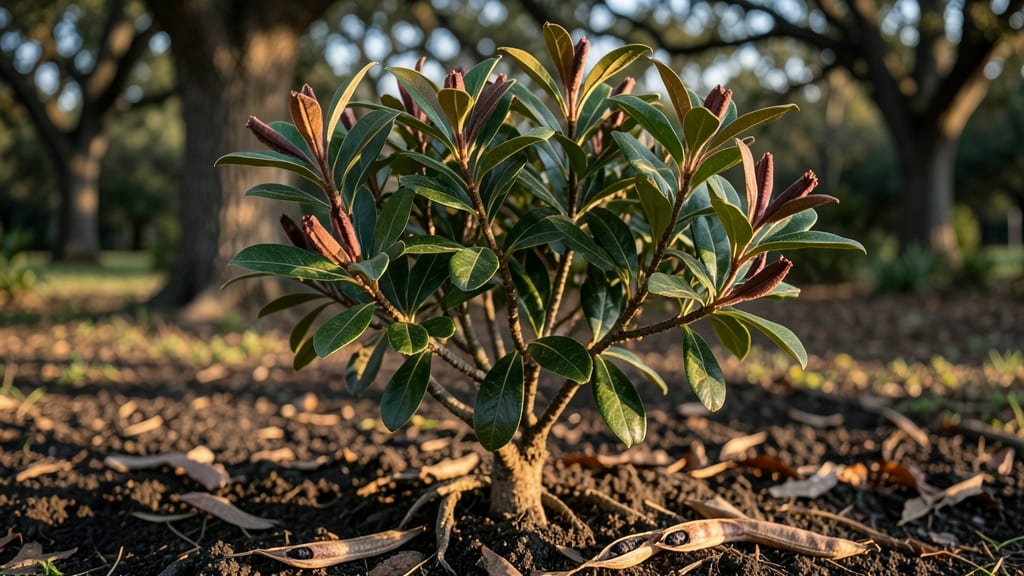
Harvesting Carolina allspice seed pods without the messy twist is the secret to saving seeds—and this method works like magic. 🌿 The pods turn from green to brown in late fall, signaling they’re ready for collection, but twisting them off can damage the seeds inside.
Instead, we’ll use a simple, zero-waste technique that preserves every seed for next year’s garden.
Here’s the game-changer: wait until the pods are fully dry and brittle before harvesting. Grab a pair of pruning shears and snip them cleanly from the stems—no twisting required. This keeps the seeds intact and makes processing easier.
Once collected, spread the pods on a tray to dry completely before cracking them open, ensuring you capture every seed without waste.
What you’ll end up with is a stash of viable seeds ready for planting in early spring. These seeds germinate reliably, producing fragrant shrubs that attract pollinators and add year-round interest to your landscape. The best part? You’ll never buy allspice seeds again—just replant what you’ve saved.
This method works for any native allspice variety, whether you’re growing in containers or in the ground. Perfect for gardeners who love low-maintenance, high-reward plants. Let’s get those pods harvested the right way!
📚 In This Guide
- What you need
- Instructions
- Tips and common mistakes
- Wrapping up and next steps
What you need
- ● Mature Carolina allspice plants (at least 2–3 years old for optimal seed production). Look for plants with plump, brownish seed pods—they’re ready when they start splitting open!
- ● Pruning shears or sharp scissors (sterilized with rubbing alcohol to prevent disease transfer).
- ● Brown paper bags or breathable fabric sacks (2–3 medium-sized bags, ~12" x 15" each). Avoid plastic—they trap moisture and encourage mold!
- ● Tweezers or small forceps (for delicate seed extraction). A pair of fine-tip tweezers works best.
- ● Fine-mesh seed-saving screen or paper towel (for drying seeds). A 1/8" mesh screen or coffee filter works in a pinch.
- ● Air-tight seed storage containers (2–4 small jars or envelopes with silica gel packets for humidity control). Mason jars or labeled paper envelopes are ideal.
- ● Gloves (nitrile or cotton) to protect hands from prickly pods or sap.
- ● Labeling tags or masking tape + marker for tracking seed varieties and harvest dates.
- ● Dehumidifier or small fan to speed up seed drying in humid climates.
- ● Magnifying glass for inspecting seeds for pests or damage.
- ○ Digital scale (optional) to monitor seed moisture content—aim for <10% for long-term storage.
- ● Patience—Carolina allspice pods take 6–8 weeks to mature after flowering. Plan your harvest for late summer or early fall!
- ● Dry weather for harvesting (humidity >70% can ruin seeds). Aim for a clear, sunny day.
- ● Basic knowledge of seed viability—discard any pods with mold, holes, or weevil damage.
Step-by-Step instructions for harvesting Carolina allspice seed pods
Here's my foolproof method for collecting seeds without twisting or damaging the pods—perfect for saving seeds year after year.
🌿 Step 1: Identify and Wait for Mature Pods
Carolina allspice pods turn a deep, papery brown when fully mature—wait until they're completely dry and crisp to the touch. I check pods in late autumn when they've had time to fully ripen on the plant. Gently shake the branch; if seeds rattle inside, they're ready.
Don't harvest green or partially brown pods—they won't store well. I like to collect pods on a dry, sunny day when humidity is low. This prevents any moisture from sticking to the seeds during handling.
✂️ Step 2: Harvest Pods Without Damaging Them
Use clean, sharp pruning shears to snip pods directly from the stem. I avoid twisting or pulling, which can tear the pod and scatter seeds prematurely. Cut just above the pod where the stem meets the branch—this keeps the plant healthy for future growth.
Place harvested pods in a paper bag (not plastic) to allow airflow. This prevents condensation from forming inside, which could mold the seeds. I label each bag with the harvest date—fresh seeds store better and maintain viability for longer.
🪴 Step 3: Dry and Extract Seeds Properly
Spread pods on a clean, dry surface in a single layer. I use a baking sheet lined with parchment paper for easy cleanup. Let them dry for 3-5 days in a warm, dry place away from direct sunlight—this prevents overheating and seed damage.
Once pods are completely dry and brittle, gently crush them with your fingers or a small rolling pin. The seeds will separate easily. I sift through the debris to remove any remaining pod fragments, ensuring only clean seeds remain.
💧 Step 4: Store Seeds for Long-Term Viability
Place seeds in a small envelope or airtight container with a silica gel packet to absorb moisture. I store mine in a cool, dark place like the refrigerator—this extends their shelf life to 2-3 years. Label the container with the harvest year and variety.
Test a few seeds after 6 months to confirm viability. Plant them in moist soil and check for germination in 10-14 days. If they sprout well, the rest are ready for long-term storage. Discard any seeds that fail this test.
🌱 Step 5: Prepare for Next Year's Planting
In early spring, soak seeds overnight in lukewarm water to soften the outer coating. This speeds up germination. Plant them ¼ inch deep in well-draining soil and keep the soil consistently moist until sprouts appear.
Carolina allspice thrives in partial shade, so choose a spot with 4-6 hours of morning sun. Mulch around the base to retain moisture and suppress weeds. You'll see seedlings emerge in 2-3 weeks—watch for the first true leaves to appear before thinning.
Tips & tricks for perfect Carolina allspice seed pod harvesting
These simple strategies will help you preserve every seed without the frustration of broken pods or wasted effort.
Timing is Everything: I can't stress enough how critical the 3-5 day drying period in Step 3 really is. This isn't just about speed—it's about preventing mold. I've seen seeds spoil when rushed, so resist the urge to skip ahead. Place a small fan nearby to gently circulate air without creating drafts that could scatter seeds prematurely.
Harvesting Technique: The secret to undamaged pods in Step 2 is using the right tool. Avoid scissors or dull shears—they crush pods. I've ruined entire batches by using the wrong tool, so invest in sharp pruning shears. Cut cleanly just above the pod where it meets the stem, and you'll preserve both the pod and the plant's health for next season.
Seed Viability Test: That 6-month viability test in Step 4 is your insurance policy. I learned this the hard way after storing seeds for years only to find they wouldn't germinate. Plant 3-5 seeds in a small pot with moist soil and check for sprouts in 10-14 days. If they don't sprout, your storage conditions need adjustment—maybe your container wasn't airtight enough or the refrigerator humidity was too high.
Storage Wisdom: The silica gel packet in Step 4 isn't optional—it's essential. I've seen seeds lose viability within months when stored without it. Place the packet directly in the container with seeds, not just in the lid. For extra protection, add a small packet of uncooked rice to absorb any remaining moisture. This simple addition has extended my seed storage life by nearly a year.
Pro Tips for Carolina Allspice Seed Pods
- These simple strategies will help you preserve every seed without the frustration of broken pods or wasted effort.
- Timing is Everything: I can't stress enough how critical the 3-5 day drying period in Step 3 really is.
- Harvesting Technique: The secret to undamaged pods in Step 2 is using the right tool.
Frequently asked questions
about harvesting and using Carolina allspice (Calycanthus floridus) seed pods—your go-to guide for troubleshooting and practical tips!When is the best time to harvest Carolina allspice seed pods?
Harvest seed pods when they turn brown and papery (typically late fall to early winter). Wait until they naturally open—this ensures seeds are fully mature and viable. Avoid harvesting too early; green pods won’t yield good seeds.
How do I store harvested seed pods for later use?
Store pods in a cool, dry place (like a paper bag or envelope) for up to 6 months. For longer storage, remove seeds and keep them in an airtight container with a desiccant packet to prevent mold. Label with the harvest date!
What if my seed pods won’t open on their own?
If pods stay closed, gently twist or crush them with gloved hands to release seeds. Avoid cutting—this can damage the delicate seeds. Place crushed pods in a mesh bag to catch seeds as they fall. Patience helps!
Can I use Carolina allspice seeds for cooking like true allspice?
No—while the flavor is similar, Carolina allspice seeds are milder and not a direct substitute. Use them for infusions, teas, or garnishes, but avoid high-heat cooking (they burn easily). For bold spice, stick to true allspice berries!
What’s the easiest way to propagate Carolina allspice from seed?
Sow seeds fresh or stratified (mix with damp sand, refrigerate 60 days) for best germination. Plant in well-draining soil and keep moist. Seedlings may take 1–2 years to mature—patience pays off!
Wrapping up and next steps
Harvesting Carolina allspice seed pods is a rewarding way to embrace zero-waste gardening while ensuring a fresh supply of fragrant, flavorful seeds for years to come. By following these simple, twist-free techniques, you’ll preserve seed viability and reduce food waste—all while connecting with nature’s cycles.
Now that you’re equipped with the know-how, why not plant a few pods this season and watch your garden thrive with this versatile herb? Happy growing! 🌱✨
- Next Step: Start small—try harvesting just a few pods to practice your technique before scaling up.
- Bonus Tip: Share your seeds with fellow gardeners to spread the joy (and reduce waste)!