
Watering
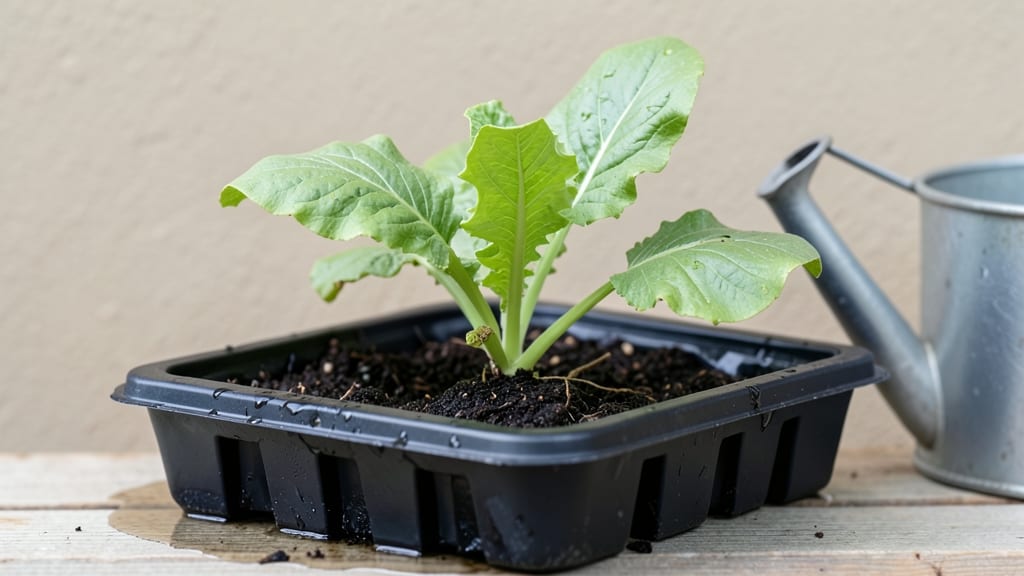
You can absolutely overwater seeds, and it often kills them before they even sprout by cutting off oxygen, washing away nutrients, or triggering rot. Instead, maintain barely damp soil—water just enough to moisten the top inch when dry—and always use containers with drainage holes.
Overwatering seeds creates a suffocating environment where roots can't breathe, while excess moisture also encourages harmful fungal growth. 🌱 The key is balance—most seeds need soil that feels like a damp sponge, not a soggy mess.
I’ve seen even hardy seeds like beans fail when kept too wet, so I recommend checking moisture with your finger rather than relying on a schedule.
Different seeds have different needs, but the rule of thumb is: if water pools on top or the soil stays cold and clammy, you’re overdoing it.
For delicate seeds like lettuce or herbs, I often use a spray bottle to mist lightly rather than pouring. Hardier varieties like marigolds can handle slightly more water, but even they’ll rot if left sitting in wet soil.
The fastest way to test if you’re overwatering? Lift a seedling—if it feels mushy or smells funky, you’ve waited too long. Drainage is your best friend here; always choose trays with holes and elevate them to prevent waterlogging.
💡 In This Article
- How Overwatering Destroys Seed Germination
- Best Watering Practices for Healthy Seedlings
How overwatering destroys seed germination
Overwatering seeds creates a deadly trifecta of problems starting with oxygen deprivation. Seeds need air to trigger germination—roots use oxygen for cellular respiration, and when soil stays waterlogged, tiny air pockets disappear.
This suffocation happens within hours, especially in dense soils like clay, where water displaces all available oxygen. 🌱 The roots essentially drown before they can grow, leaving seeds looking shriveled or blackened instead of sprouting.
Excess moisture also dilutes essential nutrients in the soil, making them inaccessible to emerging roots. For example, nitrogen—critical for early growth—becomes leached away when water constantly flows through the soil. This nutrient starvation weakens seedlings before they even break the surface.
Meanwhile, fungal pathogens like Pythium and Phytophthora thrive in wet conditions, attacking tender roots and causing seed rot that looks like brown, mushy spots. Even hardy seeds like tomatoes or peppers can fail if kept too wet, as their energy reserves get depleted fighting these infections.
The ideal moisture balance varies by seed type. Delicate species like basil or snapdragons need soil that feels like a damp sponge—just enough moisture to hold together when squeezed, but not dripping.
Hardier seeds like beans or sunflowers tolerate slightly drier conditions, but even they struggle if the soil stays cold and saturated. 💧 The key is to mimic natural rainfall: water deeply but infrequently, allowing the top inch to dry slightly between sessions.
This prevents both overwatering and underwatering, which can also stunt growth.
Temperature plays a hidden role too. Cool water (below 65°F) slows germination and increases the risk of rot, while warm water (around 70-75°F) encourages healthy root development.
Many gardeners accidentally overwater by using cold tap water straight from the faucet—letting it sit for 20 minutes first can make a noticeable difference. The combination of proper moisture, temperature, and oxygen creates the perfect environment for seeds to sprout within 3-14 days, depending on the species.
Visual clues can help you spot overwatering early. Healthy seedling soil should crumble easily when dry and hold its shape when moist, like a well-kneaded loaf of bread.
If it sticks together in clumps or leaves a puddle in the tray, you’ve gone too far. 🌱 Another telltale sign is condensation on the inside of your seed-starting container—a clear sign the environment is too humid.
For maximum control, consider using a moisture meter or even a simple toothpick test: insert it into the soil and check for dampness without saturation.
Even experienced gardeners sometimes overwater because seeds don’t show immediate signs of distress. The damage often appears days later when seedlings suddenly collapse or fail to emerge. This delayed feedback loop makes it crucial to monitor soil conditions closely, especially in low-light conditions where evaporation slows down.
The good news? With proper drainage and careful watering, you can give seeds the perfect balance they need to thrive.