
Companion Plants
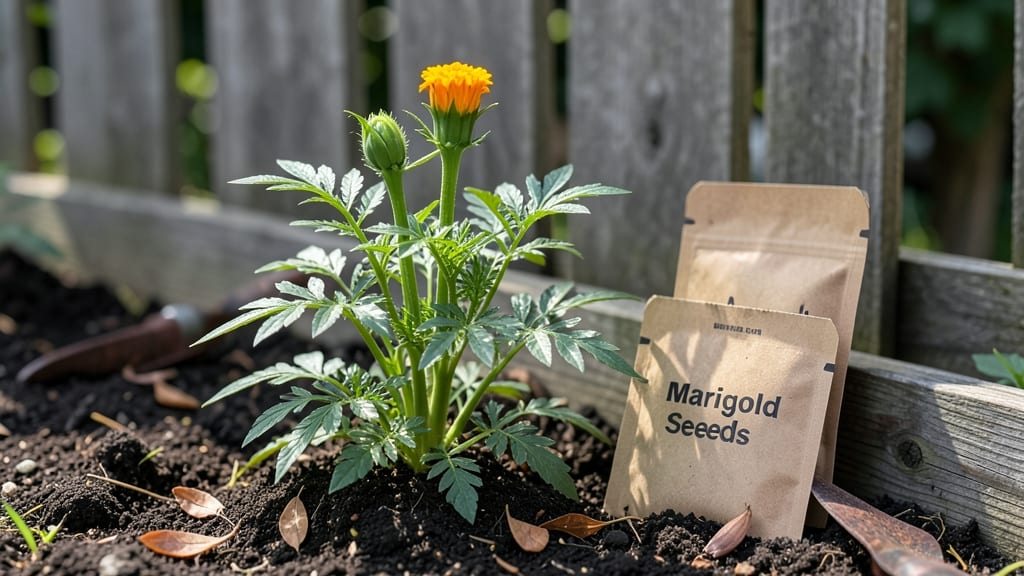
You can plant marigold seeds in the fall in mild climates (USDA Zones 8-10), where they’ll germinate before winter, but avoid cold regions (Zones 1-7) unless starting indoors. Choose frost-tolerant varieties like French marigolds for best success in cooler fall conditions.
Fall planting works best when soil temperatures stay above 50°F, allowing seeds to sprout before frost. 🌱 In warmer zones, direct sowing 4-6 weeks before your first frost date gives seedlings enough time to establish roots.
For colder areas, starting seeds indoors under grow lights is your best bet—just transplant them outdoors once nighttime temperatures consistently stay above 55°F. French marigolds handle cooler weather better than other varieties, making them ideal for late-season planting.
Pro tip: Use a lightweight row cover if you're pushing the limits of your zone—it adds 5-10°F of protection without smothering young plants. Always test soil moisture before watering, as fall's cooler temps slow evaporation but can still lead to overwatering if you're not careful.
💡 In This Article
- Fall Marigold Planting by USDA Zone: Frost and Climate Considerations
- Step-by-Step Fall Marigold Seed Starting Guide for Containers and Ground
Fall marigold planting by USDA zone: frost and climate considerations
Marigolds thrive when soil temperatures hover between 60-75°F for optimal germination, but cooler fall conditions can still work if you time it right. In USDA Zones 9-10, where winters are mild, you can direct-sow seeds as late as October-November—they'll germinate in 7-14 days before winter slows growth.
Zones 8-9 require planting 4-6 weeks before your first frost date to give seedlings a head start, while Zones 7 and below need indoor starts to avoid frost damage.
The key difference lies in marigold varieties: French marigolds (like 'Bonanza' or 'Crackerjack') tolerate cooler temps down to 28°F with protection, while African marigolds (such as 'Jingle Bells') struggle below 32°F.
French types also handle shorter daylight hours better, making them ideal for fall. 🌿 Soil moisture is critical—fall's cooler air holds less humidity, so seeds need consistently damp (not soggy) soil to sprout. A soil thermometer helps: aim for 55°F+ at planting depth (1/4 inch).
Frost dates vary wildly by region: Southern California's Zone 10 might see frost in December, while Zone 7's first frost could arrive by November. Calculate your frost-free window by checking the USDA's Plant Hardiness Zone Map—then subtract 6-8 weeks for fall planting.
For example, if your first frost is November 15th, plant by September 20th to ensure germination before winter sets in.
Cold hardiness matters more than you'd think. Even frost-tolerant marigolds can suffer stunted growth if nighttime temps drop below 40°F for extended periods. In Zones 6-7, use black plastic mulch to absorb daytime heat and radiate warmth at night, raising soil temps by 3-5°F.
For Zones 1-5, stick to indoor starts under grow lights (12-14 hours/day) until spring—outdoor conditions are simply too harsh for fall germination.
Don't overlook microclimates! A south-facing garden bed or urban heat island (like a paved area nearby) can create a 5-10°F warmer zone than your official USDA rating. Test these spots with a soil thermometer before planting—sometimes they're the only places where fall marigolds will thrive in colder regions. 🌡️
Here's a quick zone-by-zone guide to timing:
- Zones 9-10: Direct-sow October-November (soil temps 60-70°F)
- Zones 8-9: Plant 4-6 weeks before frost (soil 55-65°F)
- Zones 7: Start indoors 8-10 weeks before frost or use row covers
- Zones 1-6: Indoor starts only—outdoor planting risks frost damage