
Vegetables
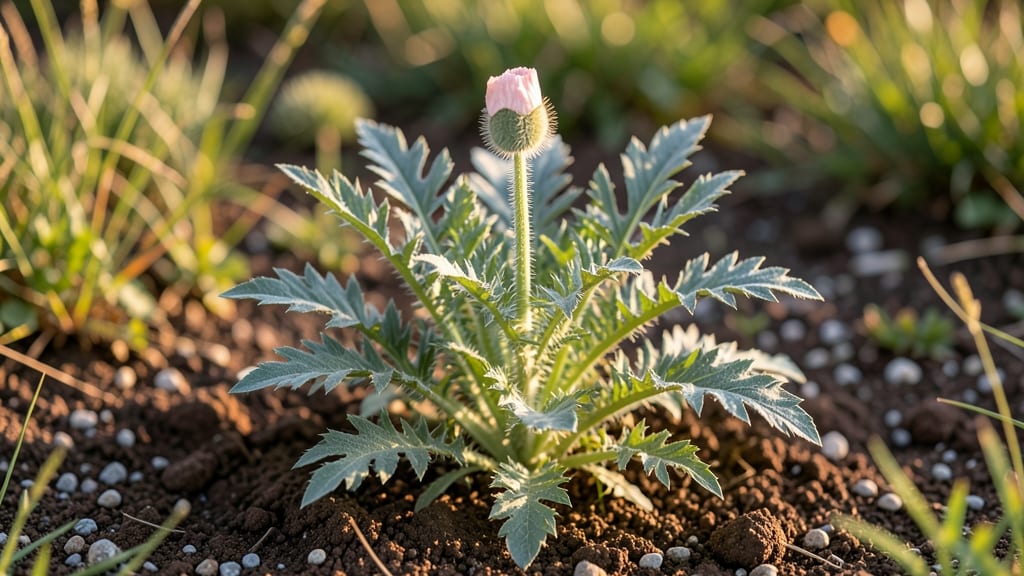
Breadseed poppy leaves are the unsung heroes of zero-waste gardening—tender, edible, and packed with flavor before the flowers even open. 🌱 I’ve grown these delicate plants for years, and the secret to harvesting their leaves without stress is all about timing and technique.
Once you master it, you’ll have fresh greens for salads or garnishes while saving seeds for next year’s garden.
The leaves taste like a mild, slightly peppery spinach, perfect for adding to spring dishes or infusing oils. Plant them in full sun with well-draining soil, water lightly, and harvest young leaves in the morning when they’re crispest.
Avoid overwatering—they’re drought-tolerant once established, which makes them low-maintenance and perfect for busy gardeners.
📚 In This Guide
- What you need
- Instructions
- Tips and common mistakes
- Wrapping up and next steps
What you need
- ● Breadseed poppy plants: Healthy, mature plants (at least 6–12 inches tall) with fully unfurled leaves. Aim for 10–20 plants for a small harvest.
- ● Sharp scissors or pruning shears: Clean, sterilized to avoid damaging the plant or spreading disease.
- ● Food-grade storage containers: Airtight jars or bags (e.g., quart-sized mason jars or ziplock bags with oxygen absorbers for long-term storage).
- ● Paper towels or clean kitchen towels: For patting leaves dry post-harvest.
- ○ Optional drying rack or screen: A mesh rack or clean wire cooling rack (or even a clean baking sheet) to air-dry leaves.
- ● Glove: Lightweight gardening gloves to protect hands from sap (if sensitive).
- ● Labeling tags: For marking harvest dates or varieties (e.g., masking tape + marker).
- ● Dehydrator: Speeds up drying (set to 95°F–115°F for 2–4 hours).
- ● Vacuum sealer: Extends shelf life by removing air (great for bulk storage!).
How to harvest breadseed poppy leaves without losing seeds
Here's the simple method I use to get tender leaves year after year while still saving seeds.
🌿 Step 1: Identify and Select Healthy Leaves
Wait until your breadseed poppy plants reach 12-18 inches tall before harvesting leaves. The first true leaves are too bitter, but once you see the second set of mature leaves (about 3-4 inches long), they're ready. I always pick leaves from the outer stems first—this encourages bushier growth.
Look for leaves that are deep green and firm, not yellowing or spotted. Avoid harvesting more than one-third of the plant at once—this keeps the plant strong enough to produce both leaves and seed pods later. Use clean, sharp scissors to cut leaves at the base of the stem.
🌱 Step 2: Harvest Strategically to Preserve Seed Production
Harvest leaves in the morning after dew has dried—this ensures the highest flavor and prevents mildew. I focus on the larger, lower leaves first, leaving the smaller upper leaves and flower buds intact. This method lets the plant continue flowering and seed production.
Never harvest leaves when the plant is in full bloom or when seed pods are forming. If you see green seed pods developing, stop leaf harvesting entirely for 4-6 weeks to allow seeds to mature. You'll know you've waited too long when the seed pods turn brown and papery.
✂️ Step 3: Clean and Store Leaves for Fresh Use
Rinse harvested leaves gently under cool water to remove any dirt or debris, then pat dry with a clean towel or paper towels. I like to store them in a single layer on a paper towel-lined tray in the fridge for up to 5 days—this keeps them crisp and flavorful.
For longer storage, wash and dry the leaves thoroughly, then place them in a paper bag or breathable container in the freezer. Frozen poppy leaves retain their flavor for up to 3 months. When ready to use, simply thaw and chop—no need to defrost completely.
🌻 Step 4: Allow Seed Pods to Mature for Zero-Waste Saving
Once you've finished harvesting leaves, let the plant focus on seed production. Breadseed poppy pods mature in 4-6 weeks after flowering begins. You'll know they're ready when the pods turn brown and papery and begin to split open slightly.
To collect seeds, place a brown paper bag under the plant and gently shake or brush the pods. The seeds will fall into the bag while the chaff stays behind. Store seeds in a cool, dry place in a sealed container for up to 2 years. This ensures you always have fresh plants without buying new seeds.
⏰ Step 5: Plan for Continuous Harvests Throughout the Season
For a steady supply of leaves, sow new seeds every 2-3 weeks during the growing season. This staggered planting ensures you always have mature leaves ready to harvest while others are still developing. Breadseed poppies grow quickly, so you'll have fresh leaves in as little as 6-8 weeks from seed.
In cooler climates, start seeds indoors 4-6 weeks before the last frost date and transplant outdoors once the soil warms to 50°F. In warmer regions, direct sow after all danger of frost has passed. With this method, you'll enjoy fresh poppy leaves from early summer through fall.
Tips & tricks for perfect breadseed poppy harvesting
These practical insights will help you maximize your harvest while keeping your plants thriving for years.
Timing is Everything: In Step 1, when checking for mature leaves, look for the second set that's about 3-4 inches long—these are the sweet spot for flavor. I've learned the hard way that harvesting too early gives bitter leaves, while waiting too long means fewer leaves when pods form. The key is that middle ground where leaves are fully developed but pods haven't started forming yet.
Equipment Upgrade: For Step 1, invest in a pair of small pruning shears instead of regular scissors. They give you more control when cutting at the base of stems, and you'll avoid accidentally damaging the plant. I keep mine in my gardening toolbox so they're always handy during harvest season.
Storage Wisdom: When storing leaves in Step 3, place a paper towel between layers if stacking in the fridge. This prevents moisture buildup that can cause leaves to wilt faster. For freezing, I like to portion leaves into single-serving bags—this way you can thaw exactly what you need without dealing with a big clump.
Seed Saving Secret: In Step 4, when collecting seeds, I add a small piece of cardboard under the paper bag. This creates a two-layer system that catches stray seeds that might fall through the bag's weave. It's a simple trick that saves me from losing seeds to the ground.
Pro Tips for Breadseed Poppy Leaves
- These practical insights will help you maximize your harvest while keeping your plants thriving for years.
- Timing is Everything: In Step 1, when checking for mature leaves, look for the second set that's about 3-4 inches long—these are the sweet spot for flavor.
- Equipment Upgrade: For Step 1, invest in a pair of small pruning shears instead of regular scissors.
Frequently asked questions
Got questions about harvesting breadseed poppy leaves? You’re not alone! Here are some of the most common concerns—and their simple solutions—to help you make the most of your zero-waste garden.
When is the best time to harvest breadseed poppy leaves?
Harvest young, tender leaves before the plant bolts (typically 4–6 weeks after germination). For a continuous supply, pick outer leaves first, leaving the inner growth intact. Avoid harvesting when flowers are forming—prioritize leafy greens over seed production if you want both!
How often should I harvest breadseed poppy leaves?
Harvest every 2–3 weeks for a steady yield. Over-picking can stress the plant, so balance leaf harvests with seed-saving goals. If you’re growing for both, focus on leaves early in the season and shift to seed collection as flowers appear.
Can I substitute breadseed poppy leaves for other greens in recipes?
Use them like spinach or arugula in salads, sautés, or smoothies. Their mild, slightly peppery flavor pairs well with cheese, eggs, or citrus. Start with small amounts—poppy leaves can be potent—and adjust to taste. Pro tip: Blend them into pestos or soups for a subtle pop!
Why are my breadseed poppy leaves turning yellow or wilted?
Yellowing leaves often signal overwatering, nutrient deficiency, or pests. Check soil moisture (poppies hate soggy roots) and ensure they get full sun (6+ hours/day). For pests, inspect undersides for aphids or spider mites—spray with neem oil if needed. Wilting? Likely thirst—water deeply but infrequently.
Do breadseed poppy leaves contain opiates like the opium poppy?
Nope! Breadseed poppies (Papaver somniferum) are non-narcotic and safe for culinary use. Only opium poppy varieties (heavily regulated) produce latex with opiate compounds. Always source seeds from reputable suppliers to avoid confusion.
Wrapping up and next steps
Harvesting breadseed poppy leaves is a simple, rewarding way to reduce food waste and boost your garden’s productivity—no fancy tools or expertise required! By following these stress-free steps, you’ll enjoy fresh greens while ensuring your poppy plants thrive for seed-saving success. 🌱
Ready to take the next step? Start small—plant a few poppies this season and experiment with leaf harvesting. Share your zero-waste wins with fellow gardeners, and soon, you’ll be savoring and saving every part of this versatile plant. Happy growing! 🌟