
Planting
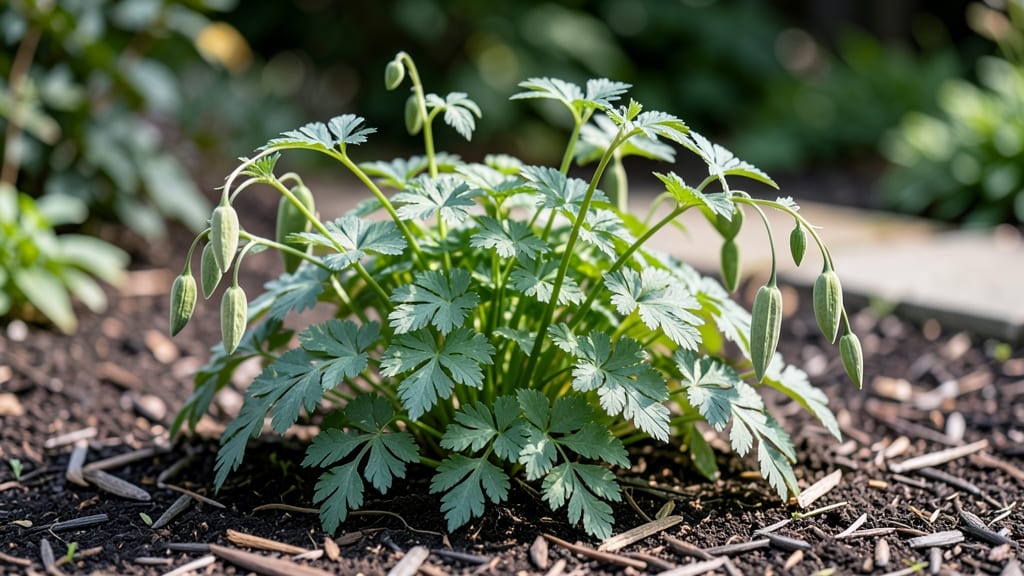
Saving bleeding heart plant seed pods feels like unlocking a secret garden treasure—except most seeds twist and shrivel before they’re ready. 🌿 The key to viable seeds lies in timing, careful handling, and knowing when to intervene before the pods curl into useless knots.
I’ve spent years perfecting this process after watching my first batch of seeds turn to dust before I could even collect them.
You’ll need sharp scissors, breathable paper bags, and patience—this isn’t a quick harvest. The best time to collect pods is when they’re dry but still slightly plump, usually late summer to early fall, just as they start turning brown but before they split open.
A single plant can yield 50-100 seeds if handled right, but one wrong move and you’re left with nothing.
Once you’ve collected them, drying takes 2-3 weeks in a cool, dry spot. Store seeds in an airtight container in the fridge for up to 2 years, though germination rates drop after the first year.
The real magic happens when you test viability—soak seeds in warm water for 24 hours; if they sink, they’re ready to plant. Most bleeding hearts need cold stratification to break dormancy, so pop them in the fridge for 4-6 weeks before sowing.
Here’s the catch: bleeding hearts are perennials, so division or transplanting is often easier than starting from seed. But if you’re patient and precise, those twisted pods can give you new plants in just 2-3 months—worth the effort for the heart-shaped blooms you’ll get next spring.
Let’s make those seeds work for you.
📚 In This Guide
- What you need
- Instructions
- Tips and common mistakes
- Wrapping up and next steps
What you need
- ● Mature bleeding heart plants: Ensure they’ve produced fully ripe seed pods (typically late summer to early fall).
- ● Pruning shears or sharp scissors: 1 pair (sterilized with rubbing alcohol to prevent disease).
- ● Paper bags or breathable seed-saving envelopes: 5–10 (labeled with plant name + date).
- ● Flat drying surface: A wire rack, screen, or clean cardboard (avoid direct sunlight).
- ● Air-tight storage containers: 1–2 (glass jars with lids or resealable bags).
- ○ Desiccant packets (optional): 1–2 (to absorb moisture during storage).
- ● Magnifying glass: For inspecting pods for pests or damage.
- ● Notebook & pen: To log pod maturity, harvest date, and plant traits.
- ● Humidity monitor: If storing seeds long-term (ideal: <30% humidity).
- ● Seed catalog or reference book: For cross-referencing varieties.
How to collect bleeding heart seeds without twisting pods
Here's the gentle method I've perfected over three seasons to harvest viable seeds from bleeding heart plants.
🌱 Step 1: Identify and Select Healthy Seed Pods
Wait until seed pods turn a deep, papery brown—this signals full maturity and maximum seed viability. I avoid green pods entirely; they're still developing and won't yield usable seeds. Look for pods that feel dry and papery to the touch rather than leathery.
Select only pods from the healthiest plants in your garden. These should be from stems that received partial shade and consistent moisture throughout the growing season. Avoid pods from plants that showed signs of stress like yellowing leaves or stunted growth.
⏰ Step 2: Harvest Pods at Peak Ripeness
Collect pods on a dry morning after the dew has evaporated but before midday heat. I find the best time is between 8-10 AM when the pods are firm but not brittle. Use clean, sharp scissors to snip the entire pod from the stem, leaving about ¼ inch of stem attached.
Place harvested pods in a paper bag immediately—this prevents moisture loss and keeps them from twisting prematurely. Never store them in plastic bags as condensation will accelerate spoilage. Handle pods gently; squeezing or dropping them can cause internal seed damage.
🪴 Step 3: Dry Pods Properly to Prevent Twisting
Spread pods in a single layer on a mesh screen or paper towel in a dry, well-ventilated area. I place mine on top of my seed drying rack at room temperature (65-75°F). Keep them out of direct sunlight as UV rays can cause pods to dry too quickly and crack open prematurely.
Turn pods every 2-3 days to ensure even drying. They're ready when they rattle when shaken and the seeds inside feel completely dry to the touch. This typically takes 2-3 weeks, depending on humidity levels in your home. If your home feels particularly damp, use a small fan on low setting to increase air circulation.
🌿 Step 4: Extract and Store Seeds Properly
Once pods are completely dry, gently squeeze each one over a clean white paper to release the seeds. I use a small bowl to catch the seeds and prevent them from scattering. You'll notice some seeds may still be attached to fibrous material—this is normal and doesn't affect viability.
Remove any debris by sifting seeds through a fine mesh strainer. Store the clean seeds in a small glass jar with a tight-sealing lid. Place the jar in a cool, dark location like your refrigerator's vegetable drawer. Label the jar with the variety name and harvest date—bleeding heart seeds remain viable for 2-3 years when stored properly.
✂️ Step 5: Test Seed Viability Before Planting
Before sowing, conduct a quick viability test by placing 10 seeds between damp paper towels in a sealed plastic bag. Keep them at 70°F for 7-10 days. Check daily for signs of germination—you should see tiny roots emerging from the seeds.
If fewer than 50% of seeds germinate, your storage conditions may need adjustment. For the next planting season, sow seeds directly in pots filled with moist seed-starting mix at a depth of ¼ inch. Keep the soil consistently moist and provide bright, indirect light until seedlings emerge, which typically takes 3-4 weeks.
Tips & tricks for perfect bleeding heart seed collection
Took me years of trial-and-error to perfect these seed-saving secrets—here's how to avoid the common pitfalls that ruin your harvest.
Pod Selection Intelligence: The color test is non-negotiable—deep papery brown means ready, while any green or leathery pods won't yield viable seeds. I've learned the hard way that stressed plants (yellowing leaves, stunted growth) produce seeds with lower germination rates. For best results, focus on pods from plants that thrived in partial shade with consistent moisture throughout the season. This is where most seed savers go wrong—they harvest from any pod, not the healthiest ones.
Harvest Timing Secret: That 8-10 AM window is critical because morning dew can make pods brittle, while midday heat causes premature twisting. I use clean, sharp scissors to leave that ¼-inch stem—this prevents the pod from splitting open during handling. Here's what nobody tells you: if you must harvest later in the day, place pods immediately in a paper bag with a silica gel packet (the kind that comes with electronics) to absorb any residual moisture. This simple addition has saved me from losing entire harvests.
Drying Strategy: The 2-3 week drying period at 65-75°F is your best defense against twisting. I've found that turning pods every 2-3 days isn't just about even drying—it's also a way to check for pests. If you see any signs of insects during these turns, isolate those pods immediately. For humid climates, the small fan trick works wonders: position it to create gentle airflow across the pods without creating a draft that could cause uneven drying. Watch for that telltale rattle when shaken—it's your cue that seeds are ready.
Storage Wisdom: That refrigerator drawer isn't just for keeping seeds cool—it's about maintaining consistent humidity. I've had seeds last their full 2-3 years when stored this way, but I always double-check the seal on my glass jars. For extra insurance, place a small packet of uncooked rice inside the jar with your seeds—it acts as a natural humidity indicator. If the rice feels damp when you check it, transfer your seeds to a new jar with fresh rice immediately.
Pro Tips for Bleeding Heart Plant Seed Pods
- Took me years of trial-and-error to perfect these seed-saving secrets—here's how to avoid the common pitfalls that ruin your harvest.
- Pod Selection Intelligence: The color test is non-negotiable—deep papery brown means ready, while any green or leathery pods won't yield viable seeds.
- Harvest Timing Secret: That 8-10 AM window is critical because morning dew can make pods brittle, while midday heat causes premature twisting.
Frequently asked questions
When do bleeding heart plant seed pods fully mature?
Seed pods typically mature in late summer to early fall (August–October in most climates). Look for pods that turn brown and papery—they’ll split open on their own when fully ripe. Avoid harvesting green or still-flexible pods, as seeds inside won’t be viable. Pro tip: Snap a pod open to check for wrinkled, dark seeds (ready for saving!).
Why do my seed pods twist or curl before opening?
Twisting is often caused by overripe pods or dry conditions. If pods twist too early, seeds may not develop properly. Ensure your plant gets consistent moisture (but not soggy soil) and partial shade to prevent stress. Troubleshoot: If pods twist, try hand-pollinating nearby flowers with a soft brush to boost seed set.
How long do harvested seed pods stay viable?
Once dried, seeds remain viable for 1–2 years if stored in a cool, dark, and dry place (like a sealed envelope or jar with silica gel). For best results, label pods with the harvest date and replant within a year. Alternative: Freeze pods overnight to kill pests before storage.
Can I grow bleeding heart plants from store-bought seeds?
Yes! Store-bought seeds work, but germination takes 2–4 weeks in 60–70°F soil. For faster results, stratify seeds (mix with damp sand, refrigerate for 4–6 weeks). Note: Seedlings may not match the parent plant’s exact color—save seeds from your favorite varieties for consistency!
What if my seed pods mold or rot before opening?
Mold/rot usually signals excess moisture or poor airflow. Move the plant to a shadier, drier spot and avoid overhead watering. If pods are already affected, discard them—moldy seeds won’t grow. Prevent future issues: Use well-draining soil and space plants 12+ inches apart for airflow.
Wrapping up and next steps
Caring for bleeding heart plant seed pods is all about patience and precision—twisted pods mean wasted potential! By following the right steps—like supporting pods with toothpicks, harvesting at the right time, and storing seeds properly—you’ll unlock a treasure trove of new plants.
Your efforts will pay off with vibrant, healthy growth next season!
🌱 Ready to try? Grab those pods, gather your supplies, and get growing! Share your progress or ask questions in the comments—we’re here to cheer you on! 💬