
Lawn
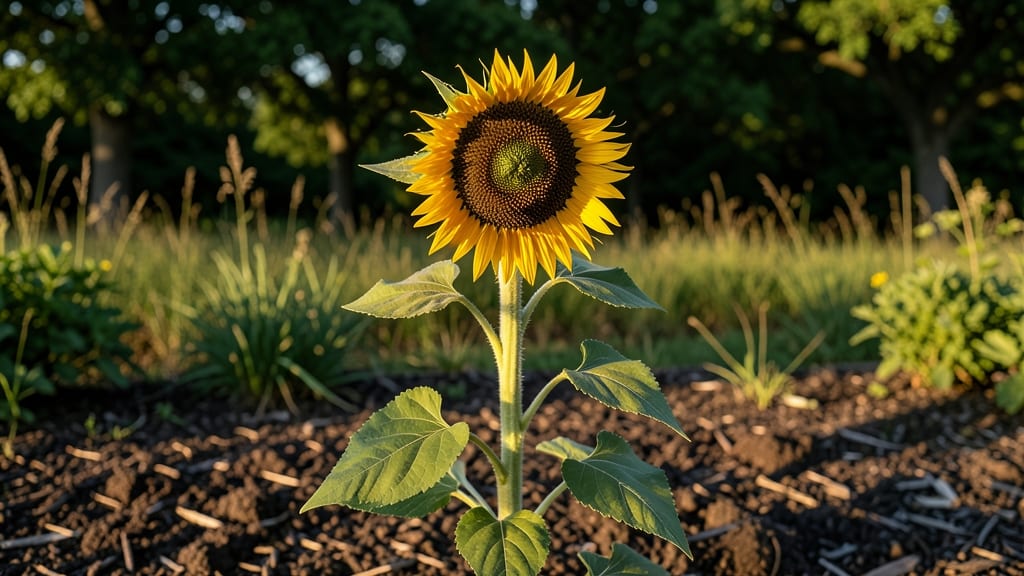
Growing black seed sunflowers feels like cheating the odds—these tough plants thrive where others fail. 🌻 Their deep roots break through compacted soil, and they handle cold snaps that would kill most annuals.
I planted mine in a spot with rocky subsoil last spring, and they still hit 7 feet tall with minimal fuss.
Start seeds directly in the ground after your last frost, about 1 inch deep and 6 inches apart. They need full sun but tolerate poor soil better than fancy hybrids—just add a handful of compost if your dirt is truly barren.
Water deeply once a week unless it rains, and watch them shoot up in just 2 weeks.
By midsummer, you'll have towering stems with dark, velvety petals that attract bees and birds. The real magic? Those 1-inch black seeds—roast them like nuts or press them for oil.
Even if you forget to water occasionally, these sunflowers keep growing, proving that sometimes the hardiest plants are the most rewarding.
Perfect for neglected corners of the yard, wildlife-friendly gardens, or even container growing (use a 5-gallon pot). The only downside? You might need to stake them if winds pick up—though I've seen them lean dramatically and still produce seeds. Here's how to keep them standing tall.
📚 In This Guide
- What you need
- Instructions
- Tips and common mistakes
- Wrapping up and next steps
What you need
- ● Black seed sunflower seeds – Choose a cold-hardy variety like Helianthus annuus (e.g., 'Moulin Rouge' or 'Black Oil'). Buy 50–100 seeds (or more if planting densely).
- ● Well-draining soil – Sunflowers tolerate poor soil but thrive in loamy or sandy soil with a pH of 6.0–7.5. Amend clay soil with compost if needed.
- ● Sunlight access – A full-sun location (6+ hours of direct sunlight daily) is ideal.
- ● Watering can or hose – For consistent moisture (avoid waterlogging).
- ○ Fertilizer (optional but helpful) – A balanced 10-10-10 or low-nitrogen fertilizer (follow package instructions).
- ● Garden trowel or hand shovel – For planting seeds at 1–2 inches deep.
- ● Measuring tape or ruler – To space seeds 12–24 inches apart (closer for dense planting).
- ○ Mulch (optional) – Straw or wood chips to retain moisture and suppress weeds.
- ● Gloves (recommended) – To protect hands while handling soil or thorny stems.
- ● Cold frame or row covers (for early planting) – Extends the growing season in USDA Zones 3–5.
- ● 💡 Test soil moisture before watering—sunflowers hate soggy roots!
- ● 🌡️ Start seeds indoors 4–6 weeks before the last frost for earlier blooms.
- ● ✨ Save seeds from mature heads for next year’s garden!
Step-by-step guide to growing cold-hardy black seed sunflowers
Here's how to grow sunflowers that handle frost and poor soil—no fancy garden needed.
🌱 Step 1: Choose the Right Seeds and Timing
Black seed sunflowers are tough, but timing matters. Plant seeds 2-3 weeks before your last frost date for early blooms, or wait until soil reaches 50°F if you prefer. I like to start mine in late April in most climates—this gives them time to mature before fall frost. Choose heirloom varieties like 'Moulin Rouge' or 'Black Oil' for their cold tolerance and striking dark blooms.
Direct-sow seeds ½ inch deep in well-drained soil. Crowding them too close leads to weak stems and fewer flowers. Space seeds 6 inches apart in rows 18 inches apart for full sun exposure. If your soil is rocky or sandy, mix in a handful of compost per planting hole—it helps roots establish faster.
☀️ Step 2: Provide Full Sun and Water Wisely
Sunflowers crave 6-8 hours of direct sunlight daily, but they're surprisingly drought-tolerant once established. Water deeply once a week after germination, aiming for 1 inch of water per week. Let the soil dry slightly between waterings—soggy soil invites rot, especially in heavy clay.
I water at the base in the morning to reduce evaporation. Watch for wilting leaves in extreme heat—this is your cue to water again. Mulch around plants with 2-3 inches of straw or grass clippings to retain moisture and keep roots cool. Avoid overhead watering, which can spread fungal diseases like powdery mildew.
🌿 Step 3: Support Tall Varieties and Encourage Growth
Black seed sunflowers can grow 5-6 feet tall, so stake them early if winds are strong. I use 3-foot bamboo stakes tied loosely with soft twine at the base. Avoid tight ties—the stems thicken as they grow, and constriction can girdle them.
Pinch off side buds when plants are 12-18 inches tall to direct energy into one main stem and larger blooms. This step isn't mandatory, but it ensures bigger, showier flowers. Fertilize lightly with 5-10-10 fertilizer at planting and again when plants reach 2 feet tall—too much nitrogen makes them grow leaves instead of blooms.
⏰ Step 4: Harvest Seeds for Next Year's Plants
Leave some heads on the stems until they turn brown and dry completely. I wait until late fall when the back of the head feels papery. Cut the heads off and hang them upside down in a dry, well-ventilated spot. Shake the heads gently every few days to release seeds.
Store seeds in a cool, dark place in an airtight container. They’ll stay viable for 2-3 years. Black oil sunflower seeds are rich in nutrients and perfect for replanting. If birds are a problem, cover heads with netting once they start drying.
Tips & tricks for growing cold-hardy sunflowers
Here's what I've learned from growing these tough beauties in less-than-ideal conditions.
Timing is Everything: The 2-3 weeks before your last frost date is the sweet spot for planting black seed sunflowers. I've found that starting in late April works well in most climates, but always check your local frost dates—these sunflowers can handle light frost but not prolonged cold snaps. If you're in a warmer zone, wait until soil reaches 50°F to prevent seed rot.
Soil Prep Makes All the Difference: Don't have rich garden soil? No problem. Black seed sunflowers thrive in poor soil, but they appreciate a little help. Mixing in a handful of compost per planting hole gives roots a better start, especially in rocky or sandy soil. I've had success even in clay-heavy soil as long as it's well-drained—just avoid waterlogged spots where roots can rot.
Sunlight Strategy: Those 6-8 hours of direct sunlight are non-negotiable, but here's the trick: if you're planting near trees or buildings that cast afternoon shade, position your sunflowers to catch morning sun. The intense afternoon rays can actually scorch young leaves, so morning light gives them a gentler start. Rotate plants occasionally to ensure even growth if shade shifts throughout the day.
Harvesting Hack: When it's time to harvest seeds in late fall, here's my foolproof method: Cut the heads when they feel papery on the back, then hang them upside down in a paper bag. The bag catches any stray seeds that might fall, and the paper allows for airflow while keeping out pests. I shake the heads gently every few days—this releases seeds faster and prevents mold from excess moisture.
Pro Tips for Black Seed Sunflowers
- Here's what I've learned from growing these tough beauties in less-than-ideal conditions.
- Timing is Everything: The 2-3 weeks before your last frost date is the sweet spot for planting black seed sunflowers.
- Soil Prep Makes All the Difference: Don't have rich garden soil?
Frequently asked questions
Got questions about growing black seed sunflowers?
Here are answers to the most common ones—from soil prep to troubleshooting—so you can grow these cold-hardy beauties with confidence!
Can black seed sunflowers grow in poor soil?
Black seed sunflowers (like Helianthus annuus) are famously resilient and thrive in marginal or rocky soil where other plants struggle. Their deep taproots break up compacted earth, improving soil over time. Just ensure the area has full sun (6+ hours/day) and decent drainage—no fancy amendments needed!
How long does it take for black seed sunflowers to grow?
From seed to full bloom, expect 60–90 days under ideal conditions (warm soil, consistent moisture). Seedlings emerge in 7–14 days, and stems can grow 1–3 inches per day in peak season. For cold climates, start seeds indoors 4–6 weeks before last frost or direct-sow after soil warms to 50°F+.
Are black seed sunflowers cold-hardy?
Yes! These sunflowers tolerate light frosts (down to 20–25°F) and are often planted as early spring or fall crops. Young plants may wilt in hard freezes but bounce back. For extra protection, mulch with straw or cover with row fabric if temperatures dip below 15°F.
What can I plant with black seed sunflowers?
Black seed sunflowers are great companions for:
- Legumes (beans, peas)—fix nitrogen in the soil.
- Corn—sunflowers deter pests like corn earworms.
- Herbs (basil, dill)—repel aphids naturally.
Why aren’t my black seed sunflowers growing tall?
Stunted growth usually stems from:
- Poor drainage—sunflowers hate soggy roots. Amend clay soil with compost or sand.
- Nutrient deficiency—add a balanced fertilizer (10-10-10) at planting and mid-season.
- Overcrowding—thin seedlings to 12–18 inches apart for strong stems.
- Pests (cutworms, aphids)—handpick pests or spray with neem oil.
Wrapping up and next steps
Black seed sunflowers are a resilient, low-maintenance choice for gardeners—whether you're tackling rocky soil, chilly climates, or just want a dramatic, pollinator-friendly addition to your yard. Their hardiness and striking beauty make them a win for both beginners and seasoned growers. 🌱
Ready to plant your patch? Start by selecting seeds from a trusted supplier, prepping your soil (even if it’s less-than-ideal), and giving these sunflowers the space to shine. Watch them grow, and soon you’ll have a thriving garden that’s as tough as it is stunning!