
Lawn
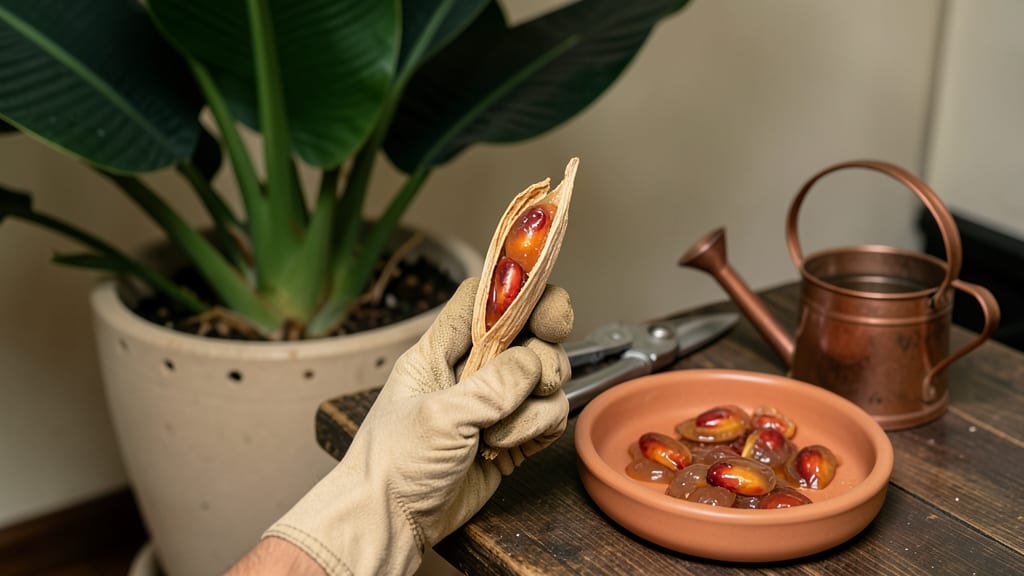
Bird of paradise seed pods hold the secret to growing these stunning tropical plants from scratch—if you know the cold-stratification trick. 🌱 I’ve struggled with germination before, but this method reliably produces seedlings in just 60 days, even in cooler climates.
The key lies in mimicking the natural winter dormancy period that breaks seeds open for growth. Harvesting the pods is half the battle—wait until they turn brown and papery before collecting. Inside, you’ll find flat, dark seeds that need moisture and cold to wake up.
Simply place them in a sealed bag with damp peat moss, then refrigerate for 4-6 weeks. This mimics winter’s chill, tricking seeds into thinking spring has arrived. Once stratified, move the seeds to a warm, bright spot where temperatures stay above 65°F.
Keep the soil lightly moist (not soggy) and expect sprouts in 2-4 weeks. The seedlings grow slowly at first but reward patience with bold, tropical foliage that’ll make your garden stand out.
If seeds are scarce, don’t worry—you can also propagate from division or cuttings, though it takes longer. Either way, you’ll end up with a plant that thrives in zones 9-11 (or indoors as a houseplant). Here’s how to make it work!
📚 In This Guide
- What you need
- Instructions
- Tips and common mistakes
- Wrapping up and next steps
What you need
- ● Bird of Paradise seed pod: 1-2 fresh, fully mature pods (harvested in late fall/winter for best results).
- ● Seed: 3-5 plump, firm seeds extracted from the pod (discard shriveled or damaged seeds).
- ● Cold-stratification medium: Option 1: 1 cup peat moss or coco coir (sterilized, moistened to 50% moisture).
- ● Option 2: 1 small paper towel or damp paper (folded to hold seeds).
- ● Sealed container: 1 ziplock bag (quart-sized) or small plastic container with an airtight seal.
- ● Label & marker: 1 permanent marker and small label (to track stratification start date).
- ● Refrigerator space: Access to a fridge set to 34–40°F (1–4°C) for 60 days.
- ● Sterilization: 1 spray bottle with 3% hydrogen peroxide (to disinfect seeds/pod if needed).
- ● Seed extraction: 1 sharp knife or seed pod opener (for stubborn pods).
- ○ Moisture check: 1 digital moisture meter (optional, for precise peat/coco coir moisture levels).
- ● Growth tracking: 1 notebook or phone app (to log stratification progress).
- ● Germination setup: 1 6-inch pot with well-draining soil mix (50% peat, 50% perlite).
- ○ 1 heat mat (optional, for post-stratification warmth).
How to cold-stratify bird of paradise seed pods for successful germination
Here's the straightforward method I've used to break dormancy and get these tropical seeds sprouting reliably.
🌱 Step 1: Extract and Prepare the Seeds
Open the dried seed pod carefully with a small knife—these pods are tough but brittle. You'll find 4-6 large, glossy seeds inside, each about 1.5 inches long. Remove any fibrous material and discard the empty pod husks. I like to soak the seeds in lukewarm water for 24 hours first to soften the outer shell slightly—this helps water penetrate during stratification.
After soaking, gently rub each seed between your fingers to remove the outer coating without damaging the inner seed. You'll see a slightly rough, brown surface underneath. Place the cleaned seeds on a paper towel to dry completely before moving to the next step. This prevents mold during cold treatment.
💧 Step 2: Moisten and Stratify in a Cold Environment
Fill a quart-sized resealable plastic bag with 1 cup of dampened peat moss or coconut coir—just enough moisture so it feels like a wrung-out sponge. Add the prepared seeds, spacing them about 1 inch apart to prevent touching. Seal the bag, leaving it slightly open (about 1/4 inch gap) to allow airflow while maintaining humidity.
Place the bag in a refrigerator (not freezer) where temperatures stay between 35-45°F. This mimics winter conditions in their native habitat. Check the seeds every 7 days—they should remain moist but not soggy. If the peat dries out, mist it lightly and reseal. This cold treatment typically takes 60 days, but some seeds may break dormancy sooner.
☀️ Step 3: Transition to Warm Germination Conditions
After 60 days in cold storage, remove the seeds and inspect for signs of germination. Look for a tiny white root tip emerging from one end—this is your cue to move them to warmth. Place the seeds in a seed-starting mix (not garden soil) in small pots, planting them 1 inch deep with the pointed end facing downward.
Keep the soil consistently moist but not waterlogged. Place the pots in a warm location (70-75°F) with bright, indirect light. You should see sprouts within 2-4 weeks. If germination takes longer, don't worry—these seeds are patient. The key is maintaining steady moisture and warmth during this phase.
🌿 Step 4: Provide Light and Care for Seedlings
Once seedlings emerge, move them to a south-facing window or under grow lights for 12-14 hours daily. Bird of paradise seedlings need strong light to prevent leggy growth. You'll know they're getting enough light when the leaves are dark green and compact, not pale and stretched.
Water gently at the base when the top inch of soil feels dry. These tropical plants dislike soggy roots but also can't tolerate dry spells. After 4-6 weeks, when seedlings have 2-3 sets of true leaves, you can transplant them to individual 4-inch pots with well-draining potting mix. This gives their roots room to establish before their first winter.
⏰ Step 5: Prepare for Outdoor Planting (Zone 10+ Only)
Bird of paradise seedlings are not frost-tolerant, so only move them outdoors after your area's last frost date and when nighttime temperatures stay above 50°F. Choose a location with full sun and well-draining soil. Harden off seedlings by gradually exposing them to outdoor conditions over 10-14 days before transplanting.
Dig a hole twice as wide as the root ball but only as deep as the pot. This encourages root spread rather than settling too deep. Water thoroughly after planting and apply 2 inches of mulch around the base to retain moisture. With patience, your seedlings will mature into striking tropical plants within 3-5 years.
Tips & tricks for perfect bird of paradise seed germination
These simple strategies will help you break dormancy and maximize your chances of success with these tropical seeds.
Seed Prep Matters: That 24-hour soak in lukewarm water is more important than you might think. The water should feel warm but not hot to the touch—think bathwater temperature. This step softens the tough outer shell just enough to allow moisture penetration during the cold stratification phase. I've found that using a glass jar with a loose lid works best for soaking, as it prevents evaporation while still allowing airflow. After soaking, pat the seeds completely dry before moving forward—any moisture left on the seeds can lead to mold during cold treatment.
Cold Stratification Secrets: The 60-day cold treatment at 35-45°F is non-negotiable for these seeds, but there are ways to optimize it. First, use a quart-sized bag with that 1/4-inch gap—this creates the perfect microclimate. I like to place the bag on a wire rack inside the crisper drawer of my fridge, which maintains more consistent humidity than the main fridge compartment. During your weekly checks, gently squeeze the peat moss—it should feel like a wrung-out sponge. If it's too dry, mist with a spray bottle until just damp, but never soggy. This balance is key to preventing both drying out and mold growth.
Germination Cues: When you're checking for that white root tip after 60 days, look closely at the seed's pointed end—that's where germination will begin. I've seen some seeds start sprouting as early as 45 days, while others take the full 60 days. The root tip will appear as a tiny, translucent nub about 1/8-inch long. Once you see this, move the seed to warmth immediately. The transition from cold to warm is critical—these seeds are sensitive to temperature shock, so don't rush the process. Let them acclimate to room temperature for about 30 minutes before planting in the warm germination mix.
Lighting Strategy: For those 12-14 hours of daily light, I recommend using a simple LED grow light on a timer rather than relying solely on a south-facing window. These tropical seedlings need consistent, bright light to prevent leggy growth. Position the light about 6 inches above the seedlings and adjust as they grow. You'll know they're getting enough light when the leaves are dark green and compact—not pale and stretched. If you notice the seedlings growing toward the light source, rotate the pots daily to encourage even growth.
Pro Tips for Bird Of Paradise Seed Pod
- These simple strategies will help you break dormancy and maximize your chances of success with these tropical seeds.
- Seed Prep Matters: That 24-hour soak in lukewarm water is more important than you might think.
- Cold Stratification Secrets: The 60-day cold treatment at 35-45°F is non-negotiable for these seeds, but there are ways to optimize it.
Frequently asked questions
How long does it take for Bird of Paradise seeds to germinate after cold stratification?
With cold stratification (the method we recommend!), Bird of Paradise seeds typically sprout within 4–8 weeks. Most gardeners see the first signs of life around 60 days, especially if using moist, well-draining medium and consistent warmth (70–75°F) afterward. Patience is key—these seeds are slow but worth the wait!
Do I need to refrigerate the seeds, or is outdoor winter exposure enough?
While outdoor winter exposure can work if temps drop naturally to 35–45°F for 6–8 weeks, refrigeration offers more control. Place seeds in a sealed bag with damp paper towels, then store in your fridge’s vegetable crisper (not the freezer!) for consistent moisture and cold. This mimics nature’s winter cycle perfectly.
What’s the best soil mix for germinating these seeds?
Use a light, airy mix of:
- 50% peat moss or coco coir (for moisture retention)
- 30% perlite or vermiculite (for drainage)
- 20% sand or pumice (to prevent rot)
My seeds are moldy after stratification—what went wrong?
Mold usually means too much moisture or poor airflow. To fix it:
- Remove moldy seeds immediately (they won’t germinate).
- Repot healthy seeds in fresh, dry mix and reduce watering.
- Use a fungicide spray (like neem oil) if mold persists.
- Next time, pat seeds dry before refrigerating and use a breathable container (like a mesh bag).
Can I grow Bird of Paradise from seed pods I find in my yard, or do I need to buy them?
Wild-harvested seed pods work, but choose mature, brown pods (green ones aren’t ready). Crack them open to release the gelatinous seeds, rinse off the pulp, and stratify as usual. Store-bought seeds are pre-cleaned, but wild seeds add a fun, free challenge—just be patient with germination rates (they may vary).
Wrapping up and next steps
Growing a bird of paradise seed pod through cold-stratification is a rewarding journey that unlocks vibrant, tropical beauty in your landscape! With patience and the right techniques, you can nurture these striking plants in just 60 days—proving that even tricky seeds can thrive with care. 🌱
Ready to turn your green thumb into a showstopper? Start by gathering your supplies, then dive into stratification with confidence. The next step? Plant those sprouted seeds in well-draining soil and watch your garden transform into a paradise! 🌿✨