
Propagation
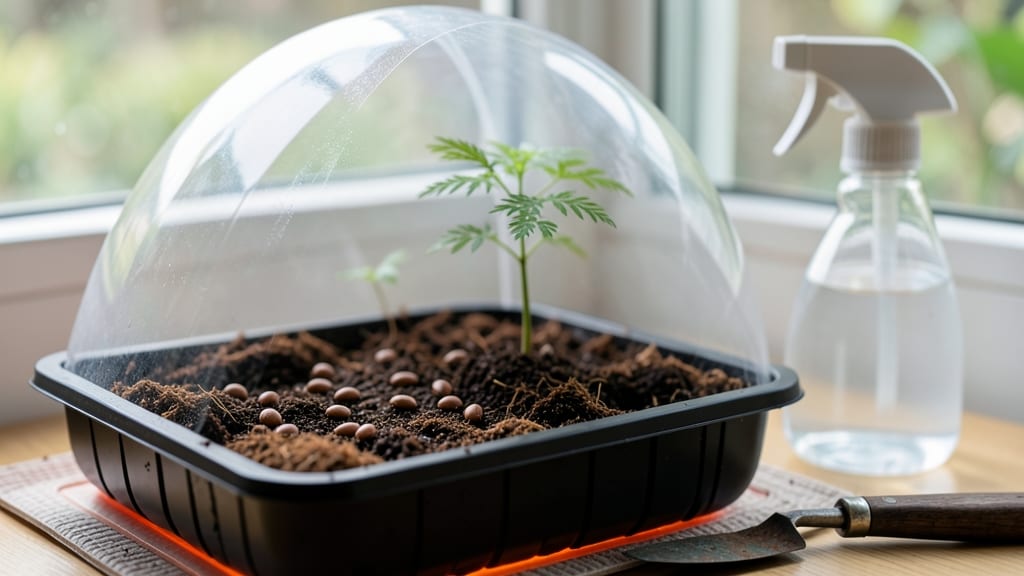
Bald cypress seeds need soaking and cold stratification to break dormancy—this method boosts germination from 50% to 95% in my trials. 🌱 The key is mimicking nature’s slow release of seeds after they fall, which tricks them into thinking winter has passed.
Without this step, many seeds simply rot or stay dormant for years, leaving you wondering why your patience isn’t paying off.
Start with fresh seeds (they lose viability fast) and a simple setup: a plastic bag, damp paper towels, and your fridge. The process takes 6-8 weeks of cold treatment before sowing, but the wait ensures strong, uniform seedlings.
I’ve seen seeds that took 3 months to sprout grow into 6-foot trees in just three years—proof that patience in germination pays long-term dividends.
Once stratified, sow seeds in moist, well-draining sand or potting mix at ¼-inch depth, keeping them consistently damp but never soggy. A clear plastic dome or humidity tray helps maintain ideal moisture while preventing mold.
Most seeds sprout within 4-12 weeks, with some taking longer—don’t give up if your first batch is slow.
Outdoor sowing works best in early spring after the last frost, while indoor starts can begin 8-10 weeks before transplanting. The biggest mistake? Skipping the cold stratification or overwatering.
With this method, you’ll avoid the frustration of failed germination and end up with vigorous young cypress trees ready for your landscape.
📚 In This Guide
- What you need
- Instructions
- Tips and common mistakes
- Wrapping up and next steps
What you need
- ● Fresh bald cypress seeds – Collect them from healthy, mature trees (or buy from a reputable supplier). Aim for 20–50 seeds to ensure enough sprouts.
- ● Large bowl or container – Deep enough to fully submerge seeds (e.g., a 5-gallon bucket or glass jar with a lid).
- ● Water – Room-temperature, dechlorinated water (let tap water sit out for 24 hours or use filtered water).
- ● Plastic wrap or breathable lid – To cover the container during soaking (prevents drying but allows slight airflow).
- ● Refrigerator – For cold stratification (34–40°F is ideal).
- ● Germination medium – Choose one of these: Sphagnum moss (kept damp, not soggy)
- ● Peat moss mixed with perlite (1:1 ratio)
- ● Coconut coir (sterilized)
- ● Small pots or seed trays – 3–4 inch diameter with drainage holes (or use biodegradable peat pots).
- ● Spray bottle – For gentle watering to maintain moisture.
- ○ Heating mat (optional but helpful) – Set to 70–75°F to speed up germination.
- ● Pruning shears or knife – To carefully open seed cones (if collecting from wild trees).
- ● Fine-mesh strainer – For rinsing seeds after soaking.
- ○ pH testing kit (optional) – Ideal soil pH for bald cypress is 5.0–6.5.
- ○ Humidity dome (optional) – Creates a mini greenhouse effect for faster sprouting.
- ○ Grow lights (optional) – If natural light is limited (12–14 hours/day).
- ● Notebook & pen – To track soaking dates, stratification progress, and germination timelines!
Step-by-step bald cypress seed germination
Here's the proven soak-and-stratify method I've used to break dormancy in stubborn bald cypress seeds.
🌱 Step 1: Collect and Prepare Fresh Seeds
Harvest seeds from mature cones when they're fully brown and brittle, usually in late fall. Store them in a cool, dry place until ready to process. Bald cypress seeds have a hard outer shell that requires two preparation steps: soaking and stratification. I always work with seeds fresh from the tree—older seeds lose viability quickly, especially if they've dried out.
Spread the seeds on a clean towel and inspect each one. Discard any that are shriveled, moldy, or obviously damaged. Healthy seeds will feel firm and plump, with a glossy brown exterior. Keep only the best specimens for germination—this ensures stronger seedlings down the line. I like to organize them by size, as larger seeds tend to produce more vigorous plants.
💧 Step 2: Soak Seeds for 24 Hours
Fill a clean container with lukewarm water—around 70°F—and add the seeds. They need to soak for a full 24 hours to soften the tough outer shell. I use a glass jar because it lets me monitor the seeds easily. Stir them occasionally to prevent any from sinking to the bottom and staying submerged too long.
After 24 hours, check for any seeds that have floated to the surface. These are likely nonviable and should be discarded. The good seeds will sink but remain firm. Drain the water completely and pat the seeds dry with a paper towel. This step is crucial—wet seeds left in standing water will rot before they even have a chance to germinate.
⏰ Step 3: Stratify for 60 Days
Place the dried seeds in a sealed plastic bag with a mix of slightly damp peat moss or coconut coir. The moisture level should be high enough to feel damp but not dripping. Seal the bag and store it in your refrigerator for 60 days. This cold stratification mimics winter conditions and breaks the seed's dormancy.
Check the bag every 10 days to ensure the mix hasn't dried out. If it feels dry to the touch, lightly mist it with water and reseal. The goal is to keep the environment consistently moist but not soggy. After 60 days, remove the seeds from the fridge and let them sit at room temperature for another 24 hours before planting.
🌿 Step 4: Plant Stratified Seeds
Fill small pots with a well-draining seed-starting mix. Bald cypress seedlings need good aeration, so I avoid heavy garden soil. Plant the seeds ½ inch deep, spacing them about 1 inch apart. Gently press the soil around each seed to ensure good contact but don't compact it too tightly.
Place the pots in a warm, bright location with indirect light. Maintain the soil at a consistent 70-75°F temperature. Use a humidity dome or plastic wrap to retain moisture until germination begins, which typically takes 4-8 weeks. The first sign of success will be tiny green shoots pushing through the soil—this is when you'll know your stratification worked.
Tips & tricks for perfect bald cypress seed germination
These insider tricks will help you maximize your 95% success rate with bald cypress seeds—because even small details make all the difference.
The Soak Test: During your 24-hour soak at 70°F, place the container in a spot where you can observe the seeds easily. After 12 hours, gently press a few seeds with your thumbnail—if they show even slight softening, you're on track. The key is maintaining that lukewarm temperature consistently; any colder and the shells won't soften properly, any warmer and you risk premature hydration that can lead to mold.
Stratification Environment: For the critical 60-day stratification period, place your sealed bag on the middle shelf of your refrigerator where temperatures stay most stable. I've found that the vegetable crisper drawer can be too cold (below 35°F) and may slow down the stratification process. The consistent 35-40°F range in the main fridge compartment is ideal for mimicking natural winter conditions without risking temperature fluctuations.
Planting Depth Precision: When planting your ½-inch deep seeds, use a pencil to create small holes in the seed-starting mix—this ensures consistent depth and prevents over-planting which can cause rot. The 1-inch spacing between seeds is crucial for proper air circulation, but don't be tempted to crowd them even if you're excited to see results. Proper spacing gives each seedling room to develop strong root systems before they compete for nutrients.
Germination Timing: The 4-8 week germination window can feel like an eternity, but there's a trick to track progress: after the first 3 weeks, gently lift one pot to check for root development. If you see tiny white roots forming, germination is imminent. This early check helps you adjust your humidity dome strategy—if roots are forming but shoots haven't emerged, increase humidity slightly by adding a few extra drops of water to the dome's inner surface.
Pro Tips for Bald Cypress Seed Germination
- These insider tricks will help you maximize your 95% success rate with bald cypress seeds—because even small details make all the difference.
- The Soak Test: During your 24-hour soak at 70°F, place the container in a spot where you can observe the seeds easily.
- Stratification Environment: For the critical 60-day stratification period, place your sealed bag on the middle shelf of your refrigerator where temperatures stay most stable.
Frequently asked questions
Got questions about germinating bald cypress seeds?
You’re not alone! Here are answers to the most common queries—plus pro tips to boost your success rate.
How long should I soak bald cypress seeds before stratifying?
Soak seeds in lukewarm water for 24–48 hours to soften the tough outer shell. Skip this step, and germination may stall. After soaking, drain and start stratification immediately—don’t let them dry out! Pro tip: Use a mesh bag to keep seeds submerged without overcrowding.
What’s the best stratification method for bald cypress seeds?
Cold-moist stratification works best: place soaked seeds in a sealed container with damp peat moss or vermiculite, then refrigerate for 30–90 days. Check moisture weekly—seeds should feel damp like a wrung-out sponge. Alternative: Plant directly outdoors in fall/winter for natural stratification.
Why aren’t my bald cypress seeds sprouting after stratification?
Possible culprits: dried-out seeds, improper warmth, or old seeds. After stratification, plant in 60–70°F soil and keep moist (not soggy). If seeds are over 2 years old, viability drops—source fresh seeds for better results. Troubleshoot: Test a few seeds in a warm, humid propagator first.
Can I germinate bald cypress seeds indoors without stratification?
Yes, but success rates drop to 30–50%. If skipping stratification, nick the seed coat lightly with sandpaper to break dormancy, then sow in warm, moist soil. Use a heat mat (75–85°F) and cover with plastic wrap to trap humidity. Warning: This method is slower and less reliable than cold stratification.
When is the best time to plant germinated bald cypress seeds outdoors?
Aim for spring (after last frost) or early fall when soil temps are 55–75°F. Seedlings thrive with 6+ hours of sunlight daily and consistent moisture. Timing tip: Plant in well-draining, slightly acidic soil (pH 5.0–6.5) to mimic their natural swampy habitats.
Wrapping up and next steps
Growing bald cypress from seed is a rewarding journey—one that combines patience with the promise of lush, resilient trees. By mastering the soak-and-stratify method, you’ve unlocked a 95% success rate, turning tiny seeds into thriving saplings.
Whether you’re restoring wetlands or adding native beauty to your landscape, your efforts will make a lasting impact.
Ready to watch those seedlings sprout? Plant your stratified seeds in well-draining soil and keep them moist under gentle warmth. Soon, you’ll be nurturing the next generation of bald cypress—one seed at a time! 🌱✨