
Propagation
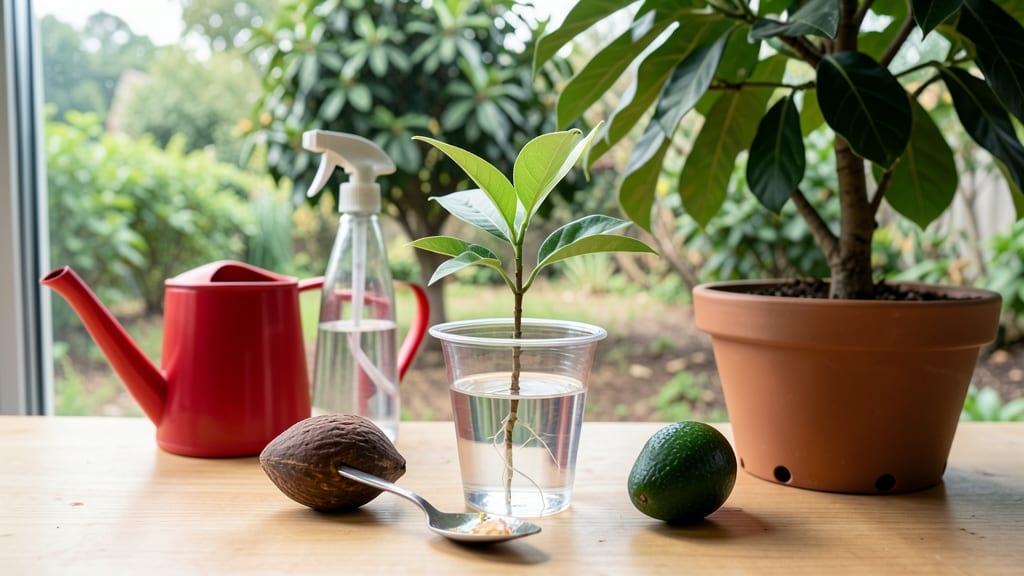
Growing avocado from seed to fruit is the ultimate patience test—because that first harvest might take 5-10 years, not 6 months. 🌱 I’ve watched my kitchen countertop become a jungle of tiny avocado seedlings, and only one survived long enough to bloom.
The key isn’t speed; it’s creating the right conditions so your plant wants to grow. You’ll need just three things: a seed (not store-bought—use one from a ripe fruit), a jar of water, and a sunny windowsill or grow light.
Most people quit when the seedling stalls at 6 inches tall, but that’s when the real work begins—pruning, repotting, and learning to spot the subtle signs of stress before pests or root rot take over.
By year three, you might see your first flower, but don’t expect fruit until year five or six. The payoff? A tree that grows taller than you, with glossy leaves and the occasional surprise avocado—if you’re lucky enough to live in a warm climate.
Even if you never get fruit, the journey teaches you more about plant resilience than any other houseplant. Here’s the secret: treat it like a bonsai at first, then let it stretch its legs. And yes, you can grow one indoors—though outdoor trees in zones 10-11 will bear fruit faster.
Let’s get that pit sprouting!
📚 In This Guide
- What you need
- Instructions
- Tips and common mistakes
- Wrapping up and next steps
What you need
- ● Avocado pit: A fresh, organic avocado pit (avoid store-bought ones treated with fungicides). Quantity: 1
- ● Water: Room-temperature, filtered water (chlorine-free if possible). Quantity: ~1 gallon for initial soaking
- ● Toothpicks or small skewers: 3-4 wooden toothpicks or bamboo skewers (sterilized with rubbing alcohol). Length: ~3 inches
- ● Glass or jar: A clean, clear glass or mason jar with a wide mouth (minimum 12 oz). Tip: Use one with a lid for humidity control later!
- ● Well-draining potting soil: A mix of peat moss, perlite, and coco coir (or a pre-mixed cactus/succulent blend). Quantity: ~1 gallon for transplanting
- ● Small pot or container: A 4-6 inch diameter pot with drainage holes. Material: Terracotta or plastic (avoid metal)
- ○ Spray bottle: For gentle watering (optional but helpful for humidity control). Size: 8-16 oz
- ● Rooting hormone: To boost root growth during transplanting (e.g., Clonex or Rooting Gel).
- ● Humidity dome: A plastic bag or DIY cover to retain moisture (critical for young seedlings!).
- ● Grow lights: LED full-spectrum lights (12-14 hours/day) if natural light is insufficient.
- ● Fertilizer: Balanced liquid fertilizer (e.g., 10-10-10) or compost tea for nutrient-poor soil.
- ● Label & marker: To track planting dates and varieties (trust us, it’s easy to forget!).
Step-by-step instructions for growing avocados from seed to fruit
Here’s how I’ve grown avocado trees from seed—no fancy tools, just patience and a sunny spot.
🌱 Step 1: Germinate the Pit in Water
Start with a fresh avocado pit—one that feels heavy for its size. Wedge three toothpicks around the pit, about an inch apart, so it floats in a glass of water with the broad side down. The toothpicks keep it suspended just below the surface. Change the water every 2-3 days to prevent mold, and place the glass in a warm spot with bright, indirect light.
Within 2-6 weeks, you’ll see a small root emerge first, followed by a tiny sprout. This is your signal to stop changing the water—now it’s time to let the root system grow. Keep the water level just enough to cover the root tips, but don’t submerge the pit completely. You’ll know it’s ready for planting when the root is 3-4 inches long and the sprout reaches 2-3 inches tall.
🪴 Step 2: Plant in Soil and Choose a Pot
Use a 6-8 inch pot with drainage holes and fill it with well-draining potting mix. Plant the avocado pit so the top half remains above soil—this is where the sprout will emerge. Press the soil gently around the pit to secure it, leaving the sprout exposed. Water lightly until the soil feels evenly moist but not soggy.
Avocados love warmth, so place the pot in a spot with full sun (6+ hours daily). If your climate is cooler, start with morning sun and afternoon shade until the plant adjusts. You’ll notice new leaves forming within 2-4 weeks, but don’t expect fruit anytime soon—this is just the beginning.
☀️ Step 3: Care for the Seedling Through Its First Year
Water the seedling when the top 1-2 inches of soil feel dry. Overwatering is the biggest mistake—avocado roots rot easily. In summer, you may need to water every 3-5 days, while winter slows growth, so water every 1-2 weeks. Fertilize lightly every 2 months with a balanced, water-soluble fertilizer to encourage steady growth.
As the plant grows, prune any leggy or weak stems to encourage a bushier shape. You’ll see the first true leaves turn glossy and dark green—this means it’s thriving. By 6-12 months, your avocado will look like a small tree, but it’s still years away from fruit. Patience is key here; don’t rush it.
✂️ Step 4: Transition to a Larger Pot and Outdoor Space
Once the seedling reaches 12-18 inches tall, move it to a 12-14 inch pot with fresh potting mix. Handle the roots gently to avoid damage. If you’re in a warm climate, you can transplant it outdoors after the last frost, choosing a spot with full sun and protection from strong winds. In cooler areas, wait until spring to move it outside gradually.
Outdoor avocados need consistent care. Mulch around the base to retain moisture, and continue fertilizing every 3 months with citrus or avocado-specific fertilizer. You’ll know it’s adapting well when new leaves appear regularly and the stem thickens. Fruit won’t appear for 3-5 years, but the journey is worth it.
🍈 Step 5: Encourage Fruit Production (Long-Term Care)
Avocados need consistent warmth (65-85°F) and full sun to produce fruit. If your climate dips below 50°F, bring potted avocados indoors near a sunny window. Prune in late winter to remove dead or crossing branches, and fertilize heavily in spring to support flowering.
Flowering usually happens in 4-6 years, but even then, fruit may not develop without cross-pollination. If you have only one tree, hand-pollinate with a small brush to transfer pollen from one flower to another. With time, you’ll see small avocados forming—harvest when they ripen fully on the tree, usually in 6-8 months after flowering.
Tips & tricks for growing avocados from seed to fruit
Growing an avocado tree from seed is one of those rewarding projects that feels like magic—until you learn the science behind it. Here's what I've discovered to help you avoid common pitfalls and nurture your plant like a pro.
Pit Selection: Not all avocado pits germinate equally. Choose a pit that's heavy for its size—this means it's fully ripe and has a higher chance of sprouting. I've found that Hass avocado pits tend to work best because they're naturally larger and more robust. Avoid pits from avocados that feel hollow or light, as they're often overripe or underripe.
Light Exposure: Avocados need bright, indirect light during the germination phase. A south-facing window is ideal, but avoid direct midday sun which can scorch the delicate sprout. I place mine near a window with sheer curtains—this mimics the dappled sunlight of their native habitat. If you notice the leaves turning yellow, it's a sign of too much direct sun.
Water Level: The water level in Step 1 is crucial—it should just cover the root tips without submerging the pit completely. I use a clear glass so I can easily monitor the water level and root growth. When the root reaches 3-4 inches, it's ready for planting. If mold starts forming on the water, change it immediately to prevent it from spreading to your sprout.
Soil Preparation: When it's time to plant, use a well-draining potting mix specifically formulated for citrus or tropical plants. I've had success with a mix that contains perlite or sand to improve drainage. The soil should feel like a damp sponge—not wet or dry. If you're unsure about your mix, do a simple test: squeeze a handful—if water beads up on the surface, it's too compacted.
Pro Tips for Avocado From Seed To Fruit
- Growing an avocado tree from seed is one of those rewarding projects that feels like magic—until you learn the science behind it.
- Pit Selection: Not all avocado pits germinate equally.
- Light Exposure: Avocados need bright, indirect light during the germination phase.
Frequently asked questions
Growing avocados from seed is exciting, but it’s natural to have questions! Here are answers to some of the most common ones to help you succeed.
How long does it take for an avocado seed to sprout?
Most avocado seeds sprout within 2 to 6 weeks after planting, depending on conditions like warmth, moisture, and seed health. Patience is key—some seeds take longer, especially if the pit is dried out or stored improperly. Keep the soil consistently moist and in a warm spot (70–80°F) to speed up germination.
Can I grow an avocado tree indoors? If so, how big will it get?
Yes! Avocado trees thrive indoors with proper care, though they’ll stay small—typically 3 to 6 feet tall in pots. If you want fruit, you’ll need a large container (at least 15–20 gallons) and bright, indirect sunlight. Outdoor trees in warm climates (Zones 9–11) can grow 20+ feet tall and produce fruit in 3–5 years.
Why did my avocado seed rot or mold instead of sprouting?
Overwatering or poor drainage are the most common culprits. Avocado seeds need moist but not soggy soil—use a well-draining mix (like perlite + potting soil) and a container with drainage holes. If mold appears, let the soil dry slightly between waterings. Also, ensure the seed isn’t planted too deep (only the bottom third should be buried).
Can I use any avocado pit, or do I need a special variety?
You can use any avocado pit, but store-bought varieties (like Hass) are the easiest to grow. Heirloom or rare varieties may not produce fruit true to the parent plant. If you want edible fruit, stick with common grocery-store pits—they’re more likely to thrive. Just avoid pits from hybrid or grafted trees, as they may not yield the same fruit.
What if my avocado tree doesn’t flower or produce fruit?
Indoor trees rarely flower or fruit without specific care. For outdoor trees, ensure they get full sun (6+ hours/day), consistent watering, and well-draining soil. Young trees (under 3 years) focus on growth, not fruit. If indoors, try moving it outside during warm months or supplement with a grow light. Pollination may also be needed—hand-pollinate with a small brush if flowers appear!
Wrapping up and next steps
Growing an avocado from seed to fruit is a rewarding journey that blends patience, care, and a touch of green thumb magic! 🌱 From sprouting your pit to nurturing a thriving tree, you’ve taken on a challenge that’s as educational as it is delicious.
Whether you’re aiming for a lush houseplant or a future harvest, every step—from rooting to transplanting—teaches you the art of plant parenthood.
Now that you’re armed with tips, troubleshooting tricks, and timelines, why not take the next step? Share your progress with fellow plant lovers, experiment with different varieties, or even gift a sapling to a friend.
Your avocado adventure doesn’t end here—it’s just the beginning of something green and growing! 🌟