
Propagation
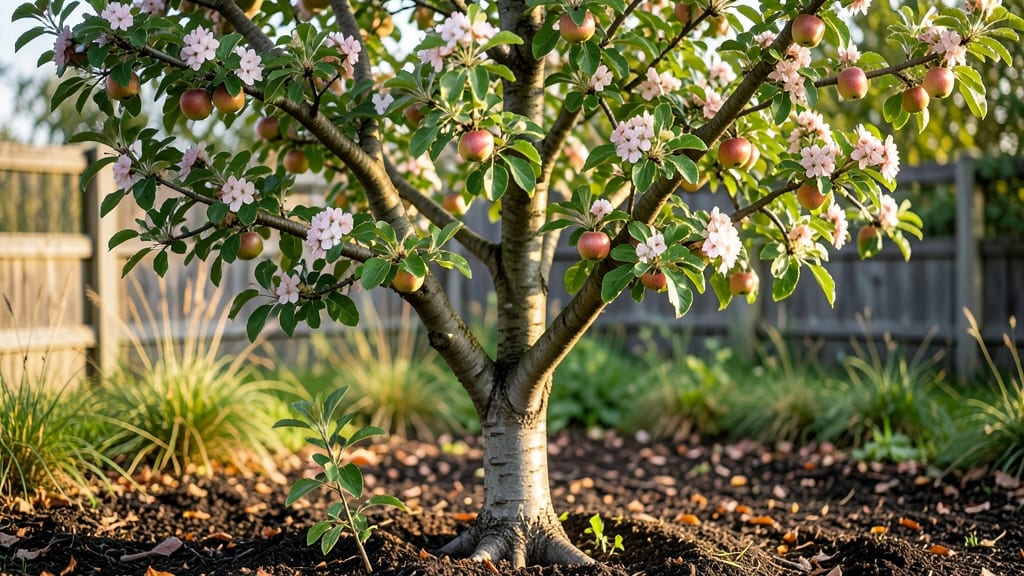
Growing an apple from seed to fruit means turning a single seed into a tree that could produce fruit in 5-8 years—and you'll never buy store apples again. 🌱 The journey starts with patience, a sunny spot, and the right soil mix, but the payoff is a tree that's uniquely yours, with fruit that tastes like childhood orchards.
I've grown apple trees from seed three times, and each time, the first true leaves emerging from the soil feel like magic. You'll start with a tiny seedling that needs protection from pests and frost, then nurture it through its awkward teenage years when it grows fast but looks lopsided.
The real reward comes when you see those first blossoms—each one a promise of fruit to come. By year five, with proper pruning and pollination, you could be harvesting a handful of apples—maybe not store-quality, but sweet and full of character.
The tree itself becomes a living landmark, its branches stretching toward the sky with every passing season. This method works in any yard with full sun, though cold climates may need extra winter protection. Let's get those seeds sprouting!
📚 In This Guide
- What you need
- Instructions
- Tips and common mistakes
- Wrapping up and next steps
What you need
- ● Apple seeds: 3–5 fresh, organic seeds (from a non-hybrid apple variety for best results). Pro tip: Save seeds from heirloom apples for the most reliable outcomes! 🌱
- ○ Potting soil: 1–2 bags of high-quality, well-draining potting mix (sterilized to prevent pests). Optional: Add perlite or vermiculite for extra aeration.
- ● Containers: Small seed-starting pots (3–4 inches deep) for germination.
- ● Larger nursery pots (10–12 inches) for saplings (1–2 units).
- ● Grow lights or sunny windowsill: A full-spectrum LED grow light (12–16 hours/day) or a south-facing window with 6+ hours of sunlight.
- ● Watering can: With a fine rose nozzle for gentle hydration.
- ● Spray bottle: For misting seeds during germination.
- ● Fertilizer: Balanced liquid fertilizer (e.g., 10-10-10) for seedlings.
- ● Slow-release organic fertilizer (e.g., compost or worm castings) for mature trees.
- ● Pruning shears: Sharp, sterilized shears for shaping young trees.
- ● Mulch: Organic mulch (e.g., straw or shredded leaves) to retain moisture and suppress weeds.
- ● Seed stratification kit: If your climate is warm, use a fridge (35–40°F) for 4–6 weeks to mimic winter dormancy.
- ● pH test kit: To ensure soil pH is between 6.0–7.0 (apples thrive in slightly acidic soil!).
- ● Tree guards: Protective mesh or plastic to shield young trees from pests.
- ● Compost bin: For repurposing apple peels and other kitchen scraps into nutrient-rich soil.
- ● Journal/notebook: To track growth milestones, watering schedules, and pruning notes!
Step-by-step instructions for growing apples from seed to fruit
Here's how I turn a single apple seed into a thriving tree—with patience and zero waste.
🌱 Step 1: Extract and Stratify Seeds for Germination
Save seeds from organic apples (conventional seeds may not grow true). Cut the fruit in half, scoop out seeds, and rinse them clean. Apple seeds need cold stratification—place them in a damp paper towel inside a sealed plastic bag, then refrigerate for 6-8 weeks. This mimics winter and breaks seed dormancy.
Check weekly—if the towel dries, mist it lightly. You'll know stratification worked when tiny roots (1-2 inches long) emerge. This is your signal to plant! Real talk: Skipping stratification means waiting months (or never) for germination.
🪴 Step 2: Plant Stratified Seeds in Containers
Fill 4-inch pots with sterile potting mix (not garden soil) and plant seeds ½ inch deep, spacing them 1 inch apart. Use the 4 seeds per pot to increase your odds—only 50% of apple seeds germinate. Water gently until the soil feels damp 1 inch deep. Place pots in a warm, sunny window (60-70°F) or under a grow light.
Germination takes 2-4 weeks. You'll see first true leaves (not the initial seed leaves) as your cue to thin seedlings. Keep only the strongest, straightest stem per pot—crowding weakens roots. I always label pots with the apple variety and date to track growth.
☀️ Step 3: Transplant Seedlings After First True Leaves
Once seedlings have 3-4 true leaves (about 4-6 weeks after germination), transplant them into 5-gallon containers with fresh potting mix. Dig a hole twice as wide as the root ball but no deeper. Gently remove the seedling, loosen roots, and replant at the same depth it grew in the pot.
Water deeply until it drains from the bottom. Place seedlings in full sun (6+ hours daily) and protect from wind. Young apple trees need consistent moisture—water when the top 1 inch of soil feels dry. You'll see new growth within 2 weeks if conditions are right.
✂️ Step 4: Prune and Train for Strong Structure
When seedlings reach 12-18 inches tall, prune to encourage branching. Cut back the top ¼ inch of the main stem to promote side shoots. In spring, remove any weak, crossing, or inward-growing branches. Apple trees need open centers for airflow and fruit production.
Stake tall seedlings if needed, but avoid tying too tightly—roots need room to expand. By year 3, your tree should have a well-branched framework. Here's the thing—patience is key. It takes 5-7 years for a seed-grown apple tree to bear fruit, but proper pruning now ensures better harvests later.
🍎 Step 5: Fertilize and Pollinate for Fruit Development
Start fertilizing in spring with a balanced 10-10-10 formula. Apply ½ teaspoon per gallon of soil every 4-6 weeks until fall. Apple trees need two compatible varieties for pollination—plant a second tree within 50 feet if you want fruit. Bees do the work, but you can hand-pollinate with a paintbrush if needed.
Thin fruit when it's golf-ball sized—leave 6-8 inches between apples to prevent overcrowding. You'll know you're on track when the tree blooms in year 4 or 5. First fruits may be small or odd-shaped, but each year improves. I promise, the wait is worth it.
Tips & tricks for growing apples from seed to fruit
These simple strategies will help you turn a single apple seed into a thriving fruit-bearing tree with minimal fuss.
The Stratification Secret: Don't rush the 6-8 week cold treatment—this mimics winter conditions and breaks seed dormancy. I learned this the hard way after trying to plant seeds straight from the apple, only to wait months for germination. Place your sealed bag of seeds on a shelf in your fridge's crisper drawer where temperatures stay consistently cool. Check weekly and mist the towel if it dries out—consistent moisture is key for root development.
Lighting Matters: After planting your stratified seeds, position your 4-inch pots in the sunniest spot you have—south-facing windows or under grow lights work best. Apple seedlings need 60-70°F temperatures and 6+ hours of light daily to thrive. If you notice leggy growth (long stems with small leaves), your seedlings need more light. I use a simple LED grow light on a timer for 12 hours a day when natural light isn't enough.
Thinning with Purpose: When your seedlings develop their first true leaves (not the initial seed leaves), it's time to thin to the strongest stem. Here's what nobody tells you—use small scissors to snip at the base rather than pulling. This prevents disturbing the roots of your kept seedlings. Label each pot with the apple variety and planting date—you'll be amazed how different your trees look after just a few months of growth.
Pruning for Future Fruit: That ¼ inch trim when your seedlings reach 12-18 inches might seem small, but it's crucial for creating a strong branch structure. Think of it as teaching your tree to grow outward rather than upward. In spring, remove any branches growing inward or crossing others—this creates that open center that's essential for good airflow and fruit production. I always prune just above a bud or leaf node to encourage new growth in the right direction.
Pro Tips for Apple From Seed To Fruit
- These simple strategies will help you turn a single apple seed into a thriving fruit-bearing tree with minimal fuss.
- The Stratification Secret: Don't rush the 6-8 week cold treatment—this mimics winter conditions and breaks seed dormancy.
- Lighting Matters: After planting your stratified seeds, position your 4-inch pots in the sunniest spot you have—south-facing windows or under grow lights work best.
Frequently asked questions
Got questions about growing apples from seed to fruit? You’re not alone! Here are some of the most common queries—and their answers—to help you navigate this rewarding (but patient) journey.
How long does it take for an apple seed to grow into a fruit-bearing tree?
Patience is key! Apple seeds grown from store-bought fruit typically take 5–10 years to bear fruit—if they do at all. The variability comes from genetics: seeds from hybrid apples (like Gala or Fuji) often produce trees with different traits or no fruit. For faster results, graft a known variety onto your seedling later.
Can I grow an apple tree from seed in cold climates? What zones work best?
Apple trees thrive in USDA Zones 3–8, but cold climates require extra care. Choose hardy varieties like ‘McIntosh’ or ‘Granny Smith’ for zones 3–5. Plant in well-draining soil, mulch heavily in winter, and protect young trees from late frosts. Dwarf varieties (like ‘Columnar’ apples) are great for smaller spaces or urban gardens!
Why isn’t my seedling growing like I expected? Troubleshooting slow or stunted growth.
Common culprits include:
- Poor soil: Apples need rich, slightly acidic soil (pH 6.0–6.5). Amend with compost or peat moss if growth is sluggish.
- Lack of sunlight: Seedlings need 6+ hours of direct sun daily. Move to a sunnier spot if leaves yellow.
- Over/under-watering: Keep soil consistently moist but not soggy. Wilting or mushy stems signal water issues.
- Pests/disease: Check for aphids, apple maggots, or fungal spots. Neem oil or copper spray can help.
Can I speed up the process? Are there alternatives to growing from seed?
Yes! If you want fruit faster, try:
- Grafting: Attach a scion (budwood) from a known apple variety to your seedling’s rootstock. This ensures the same fruit in 2–3 years.
- Buying a young tree: Nursery-grown trees (1–2 years old) fruit in 3–5 years. Look for dwarf or semi-dwarf varieties for smaller spaces.
- Rooting cuttings: Some apple varieties (like ‘Golden Delicious’) can be propagated from hardwood cuttings in late winter.
Will my homegrown apple tree produce edible fruit? How do I know?
Not guaranteed! Seeds from hybrid apples (like supermarket varieties) often grow into wild, inedible trees or produce small, tart fruit. To improve odds:
- Start with seeds from heirloom or organic apples (e.g., ‘Pink Lady,’ ‘Braeburn’).
- Plant two trees for cross-pollination (most apples need another variety nearby to fruit).
- Test a few seeds—some may surprise you with delicious results!
Wrapping up and next steps
Growing an apple from seed to fruit is a rewarding journey that connects you to nature while minimizing waste—and you’ve made it this far! 🌱 From patiently nurturing a seedling to pruning with care, every step teaches resilience and gratitude.
Now that you’ve mastered the basics, why not expand your orchard? Try grafting new varieties onto your thriving tree or share your harvest with neighbors to inspire others to grow their own.
Your next step: Document your tree’s growth in a journal or sketch its progress—future you (and fellow gardeners!) will love the story behind every leaf and fruit. 📖✨