
Lawn
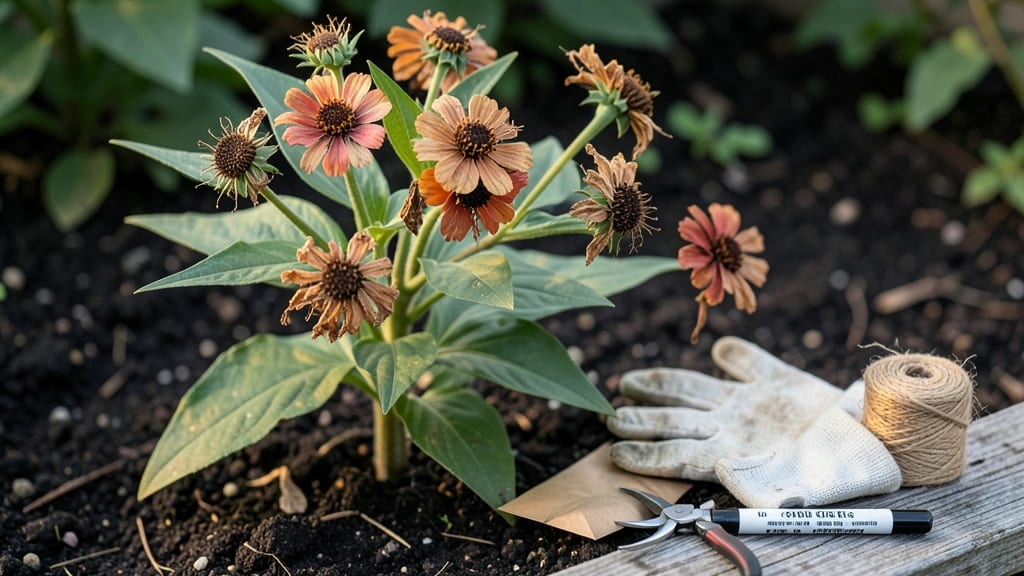
Zinnia seed collection is like unlocking a free pass to next year’s garden. ✨ The secret lies in harvesting at the right moment—when the flower heads turn brown and papery, but before they scatter seeds everywhere. I’ve collected seeds from my garden for three years now, and the best varieties always come back stronger than store-bought ones.
You’ll need just a few simple tools: clean scissors, paper bags for drying, and a cool, dark spot for storage. The key is patience—rushing the drying process leads to moldy seeds, while letting them dry too long risks losing viability.
Once properly dried, store them in an airtight container where they’ll stay fresh for up to 3 years.
What you’ll end up with are seeds that grow into plants just like their parents—sometimes even more vibrant. No more guessing which zinnia colors will thrive in your garden; you’ll have the exact varieties you love, ready to bloom again next summer.
Plus, it’s a sustainable way to reduce waste and save money.
Even if you’ve never saved seeds before, zinnias are one of the easiest flowers to work with. Just watch for pests like aphids during harvest and avoid damp conditions to keep your seeds healthy. Ready to turn this year’s blooms into next year’s plants?
📚 In This Guide
- What you need
- Instructions
- Tips and common mistakes
- Wrapping up and next steps
What you need
- ● Mature zinnia plants: Choose healthy, fully bloomed zinnias (preferably Zinnia elegans) with seed heads that have turned brown and dried.
- ● Sharp scissors or pruning shears: A pair for cleanly cutting seed heads without damaging the stems.
- ● Paper bags (brown lunch-size): 1-2 bags per plant to collect seeds and allow airflow.
- ● Drying surface: A clean, dry tray, screen, or mesh bag to spread seeds for drying.
- ○ Air-tight storage containers: Small jars, envelopes, or resealable bags with silica gel packets (optional but helpful).
- ● Permanent marker or labels: To mark containers with the plant variety and collection date.
- ● Seed drying rack or mesh screen: Speeds up the drying process.
- ● Desiccant packets: Reduces moisture in storage containers.
- ● Fine-mesh sieve or sifter: Separates seeds from chaff for cleaner storage.
- ● Humidity monitor: Ensures seeds stay dry (ideal: <30% humidity).
- ● Freezer-safe bags: For long-term storage (seeds can last 2-4 years!).
Step-by-step guide to collecting zinnia seeds for next season
Here's how I save seeds from my favorite zinnias year after year—simple, reliable, and ready for planting.
🌱 Step 1: Select the Healthiest, Strongest Blooms
Wait until the first frost blackens the foliage but leaves the seed heads intact. The best seeds come from plants that thrived all season—look for the ones with the most blooms and sturdiest stems. I avoid flowers that showed signs of disease or pest damage, as those traits can carry over.
Use clean, sharp scissors or pruners to snip the seed heads when they're completely dry but still attached to the stems. You'll know they're ready when the petals have fallen away naturally and the center turns from green to brown. Handle them gently to avoid crushing the seed pods inside.
🪴 Step 2: Dry the Seed Heads Properly
Lay the harvested seed heads on a clean, dry surface in a single layer. I use an old window screen or a piece of cardboard to allow airflow on all sides. Place them in a warm, dry spot—70-75°F works perfectly—out of direct sunlight to prevent overheating.
Let them dry for 2-3 weeks, flipping them occasionally to ensure even drying. You'll know they're ready when the seed pods rattle when shaken—that sound means the seeds inside are fully mature and loose. If any pods still feel damp or sticky, give them another week.
✂️ Step 3: Extract and Clean the Seeds
Once fully dry, place each seed head in a paper bag and gently squeeze or rub the pods between your fingers. The seeds will spill out while the chaff and debris stay behind. I do this over a clean sheet of white paper to make spotting the seeds easier—they're small, flat, and dark brown to black.
Sift the seeds through a fine-mesh strainer to remove any remaining chaff or plant debris. Store the seeds in a small envelope or airtight container, labeling it with the variety name and the year. Zinnia seeds stay viable for 2-3 years if stored properly, so no need to rush planting them right away.
💧 Step 4: Store Seeds for Long-Term Viability
Place the labeled container in a cool, dark spot—40-50°F is ideal. I keep mine in the back of my freezer or inside a sealed jar in the pantry. The key is maintaining low humidity; any moisture will encourage mold or rot.
Check the seeds once a year to ensure the container hasn't leaked or absorbed moisture. If you stored them in an envelope, transfer them to a small glass jar with a tight lid for better long-term protection. Next spring, you'll have fresh, germination-ready seeds without buying new ones.
Tips & tricks for perfect zinnia seed preservation
Here's what nobody tells you about saving zinnia seeds that actually works—no guesswork involved.
Timing is Everything: The first frost is your signal to act, but don't rush it. Wait until the foliage is completely blackened while keeping the seed heads intact. I've learned the hard way that harvesting too early means immature seeds that won't germinate. Look for that telltale brown center—it's your cue that nature's done its job and the seeds are ready.
Drying Strategy: Those 2-3 weeks of drying at 70-75°F might feel like forever, but patience pays off. I've tried speeding it up with heat lamps, but that risks overheating and losing viability. Instead, place your seed heads in a warm, dry spot with good airflow—like a sunny windowsill with a fan blowing gently. The key is consistency: check for that signature rattle every few days, and you'll know they're ready when the pods feel light and papery.
Storage Secrets: The 40-50°F storage temperature isn't just a suggestion—it's critical for long-term viability. I keep my seeds in the back of my freezer where it stays consistently cold and dark. If you're using a pantry, place them in a sealed jar with a packet of silica gel to absorb any moisture. Trust me on this: I've had seeds last 5 years this way, though they're still best within 2-3 years for maximum germination rates.
Pro Tips for Zinnia Seed Collection
- Here's what nobody tells you about saving zinnia seeds that actually works—no guesswork involved.
- Timing is Everything: The first frost is your signal to act, but don't rush it.
- Drying Strategy: Those 2-3 weeks of drying at 70-75°F might feel like forever, but patience pays off.
Frequently asked questions
Got questions about collecting and storing zinnia seeds? Here are some of the most common ones—and their answers—to help you prep for next year’s garden!
When is the best time to collect zinnia seeds?
Collect zinnia seeds in late summer to early fall, after the blooms have dried on the plant and turned brown. Wait until the seed heads are crispy and easily crumble between your fingers—usually 4-6 weeks after flowering. Harvesting too early risks dampness, which can cause mold.
How do I know if my zinnia seeds are mature enough to collect?
Mature zinnia seeds are enclosed in papery, brown seed heads that split open when touched. Gently squeeze a seed head—if it releases tiny, black or dark brown seeds, they’re ready! Avoid collecting seeds from heads that are still green or moist, as they won’t store well.
Can I store zinnia seeds in paper envelopes, or do I need something special?
Paper envelopes work great for short-term storage (up to 1 year), but for long-term viability (3+ years), use airtight containers like glass jars or resealable plastic bags with silica gel packets. Label each container with the variety and date to avoid confusion!
What should I do if my stored zinnia seeds get moldy or damp?
If seeds develop mold, spread them out on a paper towel in a dry, well-ventilated area for 24-48 hours to dry completely. Discard any seeds that smell musty or look slimy. For future storage, keep seeds in a cool, dark place (below 40°F if possible) with a desiccant to prevent moisture buildup.
Will hybrid zinnias produce true-to-type seeds?
Most hybrid zinnias (like ‘Benary’s Giant’ or ‘Profusion’) won’t grow true to their parent plant. For consistent blooms, save seeds from heirloom or open-pollinated varieties. If you’re unsure, start fresh with store-bought seeds or ask a local nursery for reliable options!
Wrapping up and next steps
Collecting and storing zinnia seeds is a simple yet rewarding way to ensure a vibrant garden next season! By following these steps—drying, cleaning, and storing—you’ll preserve seeds that are easy to germinate and packed with potential.
Whether you’re a seasoned gardener or just starting out, your efforts will pay off with bold, colorful blooms year after year. 🌻
Ready to take the next step? Label your seed packets with the variety and date, then share your newfound skills with fellow gardeners. Happy growing—and here’s to a garden full of homegrown beauty! 🌱